



What's Happening?
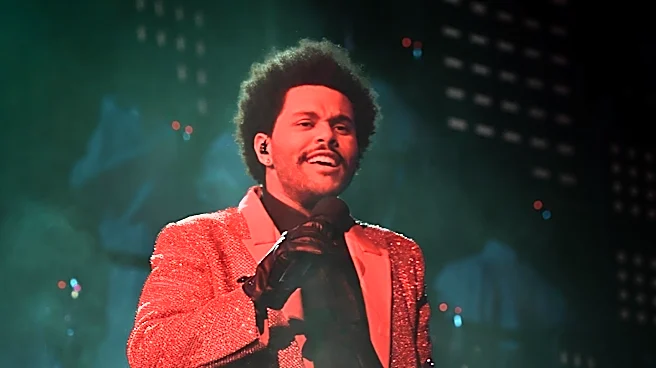
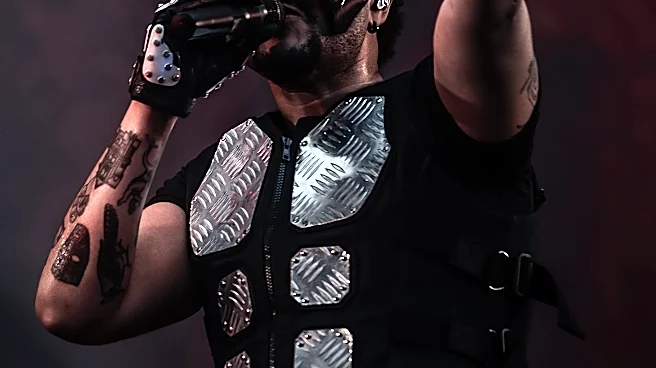
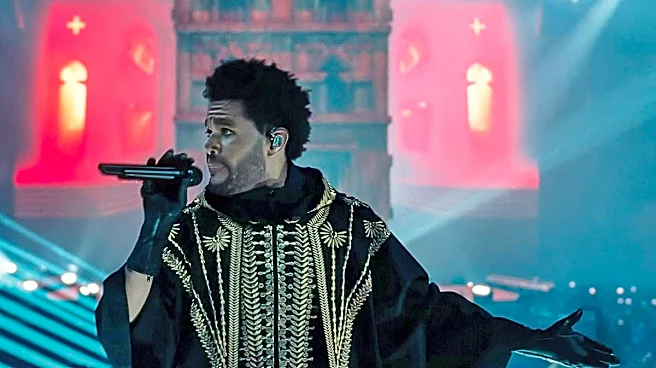
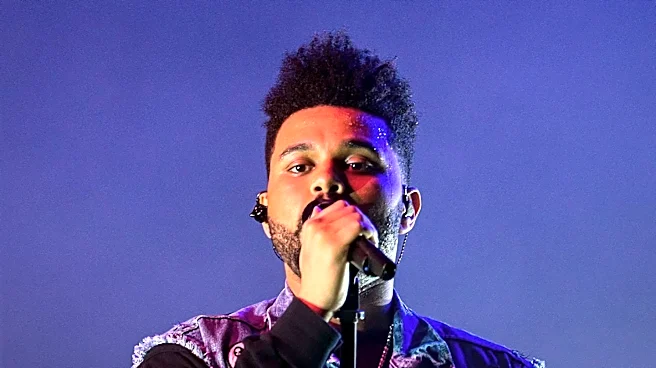
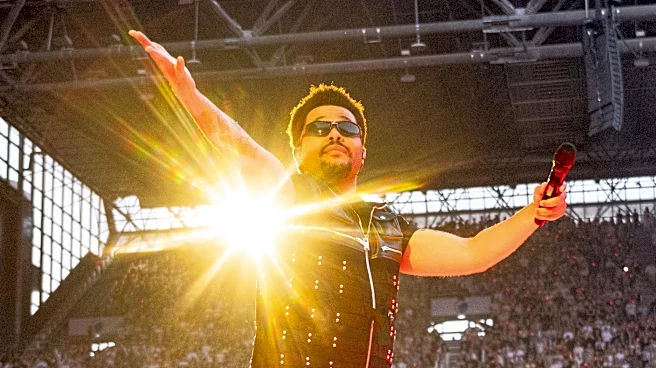
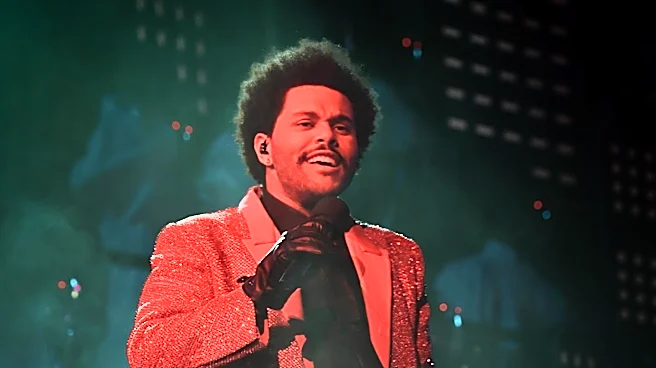
The Weeknd's 'After Hours Til Dawn Tour' has concluded, setting a new record as the highest-grossing tour by a solo male artist in history, with total ticket sales exceeding $1.3 billion. The tour sold over nine million tickets across 176 shows in 67
cities, 30 countries, and five continents. This achievement places The Weeknd's tour third on the all-time list of highest-grossing tours, behind Taylor Swift's Eras Tour and Coldplay's Music of the Spheres tour. The tour surpassed Elton John's 'Farewell Yellow Brick Road' tour, which previously held the record for solo male artists with over $939 million in sales. The Weeknd also set multiple venue records, including becoming the first act to perform six shows at Stade de France during a single tour, playing seven shows at Los Angeles' SoFi Stadium for the most performances and highest gross by a male artist, and six nights at Toronto's Rogers Centre, the most by a male solo artist at that venue during one tour. The tour also raised $8.5 million for the XO Humanitarian Fund and Global Citizen, including $3 million this year for the United Nations World Food Programme.
Why It's Important?
This record-breaking tour highlights the immense global appeal and commercial power of The Weeknd as an artist. Surpassing established legends like Elton John underscores a significant shift in the music industry's touring landscape, demonstrating the ability of contemporary artists to generate unprecedented revenue through live performances. The tour's success also reflects the strong demand for large-scale stadium shows, indicating a robust market for live music experiences post-pandemic. For the music industry, this sets a new benchmark for touring revenue, potentially influencing how future tours are planned, marketed, and scaled. The substantial charitable contributions made through the tour also showcase a growing trend of artists leveraging their platforms for humanitarian causes, integrating social responsibility into major commercial ventures. This success could encourage other artists and promoters to aim for similar scales of production and global reach, further solidifying the economic importance of live music in the entertainment sector.
What's Next?
The monumental success of The Weeknd's 'After Hours Til Dawn Tour' is likely to influence future touring strategies for major artists. Other musicians and their management teams may analyze the tour's operational and marketing approaches to replicate its global reach and financial success. This could lead to an increase in ambitious, multi-continental stadium tours designed to maximize revenue and audience engagement. Promoters and venues will likely seek to host more large-scale events, anticipating continued high demand for such spectacles. The charitable component of the tour might also inspire more artists to integrate significant philanthropic efforts into their tours, potentially setting a new standard for corporate social responsibility within the music industry. Furthermore, The Weeknd's elevated status as a top-tier touring act could lead to increased leverage in future negotiations for endorsements, collaborations, and other ventures, solidifying his position as one of the most influential figures in contemporary music.
Beyond the Headlines
The 'After Hours Til Dawn Tour's' record-breaking success extends beyond mere financial figures, signaling broader cultural and economic shifts within the entertainment industry. It underscores the enduring power of live music as a communal experience in an increasingly digital world, demonstrating that fans are willing to invest significantly in large-scale, immersive performances. This trend could lead to further innovation in concert production, with artists and designers pushing boundaries to create more elaborate and technologically advanced shows. The tour's global reach also highlights the interconnectedness of the modern music market, where artists can cultivate massive fan bases across diverse continents. This success could also influence how streaming platforms and record labels view the value of touring, potentially leading to new models that better integrate live performance revenue with digital consumption. Ethically, the substantial humanitarian contributions set a precedent for how global tours can be leveraged for social good, encouraging a more conscious approach to large-scale commercial endeavors in the arts.