
What's Happening?
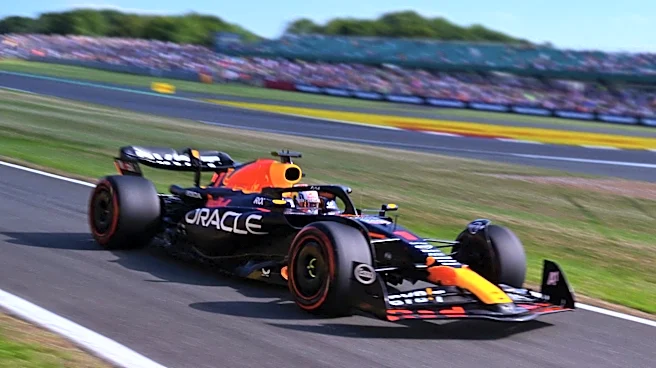
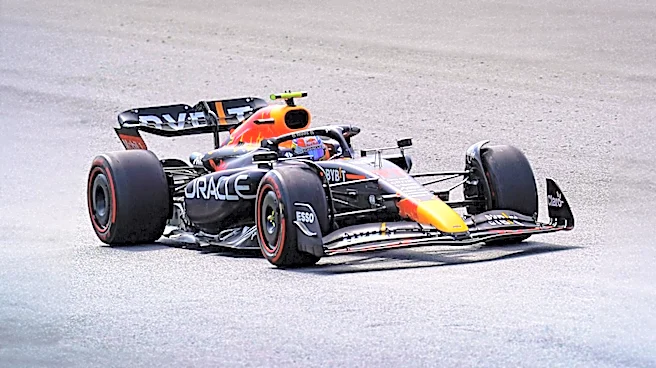
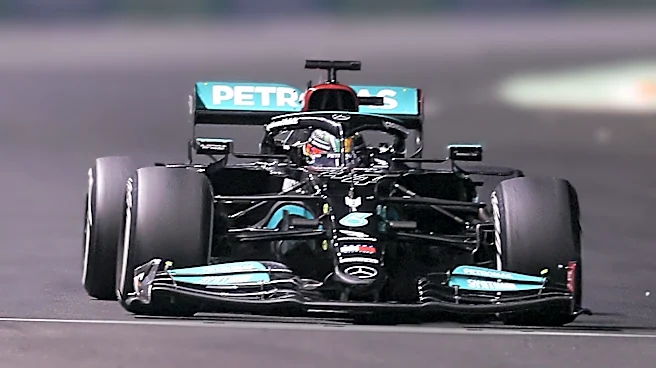
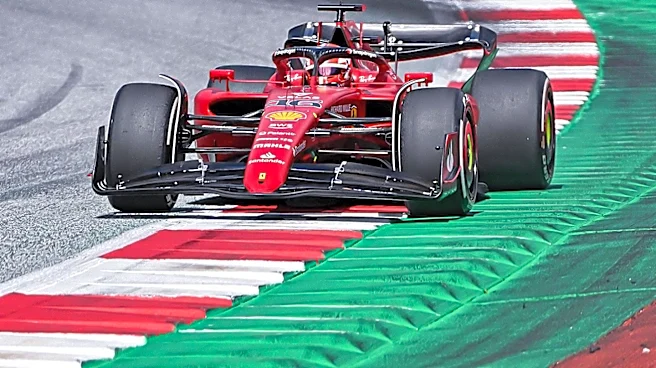
Red Bull Racing has experienced a challenging start to the 2026 Formula 1 season, with technical director Pierre Waché attributing the slow performance to two main factors. Firstly, rival teams like Mercedes and Ferrari made significant advancements over
the winter, leaving Red Bull behind. Secondly, the team's focus on the 2025 championship battle, which extended to the final race, impacted their preparation for the new season. The RB22 car faced reliability issues, resulting in two DNFs in the first three races. Despite these setbacks, Red Bull has made progress, introducing a major aerodynamic and weight-reduction upgrade at the Miami Grand Prix, which improved their performance. Currently, Red Bull is fourth in the constructors' standings, trailing behind Mercedes and Ferrari.
Why It's Important?
The performance of Red Bull Racing is crucial in the competitive landscape of Formula 1, as it impacts the team's standing and financial prospects. The slow start to the season highlights the challenges of balancing development and competition, especially when rival teams make significant strides. Red Bull's ability to adapt and improve mid-season demonstrates resilience, but the gap to the leaders underscores the importance of strategic planning and resource allocation. The team's progress is vital for maintaining its reputation and competitiveness in the sport, influencing sponsorships, fan engagement, and overall brand value.
What's Next?
Red Bull Racing is expected to continue refining their car and strategy to close the gap with the leading teams. The focus will likely be on further technical improvements and optimizing race strategies to enhance performance. The team's ability to adapt to the evolving competitive environment will be critical in determining their success in the remainder of the season. Stakeholders, including sponsors and fans, will be closely monitoring Red Bull's progress and response to the challenges faced.