








What's Happening?
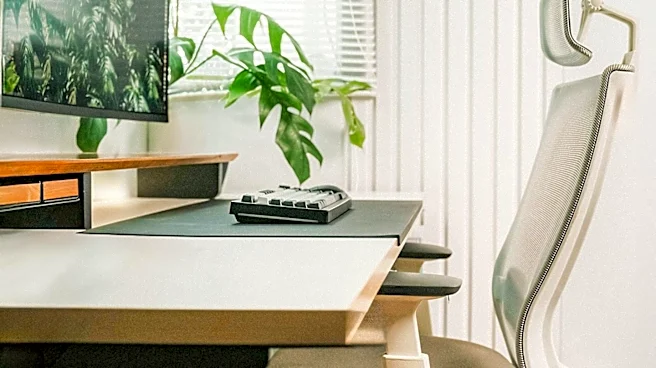
A comprehensive guide for setting up a home office highlights key elements for comfort and productivity. The guide recommends positioning a desk side-on to a window to leverage natural light without glare, ensuring proper lighting throughout the day.
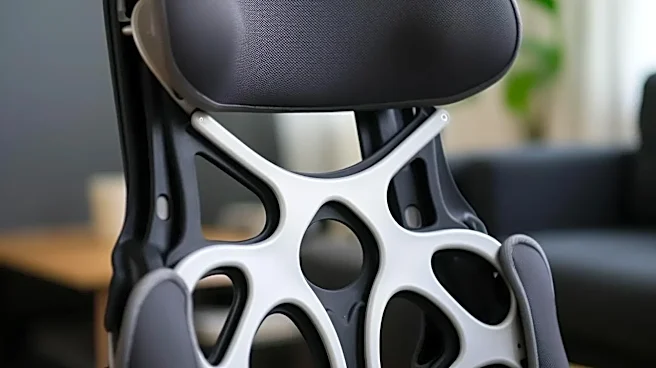
It stresses the importance of an adjustable chair with features like height, seat depth, and lower-back support, as users spend significant time seated. For desk ergonomics, the guide advises positioning the keyboard at elbow height and the screen an arm's length away, with the top at or slightly below eye level. It also suggests using a separate keyboard and raising laptops on a stand for better posture. The guide further details a three-layer lighting approach: a task lamp for the work surface, ambient light for the room, and accent lighting for versatility. Maintaining a clear desk with designated storage for items and adding personal touches are also recommended to create a pleasant and efficient workspace.
Why It's Important?
The increasing prevalence of remote work in the U.S. makes optimized home office setups crucial for employee well-being and productivity. Poor ergonomics can lead to musculoskeletal issues, eye strain, and decreased efficiency, impacting individual health and potentially increasing healthcare costs for employers. By providing clear guidelines on chair selection, desk arrangement, and lighting, this guide helps individuals create healthier work environments. This is particularly important for the U.S. workforce, where many continue to work from home or in hybrid models. Businesses can benefit from employees who are more comfortable and productive, potentially reducing sick days and improving overall output. The emphasis on a pleasant and organized workspace also contributes to mental well-being, which is a significant factor in sustained work performance.
What's Next?
As remote and hybrid work models continue to evolve, the demand for ergonomic and well-designed home office solutions is likely to grow. Manufacturers of office furniture and lighting will likely continue to innovate, offering more customizable and health-conscious products. Employers may also increasingly provide resources or stipends for employees to optimize their home office setups, recognizing the direct link between a comfortable workspace and employee productivity and retention. Educational initiatives on ergonomic best practices for home offices could become more widespread, potentially integrated into corporate wellness programs. Furthermore, the market for smart home office technology, such as automated lighting and adjustable desks, is expected to expand, offering more integrated solutions for a seamless work experience.
Beyond the Headlines
The shift towards optimized home office environments reflects a broader cultural and economic transformation in how Americans work. Beyond physical comfort, a well-designed home office can blur the lines between work and personal life in a positive way, fostering a sense of control and personalization that traditional offices often lack. This trend also highlights the growing importance of individual agency in shaping one's work environment, moving away from a one-size-fits-all approach. The emphasis on natural light and personal touches speaks to a desire for more human-centric design in professional spaces, even within the home. This could lead to a re-evaluation of traditional office design principles, as companies seek to replicate the benefits of personalized home setups in their corporate environments to attract and retain talent.