






What's Happening?
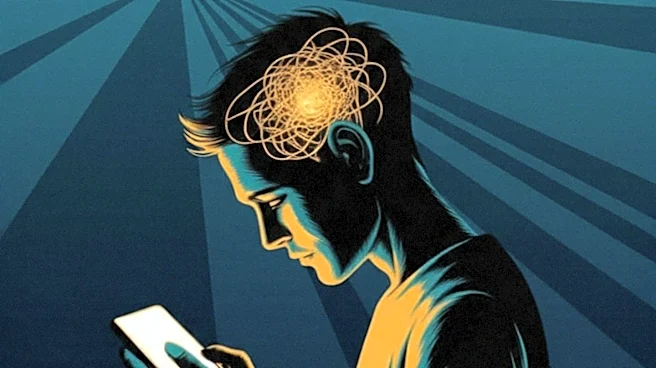
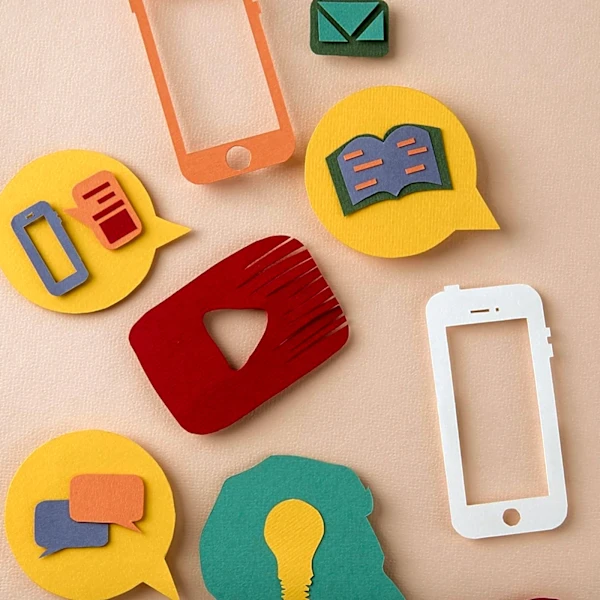
A growing trend suggests that engaging in junk journaling can serve as an effective method to counteract the negative effects of excessive 'doom scrolling' and digital malaise. Junk journaling, a creative hobby involving the assembly of various found
materials into a journal, is being highlighted as a way to cope with the existential dread often associated with constant exposure to negative online content. This practice offers an offline, tactile alternative to digital consumption, providing an outlet for expression and a break from the overwhelming influx of information. The concept aligns with a broader movement towards digital detoxes, particularly among younger generations like Gen Z, who are increasingly seeking simpler, less digitally-intensive lifestyles.
Why It's Important?
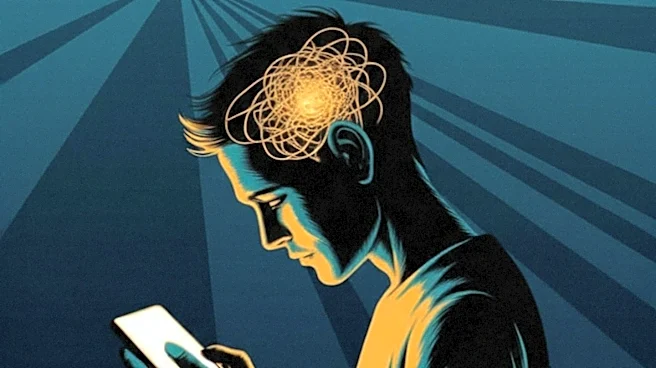
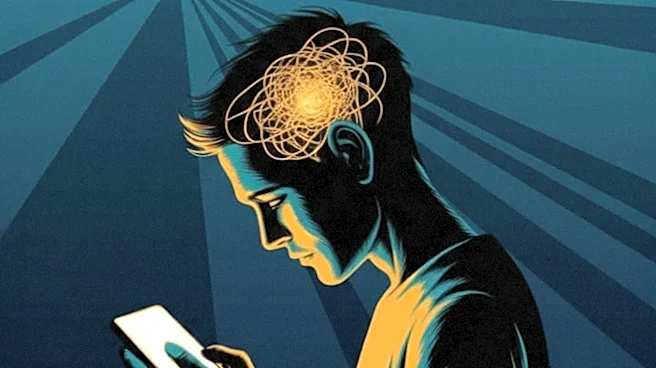
This trend is important as it reflects a societal response to the pervasive influence of digital technology and social media on mental well-being. The rise of 'doom scrolling' has led to increased anxiety and a sense of existential dread, making practices like junk journaling valuable tools for mental health. For individuals, it offers a tangible method to disengage from harmful online habits and foster creativity. For the broader society, it signals a potential shift in how people manage their digital consumption and seek balance in an increasingly connected world. The renewed interest in offline activities and digital detoxes could influence technology companies to consider the mental health impacts of their platforms and encourage the development of more mindful digital experiences.
What's Next?
As awareness of digital well-being grows, it is likely that more individuals and communities will explore and adopt practices like junk journaling. This could lead to an increase in workshops, online communities, and resources dedicated to creative, offline hobbies. Technology companies might also face pressure to integrate features that promote digital detoxes or offer tools to mitigate the negative effects of excessive screen time. Educational institutions and mental health organizations may also incorporate such practices into their programs to help individuals, especially younger demographics, develop healthier relationships with technology. The trend could also spur innovation in the creation of physical products and services that support digital disengagement and creative expression.
Beyond the Headlines
The emergence of 'doom detoxing' through activities like junk journaling points to deeper cultural and psychological shifts. It highlights a collective yearning for authenticity and tangible experiences in an era dominated by virtual interactions. This movement challenges the notion that constant connectivity equates to well-being, suggesting a re-evaluation of our relationship with technology. Ethically, it raises questions about the responsibility of social media platforms to design environments that do not inadvertently foster anxiety and dread. Culturally, it could lead to a resurgence of traditional crafts and hobbies, emphasizing the value of manual creation and personal reflection over passive digital consumption. This shift could ultimately contribute to a more balanced and resilient society, less susceptible to the negative psychological impacts of the digital age.