
What's Happening?
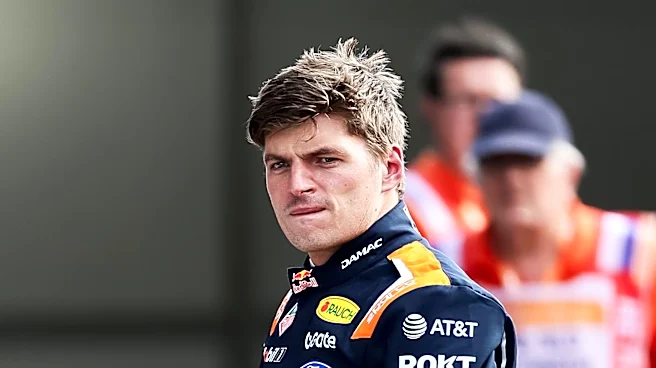
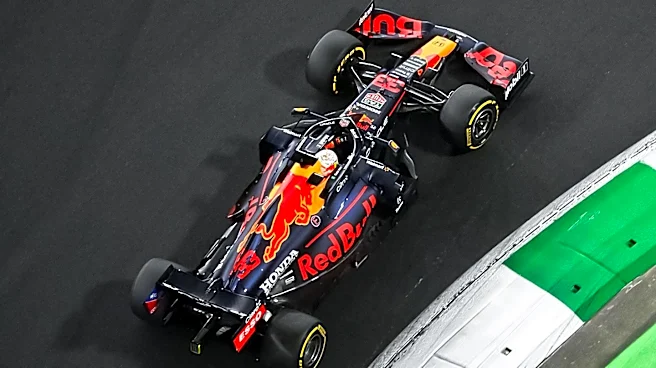
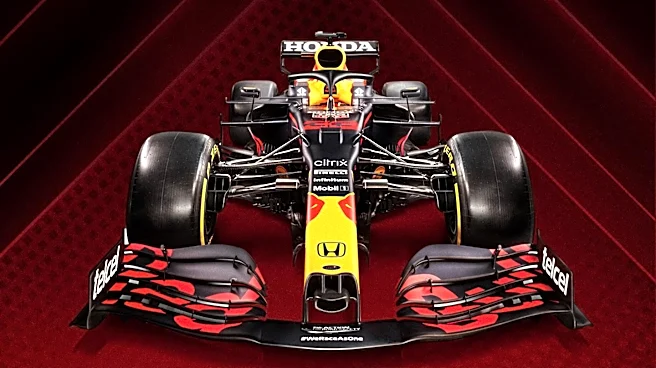
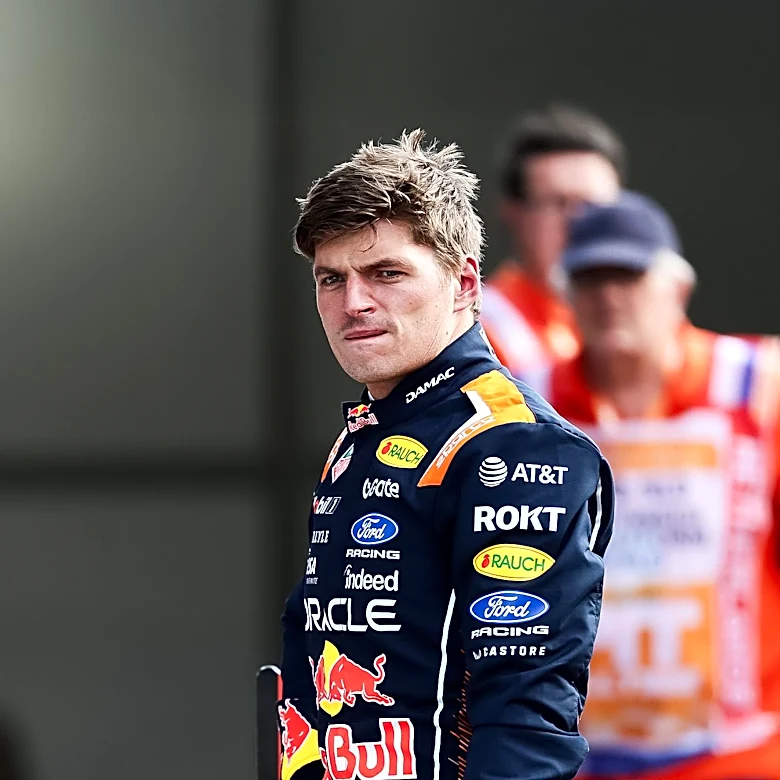
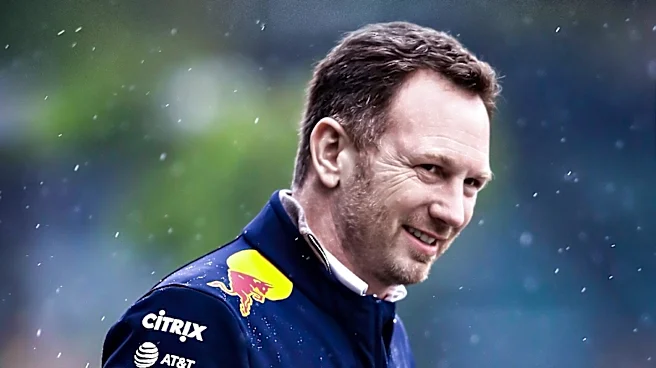
Christian Horner, former Red Bull Racing CEO and team principal, has disclosed that Max Verstappen's management team intervened during the 2022 season to reshape the development of the RB18 car. Initially, the 2022 chassis was designed with a more balanced
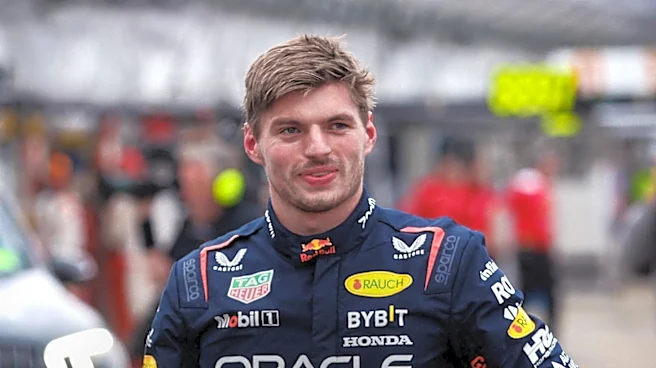
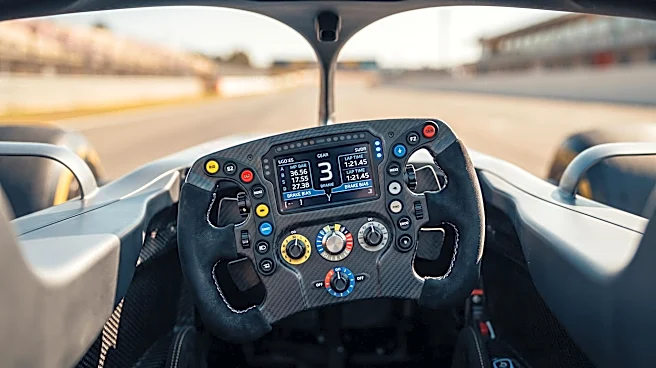
and predictable driving style in mind, largely influenced by then-reserve driver Alex Albon's simulator work. This design initially favored Sergio Perez's driving style, leading to a close performance battle between him and Verstappen at the start of the season. However, Verstappen's management expressed concerns around the Azerbaijan Grand Prix, arguing that the car needed to be developed to suit Verstappen's preferences for a sharper, more responsive front end and less understeer. Red Bull's engineering department subsequently shifted its development path to prioritize Verstappen's demands, recognizing him as the team's 'prime asset' with the highest performance ceiling.
Why It's Important?
This revelation by Christian Horner highlights the significant influence top drivers and their management can exert on a Formula 1 team's technical direction. The decision to pivot the RB18's development to suit Max Verstappen's specific driving style had profound implications for the team's performance and the internal dynamic between its drivers. While it ultimately led to Verstappen's dominant championship victory, it also created a substantial performance delta between him and Sergio Perez, who struggled to adapt to the car's new characteristics. This scenario underscores the strategic importance of driver feedback in car development and the team's prioritization of its lead driver's needs to maximize championship potential. It also sheds light on the internal politics and decision-making processes within a top-tier F1 team, where the pursuit of ultimate performance can dictate engineering choices.
What's Next?
The insights from Christian Horner's account offer a retrospective understanding of Red Bull's 2022 season and the factors that contributed to Max Verstappen's championship success. While this specific event is in the past, it sets a precedent for how Red Bull, and potentially other F1 teams, might approach car development in the future, particularly when balancing the needs of multiple drivers. The emphasis on tailoring a car to its 'prime asset' suggests that teams will continue to prioritize the driver deemed most likely to deliver championship titles. This approach could further entrench the role of star drivers in influencing technical specifications and development trajectories, potentially leading to cars that are highly optimized for a single driving style, which could impact teammate performance and team dynamics.
Beyond the Headlines
The story of Red Bull's 2022 car development, influenced by Max Verstappen's management, touches upon the ethical and competitive considerations within Formula 1. While prioritizing the fastest driver for championship success is a common strategy, it raises questions about fairness and equal opportunity within a team. The shift in development away from a more balanced car, which initially suited Sergio Perez, illustrates how team resources and engineering efforts can be concentrated to maximize the potential of one driver. This practice, while effective for winning championships, can create a challenging environment for the second driver and potentially limit their ability to perform at their peak. It also highlights the intense pressure on team principals to make decisions that balance individual driver aspirations with overall team objectives and championship ambitions.