






What's Happening?
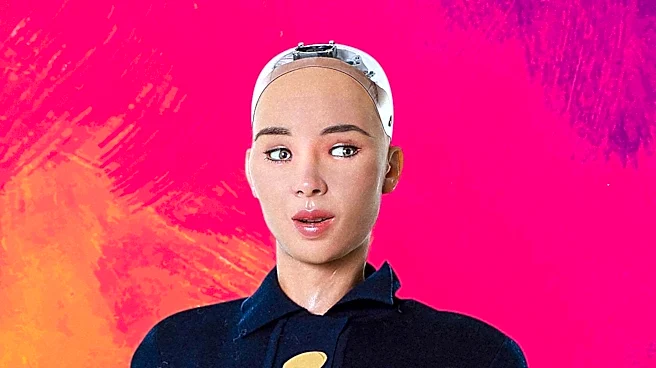
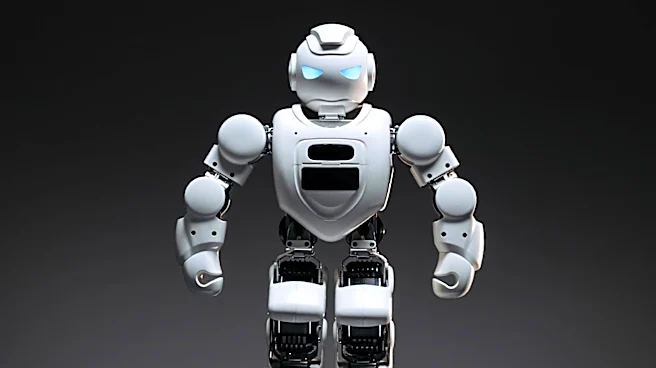
BYD, a Chinese electric vehicle manufacturer, is entering the humanoid robotics market, aiming to integrate humanoid robots into car showrooms. Stella Li, BYD's executive vice president, announced the company's plans to develop humanoid robots that can
assist in selling cars by demonstrating features and interacting with customers. This move positions BYD against competitors like Tesla, which is also developing its own humanoid robot, Optimus. The global market for humanoid robots is projected to grow significantly, from $3 billion in 2025 to $28 billion by 2030. Currently, Chinese companies dominate the market, accounting for over 80% of humanoid robot shipments. BYD's strategy includes developing more efficient energy systems and AI to make home robots a reality.
Why It's Important?
The introduction of humanoid robots in car showrooms could transform the automotive retail experience, offering a novel way to engage customers and potentially increase sales. This development highlights the growing intersection of robotics and consumer industries, where automation and AI are becoming integral to business operations. For BYD, this move could enhance its competitive edge against rivals like Tesla, which is also investing heavily in robotics. The broader impact on the U.S. market includes potential shifts in employment dynamics within the retail sector, as robots could take on roles traditionally held by human salespeople. Additionally, the rapid growth of the humanoid robotics market underscores the increasing importance of AI and robotics in global economic strategies.
What's Next?
BYD plans to continue developing its humanoid robots, with the goal of deploying them in showrooms within the next one to two years. The company is also investing in industrial robots and exploring the concept of 'dark factories,' where manufacturing is entirely automated. As the technology advances, BYD may face regulatory challenges and public scrutiny regarding the ethical implications of replacing human workers with robots. The success of this initiative could influence other industries to adopt similar technologies, further integrating robotics into everyday business practices.