




What's Happening?
The horror film genre has reached a significant milestone in 2026, accumulating $2.5 billion at the worldwide box office so far. This figure represents an 8% increase from the previous year's $2.3 billion. A substantial portion of this success, specifically
half of the total, is attributed to Blumhouse Atomic, the merged entity of Blumhouse Productions and Atomic Monster. Key contributors to this year's box office success include independent horror films like Curry Barker’s 'Obsession,' which grossed $524 million, and Kane Parsons’ 'Backrooms,' earning $400 million. Other major hits include 'Resident Evil' ($419 million), 'Scary Movie' ($231 million), 'Scream 7' ($207 million), 'Insidious: Out of the Further' ($171 million), 'Clayface' ($126 million), and 'Other Mommy' ($120 million). This performance highlights a growing mainstream acceptance of horror films, with admissions in the genre seeing a 7% uptick over 2025, contrasting sharply with other genres like romantic comedies, which experienced a 78% decline.
Why It's Important?
The robust performance of the horror genre in 2026 signals a significant shift in audience preferences and market dynamics within the film industry. The genre's ability to attract substantial box office revenue, particularly with independent productions outperforming studio horror in some instances, indicates a broader acceptance among mainstream audiences. This trend is crucial for filmmakers and studios, as it demonstrates the commercial viability of horror beyond its traditional niche. The success of Blumhouse Atomic, accounting for half of the genre's total earnings, solidifies its position as a dominant force in horror production and distribution. Furthermore, the data suggesting that 50% of Gen Zers prefer watching movies in theaters underscores the importance of the theatrical experience for this demographic, especially for participatory genres like horror. This could influence future investment strategies and production choices across the entertainment sector, potentially leading to more diverse horror content and increased theatrical releases for such films.
What's Next?
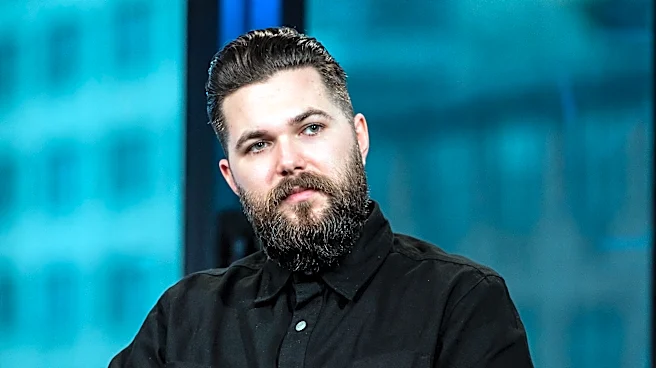
The continued success of the horror genre is likely to influence upcoming film production and release strategies. With a major release like Robert Eggers-directed werewolf movie 'Werwulf' slated for Christmas Day, the genre's 2026 box office total is expected to climb further. If 'Werwulf' performs similarly to Eggers' previous horror film 'Nosferatu,' it could add another $100+ million to the current figures. This sustained momentum may encourage more studios and independent producers to invest in horror projects, potentially leading to a surge in new horror content in the coming years. The industry will likely observe how this trend impacts other genres and overall theatrical attendance, especially as younger audiences continue to show a preference for in-theater experiences for horror films. This could also lead to increased competition within the horror space, pushing creators to innovate and deliver diverse sub-genres to maintain audience engagement.
Beyond the Headlines
The resurgence of horror films in mainstream cinema reflects a deeper cultural shift in how audiences perceive and engage with the genre. James Wan noted that horror no longer carries the same stigma it once did with younger generations, indicating a broader cultural acceptance. Jason Blum further emphasized the participatory nature of horror, likening it to sporting or concert events, which suggests that the communal experience of watching horror in theaters is a significant draw. This phenomenon could be a response to the increasing digitalization of entertainment, where the shared, visceral experience of horror offers a unique appeal that at-home viewing cannot fully replicate. The success of indie horror films also points to a potential democratization of the genre, allowing diverse voices and innovative storytelling to reach wider audiences. This could foster a more experimental and varied landscape for horror cinema, moving beyond traditional studio formulas and embracing new narrative approaches and production styles.