




What's Happening?
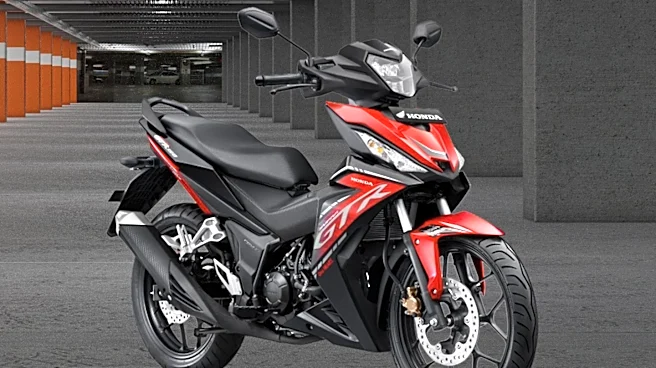
Bangladesh Honda Private Limited (BHL) has commenced exporting its locally manufactured Honda NX200 motorcycles to Mexico, marking a significant milestone for Bangladesh's manufacturing sector. This follows the model's international debut with exports
to Guatemala. The Honda NX200 is produced at BHL's facility in Gazaria, Munshiganj, a joint venture between Honda Motor Co., Ltd. of Japan and the Bangladesh Steel and Engineering Corporation (BSEC). The export ceremony was attended by Dr. Md. Sakirul Islam Khan, Special Assistant to the Prime Minister, and Umme Hafsa Nadia, Upazila Nirbahi Officer (UNO) of Gazaria. Susumu Morisawa, Managing Director and CEO of BHL, stated that this export demonstrates the capability of Bangladesh-made motorcycles to meet Honda's global quality standards. Shah Muhammad Ashequr Rahman, Chief Marketing Officer of BHL, emphasized that this achievement is a crucial step towards establishing Bangladesh as a competitive global manufacturing and export hub for motorcycles.
Why It's Important?
This development is highly significant for Bangladesh's industrial landscape and its position in the global manufacturing supply chain. The export of locally produced motorcycles to a competitive market like Mexico signals growing international confidence in Bangladesh's manufacturing capabilities, product quality, and industrial infrastructure. For the U.S. market, while not directly importing these motorcycles, this event highlights the increasing diversification and sophistication of manufacturing in South Asia, which could influence future trade dynamics and supply chain considerations for various goods. It also demonstrates Honda's global strategy of localizing production to serve regional markets, potentially leading to more efficient and resilient supply chains worldwide. This success could encourage further foreign investment in Bangladesh's manufacturing sector, fostering economic growth and job creation.
What's Next?
Industry experts anticipate that this export milestone could pave the way for Bangladesh to export additional motorcycle models and expand into new global markets in the coming years. The success in Mexico may encourage other international brands to consider Bangladesh as a manufacturing base, further strengthening the country's export potential. For Honda, this strategy of localized production and export could be replicated in other regions, optimizing its global manufacturing footprint. The Bangladeshi government may also leverage this achievement to promote its manufacturing sector on the international stage, attracting more foreign direct investment and fostering technological transfer. Continued growth in this sector could lead to enhanced skill development and infrastructure improvements within Bangladesh.
Beyond the Headlines
The export of the Honda NX200 from Bangladesh to Mexico represents a broader trend of emerging economies becoming significant players in global manufacturing. This shift challenges traditional manufacturing hubs and highlights the potential for developing nations to produce high-quality goods for international markets. It also underscores the importance of joint ventures between international corporations and local entities in fostering industrial growth and technology transfer. Ethically, this development can contribute to economic empowerment and improved living standards in Bangladesh. Culturally, the 'Made in Bangladesh' label gaining international recognition can boost national pride and confidence in local industries. This move also reflects a strategic decentralization of manufacturing, which can enhance resilience against geopolitical and economic disruptions by diversifying production locations.