








What's Happening?
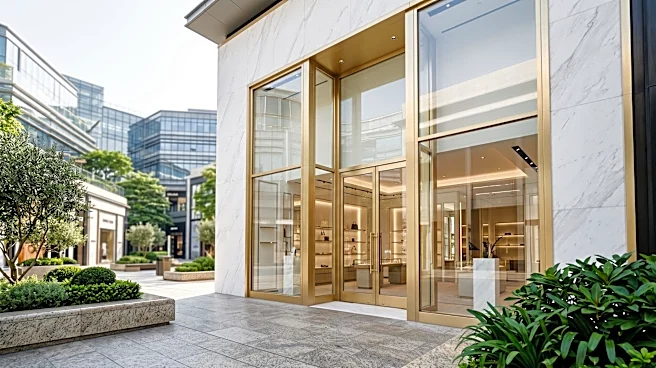
Simon Property Group Inc. (NYSE:SPG), the largest owner of malls and premium outlets in the United States and an S&P 500 member, has increased its full-year guidance. This adjustment follows a quarter characterized by robust leasing activity and growth
in funds from operations (FFO), a key metric for real estate investment trusts (REITs). The company's management cited strong leasing momentum as a primary driver for the revised outlook. While the exact numerical guidance was not fully detailed in the reviewed sources, the direction of the guidance is confirmed to be higher. Simon Property Group's business model relies on owning, developing, and managing shopping, dining, entertainment, and mixed-use destinations, generating most of its revenue from multi-year retail tenant leases. The company's portfolio is strategically weighted towards the stronger end of the market, a claim supported by its reported results.
Why It's Important?
This guidance raise by Simon Property Group is significant for the U.S. retail real estate sector, indicating resilience and potential growth despite ongoing shifts in consumer behavior and economic uncertainties. Strong leasing activity suggests that physical retail spaces, particularly premium outlets and top-tier malls, continue to attract tenants and consumers. This positive trend can bolster investor confidence in REITs and the broader real estate market. The growth in funds from operations (FFO) highlights the company's ability to generate recurring cash flow from its properties, which is crucial for its financial health and dividend payouts to shareholders. The performance of major players like Simon Property Group often serves as a bellwether for the health of the retail industry, influencing investment decisions and development strategies across the country.
What's Next?
The next major event for Simon Property Group will be its upcoming quarterly report, typically released in early November. This report will provide detailed figures on leasing momentum, occupancy rates, and FFO, offering a clearer picture of the company's performance through the summer. Market participants will closely scrutinize these results to assess whether the positive trends continue and how they translate into financial outcomes. The company's ongoing redevelopment projects, which include adding apartments, hotels, and restaurants to existing sites, will also be a focus. The success of these mixed-use developments in increasing foot traffic and diversifying revenue streams will be key to its long-term strategy. Additionally, the broader economic environment, including interest rates and consumer spending patterns, will continue to influence the company's trajectory.
Beyond the Headlines
Beyond the immediate financial implications, Simon Property Group's performance reflects a broader narrative about the evolving landscape of U.S. retail. The company's emphasis on premium outlets and mixed-use developments underscores a strategic adaptation to changing consumer preferences, where physical stores are increasingly valued for experiential shopping and convenience. This trend suggests a future where retail spaces are not just transactional but serve as community hubs offering diverse amenities. The company's ability to secure strong leases also indicates that many digitally native brands are recognizing the value of a physical presence for customer acquisition and brand building. However, challenges such as retailer bankruptcies, consumer spending uncertainty, and fluctuating borrowing costs remain pertinent, highlighting the dynamic and competitive nature of the retail real estate market.