




What's Happening?
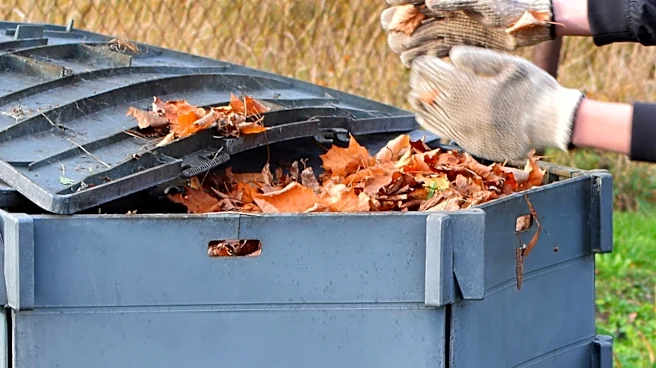
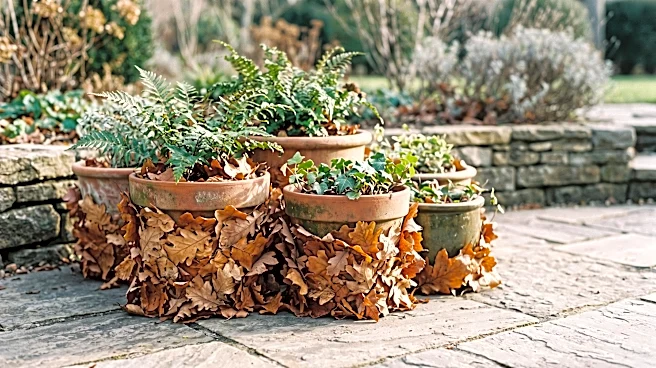
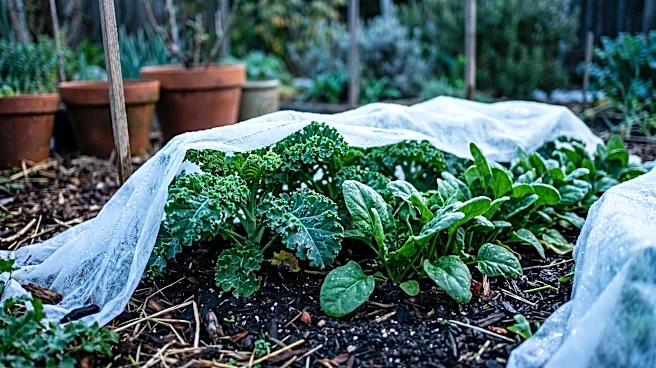
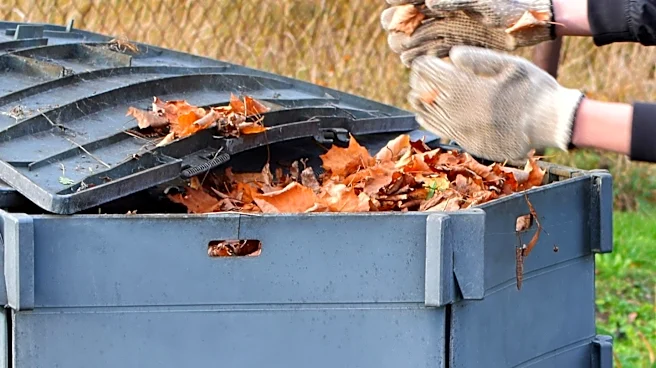
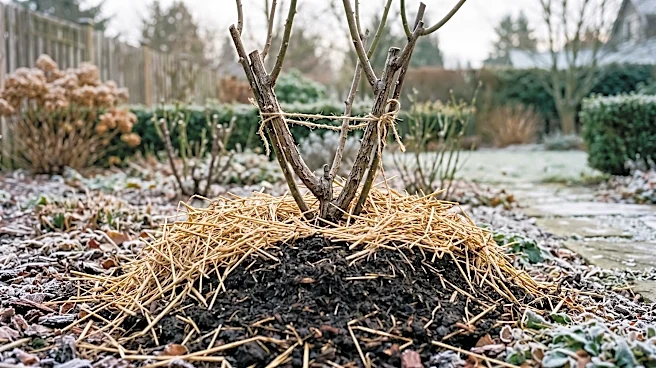
Gardeners can employ several strategies to continue composting effectively during winter months. One key tip is to prepare new compost for winter by increasing the heap's size, moistening dry materials, and covering it with a tarp or blanket to moderate
conditions. For kitchen waste, collecting scraps in animal-proof containers outside, close to the kitchen door, is recommended when the main compost bin is less accessible due to ice or snow. These collected scraps, which can include veggie trimmings, coffee grounds, and banana peels, will freeze and thaw, breaking down tough cell walls and making them faster to decompose in spring. Alternatively, small amounts of kitchen waste can be stored in leak-proof containers in the freezer. Another strategy involves enriching stressed soil with fresh, coarse compost to introduce beneficial microbes and suppress plant diseases. Cured compost can also be stored in opaque plastic containers outdoors, which can help trigger and eliminate weed seeds through light exposure and shaking.
Why It's Important?
These winter composting strategies are crucial for maintaining soil health and garden productivity year-round, even in challenging cold conditions. By continuing to process organic waste, gardeners prevent valuable nutrients from being lost and ensure a steady supply of compost for spring planting. Enriching stressed soil with fresh compost helps combat persistent garden diseases, reducing the need for chemical interventions and promoting a more organic approach to gardening. The ability to store cured compost for winter planting projects, such as starting seeds or topdressing houseplants, provides a sustainable resource that enhances plant growth and resilience. This continuous cycle of composting contributes to a healthier ecosystem within the garden, supporting beneficial microorganisms and improving overall soil structure, which is vital for long-term agricultural sustainability and food security.
What's Next?
Gardeners should assess their current composting setup and adapt it for winter conditions. This may involve acquiring suitable animal-proof containers for kitchen scraps or tarps for covering outdoor heaps. Planning for the storage of cured compost in opaque containers will also be beneficial for future planting needs. As temperatures begin to rise in spring, the collected and partially broken-down winter scraps can be integrated into the main compost heap. Monitoring the compost for moisture levels and aeration will remain important, even if decomposition slows during colder periods. Continued learning about specific plant needs and how different types of compost can address them will further enhance gardening success throughout the year.
Beyond the Headlines
The practice of winter composting highlights a broader principle of resourcefulness and resilience in the face of environmental challenges. It encourages a mindset of continuous care for the land, rather than seasonal neglect. This approach can foster a deeper understanding of natural cycles and the interconnectedness of waste, soil, and plant health. Ethically, it promotes responsible stewardship of resources and minimizes environmental impact. Culturally, it reinforces the value of sustainable living and self-sufficiency, potentially inspiring more individuals and communities to adopt similar practices. The long-term implications include more robust local food systems, reduced reliance on external inputs for agriculture, and a greater appreciation for the ecological processes that sustain life.