






What's Happening?
Kate Lyman Nutrition is promoting a shift in mindset regarding postpartum fitness, moving away from the idea of 'losing' pregnancy weight and towards an 'evolutionary' approach. This philosophy emphasizes restoration and rebuilding core stability and long-term
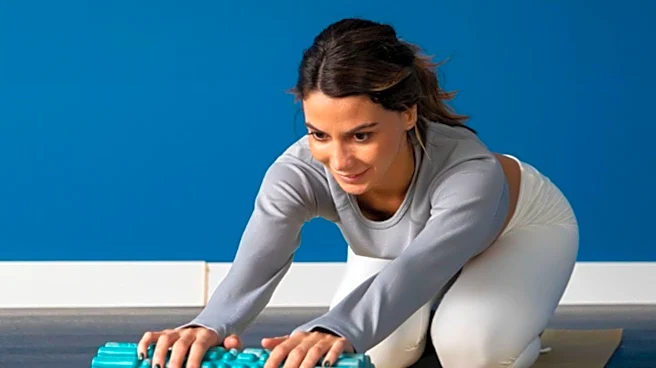
strength rather than immediate weight loss. The recommendation includes starting with simple, beginner-friendly movements designed to gently strengthen the core and support the body's recovery after childbirth. This approach acknowledges the significant physiological changes a woman's body undergoes during pregnancy and delivery, advocating for a gradual and mindful return to physical activity. The focus is on foundational strength and overall well-being, aiming to create sustainable fitness habits that support a mother's health in the long term.
Why It's Important?
This perspective from Kate Lyman Nutrition is crucial because it challenges common societal pressures and misconceptions surrounding postpartum body image and recovery. Many new mothers face immense pressure to quickly 'bounce back' to their pre-pregnancy bodies, which can lead to unsafe exercise practices and negative self-perception. By advocating for a restorative approach, Kate Lyman Nutrition promotes healthier expectations and encourages mothers to prioritize their physical recovery and long-term health. Rebuilding core stability is vital for preventing common postpartum issues like back pain and pelvic floor dysfunction. This approach empowers women to listen to their bodies, engage in safe exercise, and foster a positive relationship with their post-baby physique, ultimately contributing to better physical and mental health outcomes for mothers.
What's Next?
The emphasis on restorative postpartum fitness by Kate Lyman Nutrition is likely to influence how fitness professionals and new mothers approach post-birth exercise. We may see an increase in specialized programs and resources that align with this philosophy, focusing on core rehabilitation, pelvic floor health, and gradual strength building. There could be a greater demand for certified pre- and postnatal fitness instructors who understand the nuances of this restorative approach. Furthermore, this shift could lead to more open conversations about realistic postpartum recovery timelines and body acceptance, potentially reducing the pressure on new mothers to achieve rapid physical transformations. Educational content from nutrition and fitness experts will likely continue to highlight the benefits of this mindful and patient approach to postpartum fitness.
Beyond the Headlines
The advocacy for a restorative approach to postpartum fitness by Kate Lyman Nutrition reflects a broader cultural movement towards body positivity and holistic well-being, particularly for women. It challenges the often-unrealistic beauty standards perpetuated by media and society, which can be particularly damaging during the vulnerable postpartum period. By reframing postpartum fitness as an 'evolution' rather than a 'loss,' it encourages women to appreciate their bodies for their strength and resilience, rather than focusing on perceived imperfections. This perspective has significant implications for women's mental health, fostering self-compassion and reducing the risk of body image issues and postpartum depression. It also underscores the interconnectedness of physical and mental health, promoting a more balanced and sustainable path to wellness for mothers.