





What's Happening?
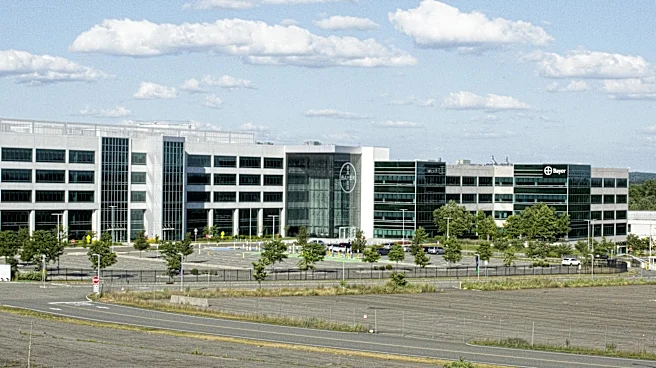
Bayer has entered into an exclusive global licensing agreement with Hansoh Pharma for HS-20122, an experimental cancer drug, with a potential value of up to $3.25 billion. This deal grants Bayer rights for the development, manufacturing, and commercialization
of the Phase 1 antibody-drug conjugate (ADC) outside of mainland China, Hong Kong, Macau, and Taiwan. Hansoh Pharma will receive an upfront payment of $150 million, with additional payments of up to $3.1 billion contingent on achieving development, regulatory, and commercial milestones, plus tiered royalties on sales. HS-20122 is a bispecific ADC designed to target both EGFR and c-MET receptors simultaneously, aiming to deliver a cytotoxic payload directly to tumor cells. This strategy is particularly focused on non-small cell lung cancer (NSCLC), which accounts for a significant majority of lung cancer cases. The agreement is subject to antitrust clearance.
Why It's Important?
This significant licensing agreement underscores Bayer's strategy to bolster its oncology pipeline through external innovation, particularly by sourcing promising candidates from China's rapidly growing biotech sector. For Bayer, HS-20122 represents a potential advancement in precision oncology, offering a novel approach to target various solid tumors more selectively. The deal also highlights the increasing role of Chinese biopharmaceutical companies as sources of innovative drugs for global markets, reflecting a broader industry trend where international drugmakers look to China to expand their pipelines and manage R&D costs. For Hansoh Pharma, this partnership validates its ADC platform and demonstrates its capability to develop drugs that can command substantial value internationally. The focus on NSCLC addresses a critical unmet medical need, potentially offering new treatment options for patients.
What's Next?
Following antitrust clearance, Bayer will take over the global development, manufacturing, and commercialization of HS-20122 in the agreed territories. As the drug is currently in Phase 1 trials, Bayer will be responsible for advancing it through subsequent clinical development stages, regulatory approvals, and eventual market launch. The success of the deal, particularly the realization of the milestone payments, will depend on the drug's performance in clinical trials and its ability to gain regulatory approval and market adoption. This partnership could pave the way for further collaborations between Bayer and other Chinese biotechs, as well as encourage more global pharmaceutical companies to explore licensing opportunities within China's innovative drug development landscape. The focus will now shift to the progression of HS-20122 through its clinical development pathway.
Beyond the Headlines
This deal signifies a deeper shift in the global pharmaceutical landscape, where China is evolving from primarily a manufacturing hub to a significant source of novel drug innovation. The substantial value of this agreement reflects the growing confidence of Western pharmaceutical giants in the scientific rigor and commercial potential of Chinese-developed therapies, particularly in complex areas like antibody-drug conjugates. This trend could lead to increased cross-border collaborations, fostering a more integrated global drug development ecosystem. Furthermore, the focus on bispecific ADCs like HS-20122 represents a cutting-edge approach in oncology, aiming for more targeted and effective cancer treatments with potentially reduced side effects. This strategic move by Bayer not only strengthens its oncology portfolio but also signals a broader industry recognition of China's emerging leadership in specific therapeutic modalities.