


What's Happening?
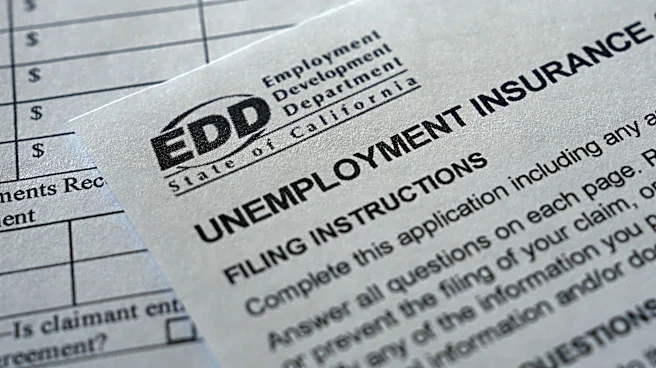
Several major companies across the United States have announced layoffs scheduled for August, as reported through Worker Adjustment and Retraining Notification (WARN) filings. These filings, required by law for companies with 100 or more employees planning
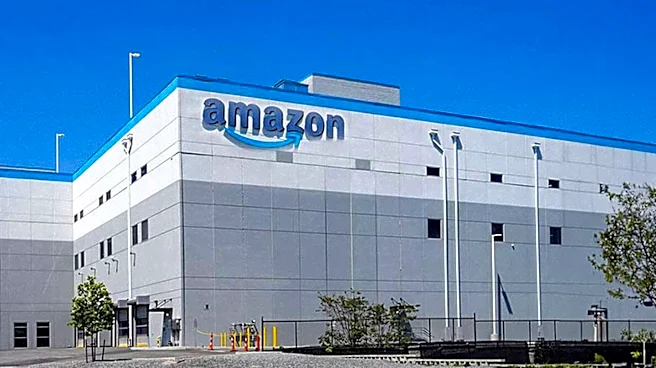
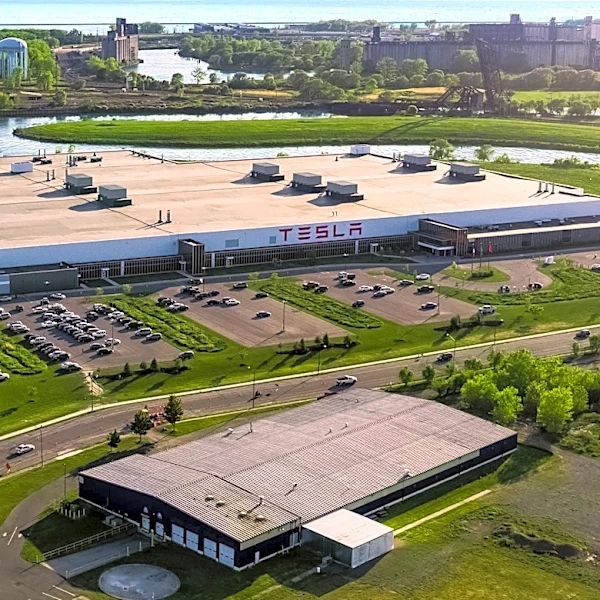
mass layoffs, indicate a new wave of job cuts affecting various sectors including technology, retail, manufacturing, and healthcare. Notable companies such as Walmart, Amazon, and NBCUniversal are among those planning workforce reductions. The layoffs range from a few employees to dozens per site, with significant impacts in locations like San Bruno and Sunnyvale, California. The filings reflect broader economic uncertainties and a shift from the rapid job market expansion seen in previous years.
Why It's Important?
The announcement of layoffs by major U.S. companies highlights ongoing economic challenges and uncertainties affecting the labor market. While the overall job market has shown resilience, the uneven distribution of employment gains across sectors suggests a shift towards a 'low-hire, low-fire' economy. This trend could lead to reduced consumer spending and impact economic growth. The WARN filings serve as an early indicator of potential economic slowdowns, prompting concerns about job security and financial stability for affected workers. The situation underscores the need for strategic workforce planning and adaptation to changing economic conditions by both employers and policymakers.
What's Next?
As layoffs continue to make headlines, the focus will shift to upcoming federal employment reports, which will provide a clearer picture of job growth and unemployment trends. These reports will be crucial in assessing whether the labor market can sustain its current levels of employment amidst ongoing layoffs. Additionally, companies may continue to restructure specific business units or locations rather than implementing companywide cuts. The economic landscape remains uncertain, with factors such as inflationary pressures and technological advancements influencing business decisions. Stakeholders will need to monitor these developments closely to mitigate potential negative impacts on the workforce and economy.