



What's Happening?
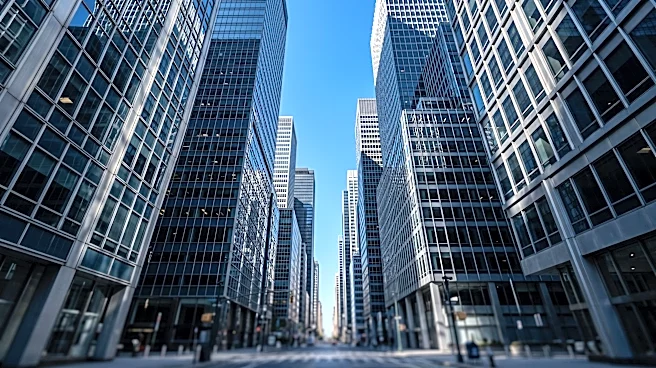
San Francisco's office market is experiencing a significant rebound, with 12.1 million square feet leased through the third quarter of 2026, marking a 49% increase over the same period last year. This surge in activity is primarily driven by artificial
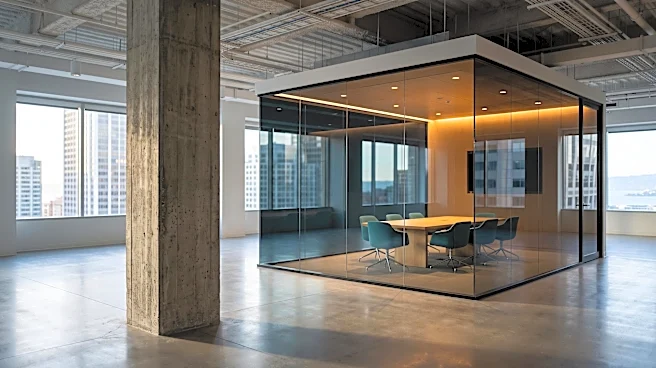
intelligence (AI) firms, which are seeking large blocks of 100,000+ square feet and luxury accommodations. The market is characterized by a clear bifurcation: Class A office buildings recorded a 12% vacancy rate in Q2, while Class B properties faced over 31% vacancy. Rents for Class A spaces command a 54% premium, indicating a strong preference for high-quality, modern office environments. Developers, such as Presidio Bay, are responding to this demand by investing heavily in repositioning older towers, like a $100 million project to transform a 1967 building into an "office resort" in the South Financial District, focusing on intrinsic attributes of older buildings that lack capital for modernization.
Why It's Important?
The robust rebound in San Francisco's office market, fueled by AI demand, highlights the city's continued role as a global technology hub. This trend is significant for the U.S. economy as it demonstrates the powerful impact of emerging technologies on commercial real estate. The stark divide between premium and obsolete assets indicates a fundamental shift in corporate real estate strategies, where companies prioritize high-quality, amenity-rich spaces to attract and retain talent, particularly in competitive sectors like AI. This creates a challenging environment for owners of older, less desirable properties, potentially leading to increased vacancies and reduced property values for those unable to invest in upgrades. Conversely, it presents substantial opportunities for developers and investors willing to modernize and innovate, driving significant capital into the Class A market. The city's exploration of adaptive reuse for obsolete office buildings also points to a potential solution for urban revitalization and addressing housing shortages.
What's Next?
The San Francisco office market is poised for continued transformation as AI demand remains strong. Developers are likely to further invest in high-end, amenity-rich office spaces, potentially leading to more repositioning projects of older buildings to meet the evolving needs of tech companies. The city of San Francisco is actively exploring adaptive reuse strategies, with Leigh Lutenski, director of development, noting tightening multifamily vacancy and limited new supply. This suggests a growing opportunity for converting obsolete office buildings into residential units, aiming to create a more mixed-use downtown and support local businesses. This strategy could help address both the high office vacancy rates in Class B properties and the pressing housing demand. The success of these adaptive reuse projects will be crucial in determining the long-term health and vibrancy of San Francisco's urban core, potentially setting a precedent for other U.S. cities facing similar challenges.
Beyond the Headlines
The phenomenon in San Francisco's office market extends beyond mere real estate trends; it reflects deeper societal and economic shifts driven by technological advancement. The concentration of AI firms in premium spaces underscores the increasing importance of collaborative and innovative environments for cutting-edge industries. This could lead to a further stratification of urban landscapes, where certain districts become highly specialized tech hubs, potentially driving up costs and exacerbating gentrification. The push for adaptive reuse also highlights a growing recognition of the need for sustainable urban development, transforming existing structures rather than constantly building anew. This approach could foster more resilient and diverse urban ecosystems, but it also raises questions about the equitable distribution of resources and the potential displacement of existing communities. The long-term success of San Francisco's strategy will depend on its ability to balance economic growth with social equity and environmental sustainability.