





What's Happening?
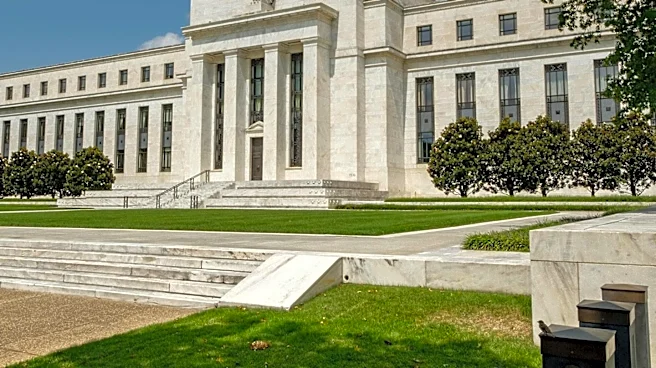
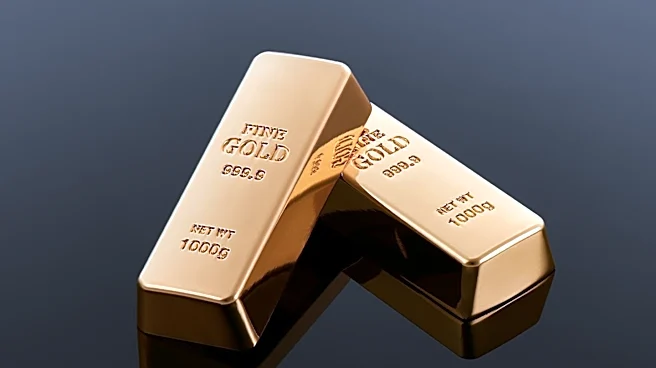
Gold prices increased on Thursday, driven by soft employment data and lower oil prices. The Federal Reserve Chair's comments on easing inflation risks also contributed to the rise. Spot gold reached $4,064.41 per ounce, rebounding after a two-day losing
streak. Traders are now focused on the upcoming U.S. nonfarm payrolls data for further economic insights.
Why It's Important?
The rise in gold prices reflects investor sentiment and market reactions to economic indicators. Gold is often seen as a safe-haven asset, and its price movements can indicate broader economic trends. The current increase suggests concerns about economic stability and potential shifts in monetary policy.
What's Next?
Investors will closely watch the U.S. nonfarm payrolls data for indications of economic health and potential Federal Reserve actions. Any significant changes in employment figures could influence gold prices and broader market dynamics.
Beyond the Headlines
The interplay between gold prices, employment data, and oil prices highlights the complex factors influencing financial markets. Understanding these relationships is crucial for investors and policymakers navigating economic uncertainties.