




What's Happening?
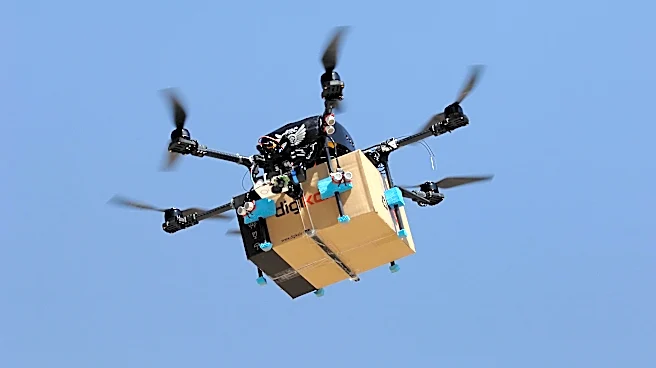
Residents of Mt. Juliet, Tennessee, have reported sightings of large drones, which the Mt. Juliet Police Department (MJPD) has confirmed are associated with Amazon's Prime Air drone delivery program. The MJPD clarified the mystery after receiving calls
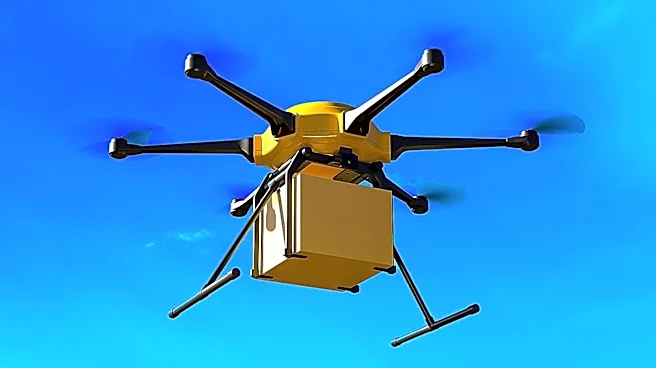
from curious residents about the flying objects. Amazon's drone delivery service is designed for packages up to five pounds and utilizes MK30 drones capable of traveling over 60 miles per hour within a 7.5-mile radius of their delivery centers. The company states that the sound produced by these drones is comparable to a residential HVAC unit. This expansion into Mt. Juliet is part of Amazon's broader initiative, with drone delivery currently active in 16 cities across 10 states and planned for eight additional locations, including Nashville.
Why It's Important?
The deployment of Amazon Prime Air drones in Mt. Juliet signifies a continued advancement in last-mile delivery logistics and the broader e-commerce landscape. This development could significantly impact consumer expectations regarding delivery speed and convenience, potentially setting new industry standards. For local economies, the presence of such advanced delivery systems might influence infrastructure development and job creation in supporting roles. Furthermore, it highlights the increasing integration of autonomous technology into daily life, raising questions about airspace management and public acceptance. The Federal Aviation Administration (FAA) regulates drone flight operations, underscoring the federal oversight required for such widespread commercial drone use, rather than local police or city governments.
What's Next?
As Amazon continues to roll out its Prime Air program, more cities, including Nashville, are expected to see drone delivery services in the near future. The company aims to make drone delivery a common convenience, potentially allowing for rapid delivery of essential items. Residents in areas where the service is active or planned can anticipate increased drone activity. The MJPD has advised residents not to interfere with drones in flight, emphasizing that these operations are under FAA jurisdiction. The ongoing expansion will likely lead to further public discourse on the benefits and challenges of drone technology, including noise concerns, privacy implications, and the regulatory framework governing autonomous aerial vehicles.
Beyond the Headlines
The expansion of Amazon Prime Air into communities like Mt. Juliet represents a significant step towards a future where drone delivery is commonplace. This shift could have profound implications for urban planning, as cities may need to adapt infrastructure to accommodate drone traffic and delivery hubs. It also raises ethical considerations regarding the balance between convenience and potential disruptions, such as noise pollution or visual intrusion. The regulatory landscape for drones is still evolving, and the widespread adoption of services like Prime Air could accelerate the need for more comprehensive federal and local policies. Moreover, the success of such programs could inspire other companies to invest heavily in similar autonomous delivery solutions, transforming the retail and logistics sectors.