


What's Happening?
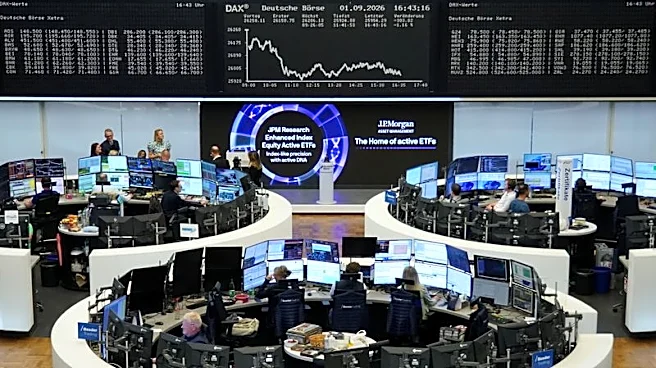
Shares of Tesla (NASDAQ:TSLA) experienced a 6% drop in afternoon trading after U.S. safety regulators announced they are evaluating the company's newly launched Cybercab. The National Highway Traffic Safety Administration (NHTSA) confirmed to Reuters
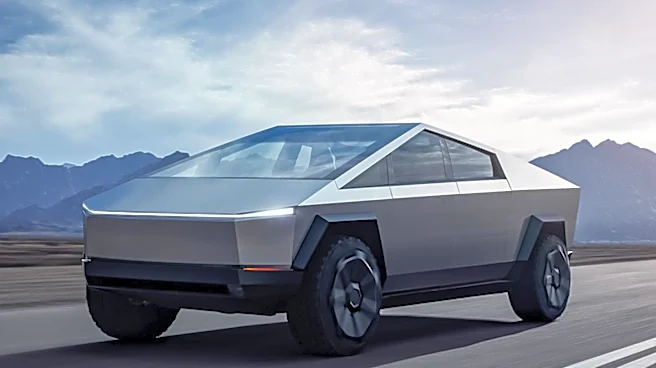
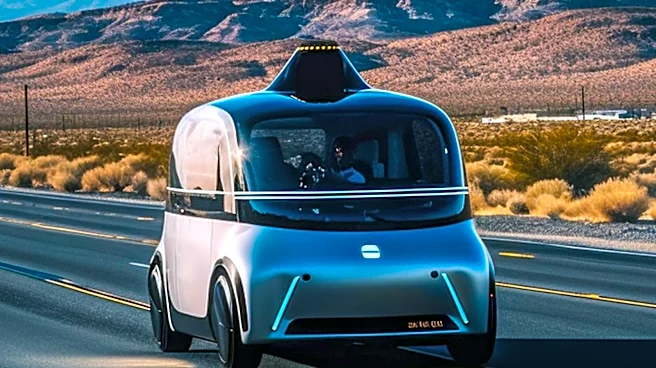
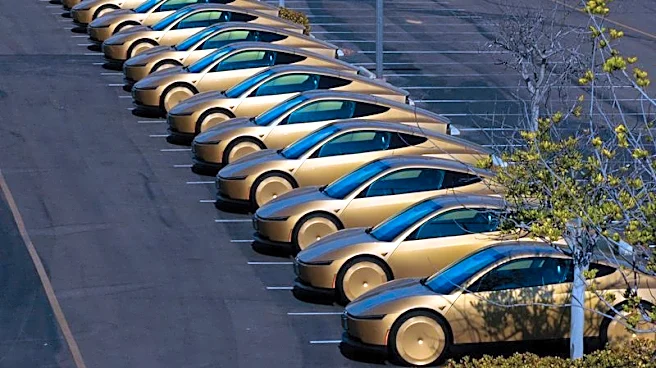
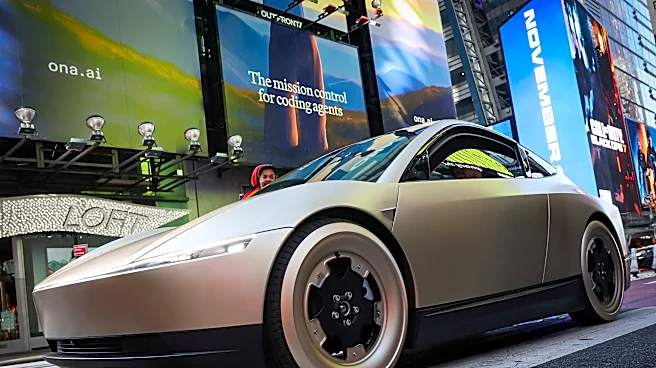
that it is in communication with Tesla regarding the two-seater autonomous vehicle. The Cybercab, designed for ride-hailing services, has been introduced in limited areas of Austin, Texas. Regulatory concerns stem from the vehicle's design, which notably lacks a steering wheel, pedals, and mirrors—components typically mandated by federal auto safety standards. This regulatory review immediately followed an invite-only launch event that disappointed retail investors, as Tesla chose not to publicly livestream the showcase. This decision fueled anxieties that the near-term commercial impact of the robotaxi network might already be factored into the stock's recent performance. Tesla had previously teased the event on X, highlighting the vehicle's lack of traditional controls, and CEO Elon Musk emphasized the Cybercab's cost advantage over competitors like Waymo due to its camera-only autonomous system. Texas Department of Motor Vehicles records indicate that Tesla has 45 Cybercabs registered for driverless operations within the state.
Why It's Important?
The regulatory scrutiny from the NHTSA is a significant development for Tesla, as it directly challenges the operational viability and widespread deployment of its autonomous Cybercab. The absence of standard controls like steering wheels and pedals represents a fundamental departure from current federal auto safety standards, potentially leading to delays or requirements for design modifications. This could impact Tesla's ambitious plans for a robotaxi network and its ability to scale such services across the U.S. The market's negative reaction, evidenced by the stock drop, reflects investor concerns about potential regulatory hurdles and the commercial timeline for the Cybercab. Furthermore, the decision not to livestream the launch event may have eroded investor confidence, suggesting a lack of transparency or a less impactful reveal than anticipated. The success of the Cybercab is crucial for Tesla's future growth strategy, as it aims to diversify beyond traditional electric vehicle sales into autonomous ride-hailing, a market with substantial long-term potential. Any regulatory roadblocks could significantly impede this strategic shift and affect the company's valuation.
What's Next?
The immediate next step involves ongoing communication and evaluation between Tesla and the National Highway Traffic Safety Administration regarding the Cybercab's compliance with federal auto safety standards. Tesla will likely need to address the NHTSA's concerns regarding the vehicle's design, particularly the absence of traditional controls. This could involve providing detailed safety data, proposing alternative safety measures, or potentially making design adjustments to meet regulatory requirements. The outcome of this regulatory review will determine the scope and speed of the Cybercab's rollout beyond its limited deployment in Austin. Investors will be closely watching for any official statements from either Tesla or the NHTSA regarding the vehicle's approval status or any mandated changes. The company's stock performance will likely remain sensitive to these developments, with further declines possible if regulatory hurdles prove substantial or prolonged. Additionally, competitors in the autonomous vehicle space will be observing how regulators approach Tesla's novel design, which could set precedents for future autonomous vehicle development and deployment across the industry.
Beyond the Headlines
The regulatory challenge faced by Tesla's Cybercab highlights a broader tension between rapid technological innovation and existing regulatory frameworks. The design of the Cybercab, which completely omits traditional driver controls, pushes the boundaries of current automotive safety standards, which were largely established for human-operated vehicles. This situation underscores the need for regulatory bodies like the NHTSA to adapt and evolve their guidelines to accommodate increasingly autonomous technologies. The outcome of this review could set a significant precedent for how future fully autonomous vehicles are regulated in the U.S., potentially influencing design philosophies and deployment strategies across the entire autonomous vehicle industry. It also raises ethical and legal questions about liability in the event of an accident involving a vehicle without traditional human controls. The public's perception of safety and trust in fully autonomous systems will also be shaped by how regulators handle such novel designs, impacting the broader adoption of robotaxi services and autonomous driving technology.