
What's Happening?
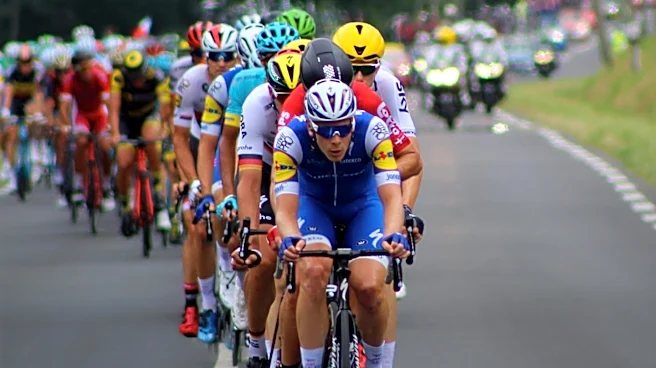
All 166 riders participating in the Tour de France underwent anti-doping blood tests on a rest day, as part of the International Testing Agency's (ITA) ongoing anti-doping program. The tests were conducted between 8 and 11 pm, complementing pre-competition
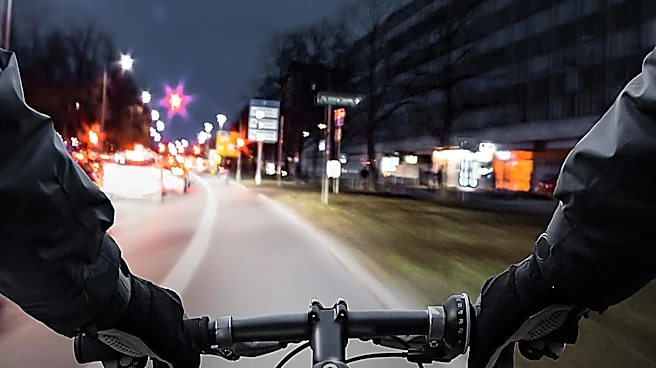
testing and previous tests during the race. The Athlete Biological Passport (ABP) program, introduced in 2008, monitors biological variables over time to detect potential doping effects. The ITA's approach, including nighttime testing, aims to be unpredictable and detect micro-dosing. Some riders have criticized the invasive nature of nighttime tests, but the ITA maintains their necessity for effective anti-doping measures.
Why It's Important?
The comprehensive testing underscores the commitment to maintaining the integrity of competitive cycling, particularly in high-profile events like the Tour de France. The use of the Athlete Biological Passport helps ensure fair competition by monitoring riders' biological markers for signs of doping. This approach is crucial for preserving the sport's reputation and ensuring that victories are achieved through legitimate means. The testing also highlights the ongoing challenges in anti-doping efforts, including balancing the need for thorough testing with the impact on athletes' routines and privacy.
What's Next?
The ITA will continue its intelligence- and risk-based anti-doping program throughout the Tour de France, with potential further tests based on riders' profiles and performances. The agency's approach may lead to more nighttime tests if deemed necessary. The cycling community, including riders and teams, will likely continue discussions on the balance between effective anti-doping measures and the impact on athletes. The results of these tests could influence future anti-doping strategies and policies in cycling and other sports.