






What's Happening?
Amidst rising U.S. Treasury yields and increasing capital costs, Simply Wall St has identified several founder-led companies, including Tesla, Meta Platforms, and Oracle, as examples of businesses with a long-term mindset. These companies are characterized
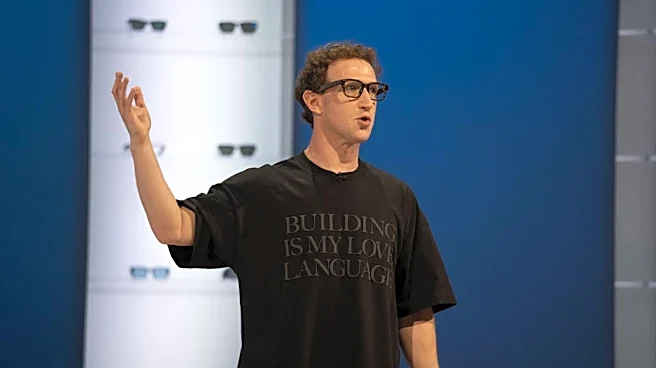
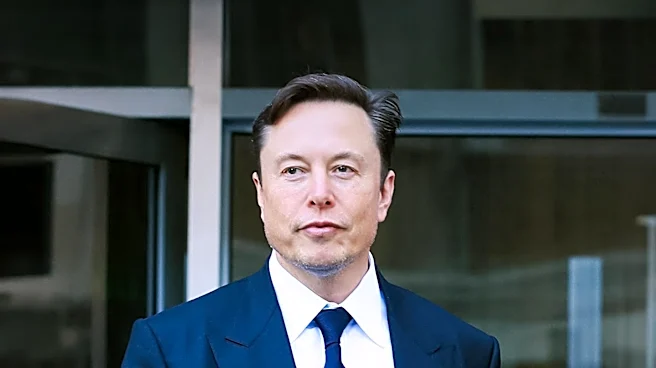
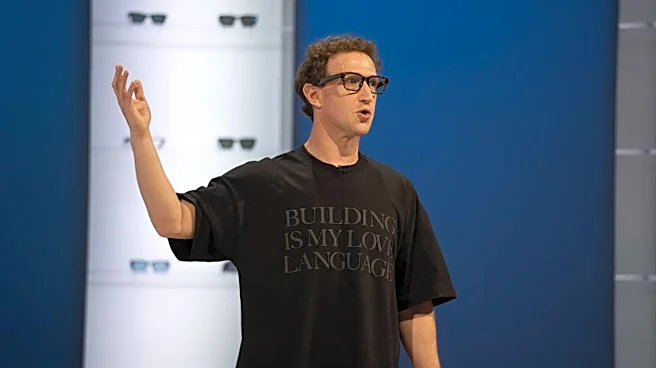
by founders who maintain significant influence over strategic direction, capital allocation, and technological development, often prioritizing decades-long goals over short-term quarterly results. For instance, Elon Musk at Tesla is noted for driving ambitious and speculative ventures like AI leadership and robotaxis. Mark Zuckerberg at Meta Platforms is using the 'Family of Apps' revenue to fund Reality Labs and long-horizon AI initiatives. Similarly, Larry Ellison at Oracle continues to shape the company's long-term strategy in cloud, AI, and data center buildouts. This approach contrasts with businesses heavily reliant on cheap credit and short-term incentives, which are now facing pressure from the current economic climate.
Why It's Important?
The focus on founder-led companies like Tesla, Meta, and Oracle is significant because it highlights a strategic advantage in an environment of tightening capital markets. These companies, with their founders deeply embedded in decision-making, are often better positioned to pursue long-term innovation and strategic bets that might not yield immediate returns but could define future market dominance. This long-haul mindset can lead to sustained growth and resilience, as founders are less susceptible to short-term market pressures that might deter hired managers. For investors, understanding the role of founder leadership can be crucial in identifying companies with strong foundational visions and the potential for enduring value creation, especially when traditional financial metrics are under strain due to higher borrowing costs. The ability of these leaders to direct significant resources towards future-oriented projects, even at a short-term financial cost, underscores a different model of corporate governance that could be increasingly valuable.
What's Next?
The continued performance of these founder-led companies will serve as a key indicator of the efficacy of long-term, founder-driven strategies in a challenging economic landscape. Investors will closely monitor how Tesla's ambitious AI and robotics ventures translate into profitability, and whether Meta's substantial investments in Reality Labs eventually pay off or necessitate a reduction in spending. Oracle's progress in AI and cloud infrastructure, guided by Larry Ellison, will also be under scrutiny for its impact on long-run cash generation. The success or struggles of these companies could influence broader investment trends, potentially leading to a greater emphasis on founder-led businesses that demonstrate resilience and strategic foresight. Furthermore, the market will observe if other companies adopt similar long-term, founder-centric approaches to navigate economic shifts and maintain competitive advantages.
Beyond the Headlines
Beyond immediate financial implications, the prominence of these founder-led companies touches upon deeper themes of corporate culture, innovation, and leadership. The commitment of founders to their original vision, often spanning decades, can foster a unique corporate identity and a culture of relentless pursuit of ambitious goals. This can lead to groundbreaking innovations that might not emerge from more conventionally managed corporations focused on quarterly earnings. However, it also raises questions about governance and accountability, particularly when significant capital is allocated to speculative projects with uncertain timelines for return. The influence of a single individual, while potentially driving visionary progress, also concentrates risk. This dynamic highlights a tension between traditional corporate structures and the entrepreneurial spirit, suggesting a potential shift in how market value and leadership effectiveness are perceived in the long run.