





What's Happening?
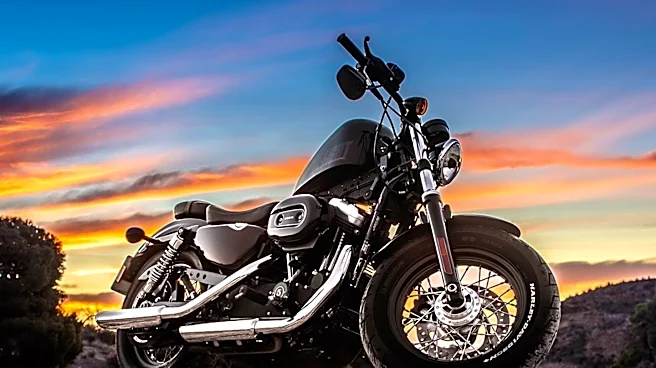
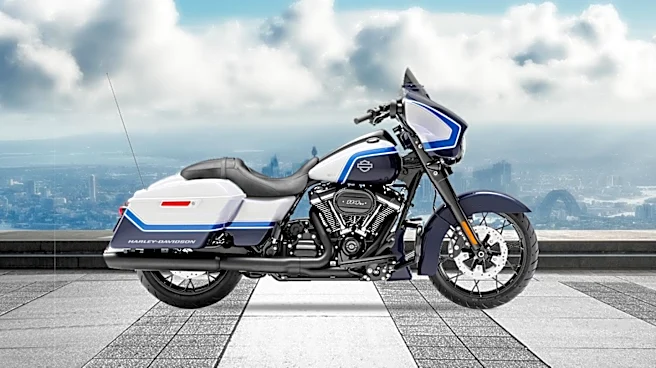
Harley-Davidson, a brand synonymous with American culture and freedom, is facing significant challenges as it struggles to maintain its market position. The company reported a 14% decline in revenue for 2025, following an 11% decline the previous year.
Its core motorcycle division posted an operating loss of $29 million, a stark contrast to the $278 million operating income the year before. The brand, once a cultural icon, is now grappling with an aging customer base and a failure to attract younger riders. The median age of a Harley-Davidson buyer has increased to 52, and the company is losing market share to Japanese brands like Honda and Yamaha, which dominate the entry-level and youth motorcycle market. Despite attempts to modernize and diversify its offerings, including the introduction of electric motorcycles, Harley-Davidson has struggled to capture the interest of environmentally conscious younger buyers.
Why It's Important?
The challenges faced by Harley-Davidson highlight the broader issues of brand evolution and market adaptation in a rapidly changing consumer landscape. As the company attempts to navigate demographic shifts and cultural changes, its ability to reinvent itself without alienating its core customer base is crucial. The decline in sales and market share reflects a significant shift in consumer preferences, with younger generations favoring more affordable and environmentally friendly options. Harley-Davidson's struggle to maintain its cultural relevance underscores the difficulties faced by legacy brands in adapting to new market realities. The company's future success depends on its ability to balance tradition with innovation, appealing to both its loyal customer base and new, younger riders.
What's Next?
Harley-Davidson's new CEO, Artie Starrs, has introduced a strategy called 'Back to the Bricks,' focusing on more affordable motorcycles and a return to the company's roots. This includes the introduction of the Sprint, an entry-level bike, and the return of the popular Sportster model. The company plans to launch 20 new models over the next three years and aims to double dealer profitability by 2029. However, the success of these initiatives will depend on Harley-Davidson's ability to effectively engage with younger consumers and adapt its brand identity to meet changing market demands. The company also faces external pressures, such as tariffs and competition from other motorcycle brands, which could impact its financial performance.
Beyond the Headlines
Harley-Davidson's situation reflects a broader cultural and economic shift, where traditional symbols of freedom and rebellion are being redefined. The brand's struggle to maintain its identity while appealing to a diverse and evolving consumer base highlights the complexities of cultural branding in the modern era. The company's efforts to reconnect with its heritage through initiatives like the 'RIDE' platform and the return of the traditional Bar & Shield logo aim to preserve its legacy while signaling openness to a broader audience. However, the challenge remains in balancing nostalgia with innovation, ensuring that Harley-Davidson remains relevant in a rapidly changing world.