







What's Happening?
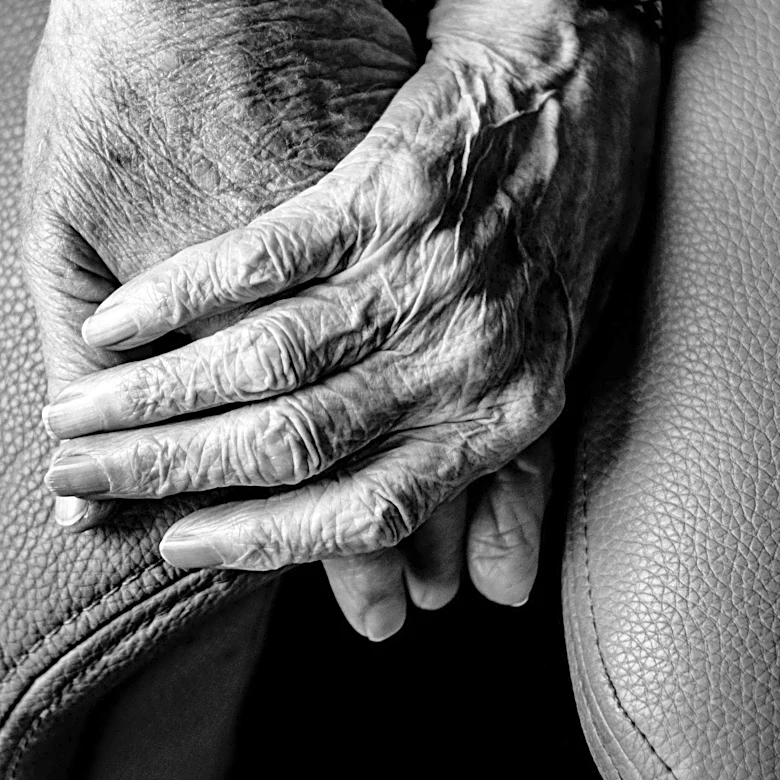
The concept of middle age is evolving as people live longer and societal norms shift. Traditionally, middle age was considered to be between 40 and 60 years old, but this definition is becoming increasingly fluid. Factors such as increased life expectancy,
changing lifestyle milestones, and advancements in cosmetic procedures are influencing how individuals perceive their own aging process. Many people now resist identifying as middle-aged, associating the term with negative connotations of aging. The use of anti-aging products and procedures, along with healthier lifestyles, has contributed to a slower visible aging process, further complicating the definition of middle age.
Why It's Important?
This shift in the perception of middle age has significant implications for societal norms and individual identities. As people live longer and healthier lives, the traditional markers of middle age, such as retirement and physical decline, are being redefined. This can affect economic and social policies, as well as personal planning for retirement and healthcare. The changing perception also impacts industries related to beauty and wellness, as demand for anti-aging products and procedures continues to grow. Understanding these shifts is crucial for addressing the needs and expectations of an aging population.