



What's Happening?
Powerbuilding is an integrated training approach that merges the goals of increasing strength in major compound lifts with building muscle across the entire body. This method allows individuals to pursue both strength gains and physique development simultaneously,
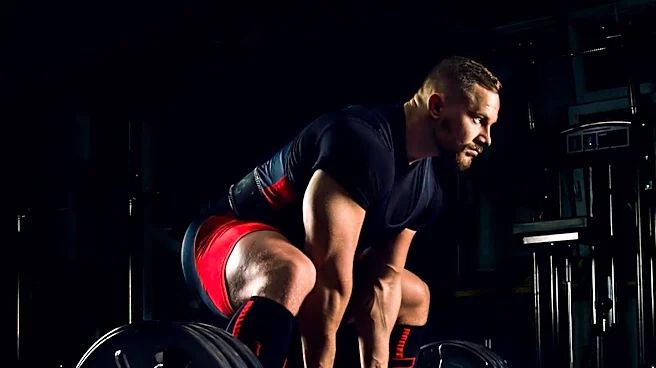
rather than choosing between a strength-focused program and a bodybuilding routine. A typical powerbuilding session often begins with heavy barbell work on exercises like squats, bench presses, or deadlifts, focusing on progressive loading and technical consistency. Following these primary strength movements, the session transitions to higher-volume accessory exercises targeting individual muscle groups, such as dumbbell presses, rows, and triceps work. This dual focus ensures that lifters can achieve measurable strength progress while also developing their physique. The approach emphasizes managing training volume, ensuring that accessory work provides sufficient stimulus for muscle growth without causing excessive fatigue that could hinder subsequent strength sessions. Powerbuilding is not a competitive sport with fixed rules but rather a flexible training philosophy that can be adapted to different schedules, exercises, and priorities.
Why It's Important?
This integrated training methodology is significant for the fitness industry and individuals seeking comprehensive physical development. It offers a solution for those who previously had to choose between specializing in strength or hypertrophy, potentially leading to more balanced and functional fitness outcomes. For athletes and general fitness enthusiasts, powerbuilding can lead to improved overall physical performance, enhanced body composition, and increased confidence. The emphasis on compound movements also contributes to better bone density and cardiovascular health, broadening its appeal beyond aesthetic goals. The flexibility of powerbuilding programs, allowing for 3-day, 4-day, or 5-day splits, makes it accessible to a wider demographic, including beginners, who can start with simpler routines and gradually increase complexity. This approach could influence how gyms design programs and how personal trainers coach clients, promoting a more holistic view of strength and muscle development.
What's Next?
As powerbuilding gains traction, it is likely to see increased adoption within the fitness community. Fitness professionals may develop more specialized powerbuilding programs and resources, catering to various experience levels and goals. The integration of technology, such as fitness tracking apps and online coaching platforms, could further enhance the accessibility and personalization of powerbuilding routines. We might also see more research emerging to validate the long-term benefits and optimal programming strategies for combining strength and hypertrophy training. Gyms and fitness centers may adapt their equipment offerings and class structures to better support powerbuilding principles, potentially leading to a shift in how strength training is perceived and practiced. The continued evolution of powerbuilding could also influence competitive fitness, with hybrid competitions emerging that test both strength and physique.
Beyond the Headlines
The rise of powerbuilding reflects a broader cultural shift towards functional fitness and holistic well-being, moving beyond singular aesthetic or strength-based goals. It challenges the traditional separation of powerlifting and bodybuilding, suggesting that optimal physical development involves a synergistic approach. This trend could foster a more inclusive fitness environment where individuals are encouraged to pursue multiple facets of physical health. Ethically, it promotes a balanced view of fitness, discouraging extreme specialization that might lead to burnout or injury. The emphasis on progressive overload and consistent technique also instills discipline and a deeper understanding of biomechanics. Culturally, powerbuilding could contribute to a more nuanced understanding of what it means to be 'fit,' valuing both the ability to perform heavy lifts and the development of a well-proportioned physique. This integrated philosophy could inspire new training methodologies and redefine fitness benchmarks in the coming years.