





What's Happening?
Upside Foods has commercially launched its blended cultivated chicken product across California foodservice channels, including restaurants, corporate campuses, and university dining programs. This marks a significant step for cultivated meat availability
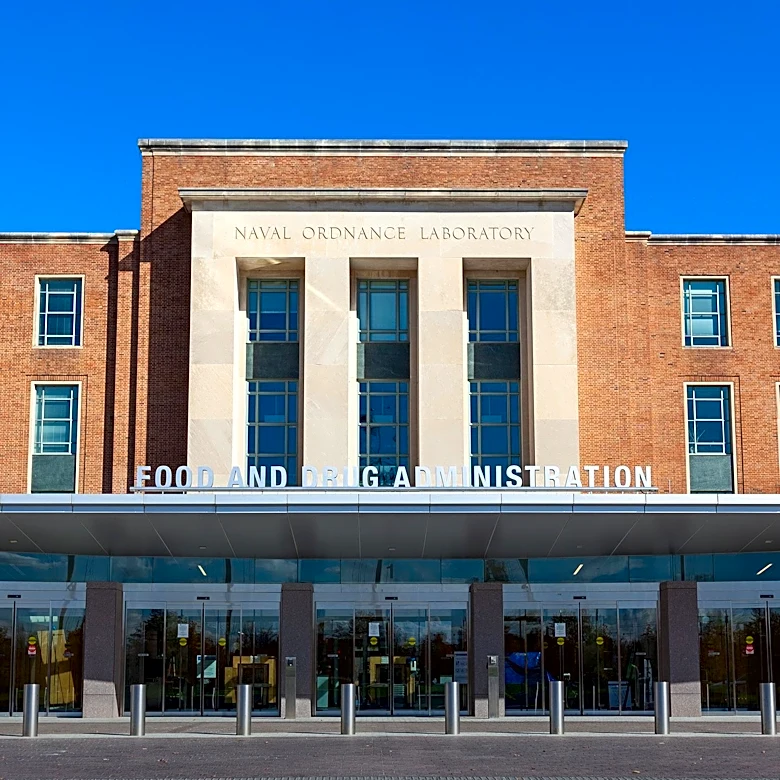
in the U.S., with Upside Chicken now served in various California restaurants and at Stanford University. The company states it can produce over one million pounds of Upside Chicken annually from its 20,000-liter tanks. This launch follows the company's second FDA 'no questions' letter and USDA label approval, making it the first company to secure U.S. regulatory clearance for two distinct cultivated meat products. Despite this commercial expansion, the cultivated meat industry faces regulatory challenges, with eight states—Florida, Alabama, Mississippi, Montana, Nebraska, Indiana, Texas, and South Dakota—having banned or restricted the manufacture, sale, or distribution of cultivated meat. Upside Foods has filed lawsuits against Florida and Texas regarding their respective bans.
Why It's Important?
The commercial launch of Upside Chicken in California highlights a growing divergence in regulatory approaches to cultivated meat across the U.S. While federal agencies like the USDA and FDA have approved the sale of these products, several states are enacting bans or restrictions, creating a fragmented market. This patchwork legislation could impede the growth and scalability of the cultivated meat industry, affecting investment and consumer access. For consumers in California, this launch offers new protein options, potentially influencing dietary choices and food sustainability discussions. Conversely, residents in states with bans will not have access to these products, limiting their choices and potentially impacting local economies that might otherwise benefit from this emerging industry. The legal battles between Upside Foods and states like Florida and Texas underscore the ongoing tension between state-level legislative autonomy and federal regulatory oversight in the food sector.
What's Next?
The legal challenges initiated by Upside Foods against state bans in Florida and Texas are expected to continue, with federal courts playing a crucial role in determining the future of cultivated meat sales in these states. Texas's Senate Bill 261, which prohibits the sale of cultivated meat for two years, is effective September 1, 2025, and is set to expire in September 2027. Indiana's moratorium is also scheduled to end in June 2027. These timelines suggest that the regulatory landscape for cultivated meat could evolve significantly in the coming years. Upside Foods also plans to expand its production capacity and eventually move into retail markets, indicating a long-term strategy to make cultivated meat more widely accessible. The company is also initiating a new fundraising round, aiming to attract investors by demonstrating commercial scale and market penetration despite regulatory hurdles.
Beyond the Headlines
The introduction of cultivated meat into mainstream foodservice channels, coupled with state-level bans, raises profound questions about food innovation, consumer choice, and the role of government in regulating emerging technologies. The debate extends beyond economic and regulatory concerns to ethical and cultural dimensions, including the definition of 'meat' and the perceived naturalness of food. The halal certification achieved by Upside Foods also highlights the potential for cultivated meat to cater to diverse dietary and religious requirements, expanding its market reach and challenging traditional notions of food production. The contrasting approaches by states and federal agencies could set precedents for how other novel food technologies are regulated in the future, potentially influencing the pace of innovation and consumer adoption in the broader food industry.