



What's Happening?
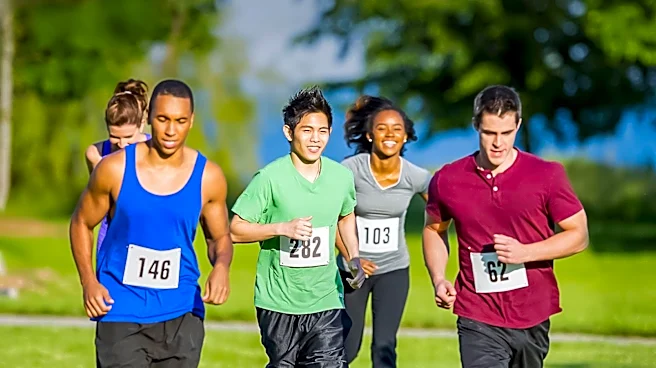
Gen Z is increasingly opting for run clubs and organized sports leagues over traditional bar scenes for socializing and fitness, a trend highlighted by CNBC. This generational shift is driven by a desire for self-improvement, community building, and addressing
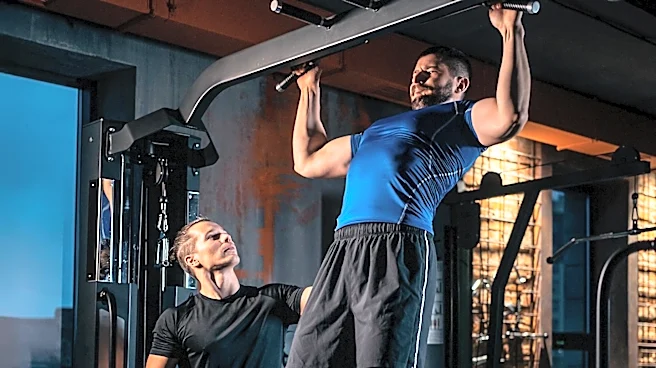
a 'loneliness epidemic.' Events like 'Diplo's Run Club' offer 5K races followed by post-race festivals, attracting thousands of participants. Data from Strava indicates Gen Z is 39% more likely than Gen X to use fitness for meeting like-minded individuals, with nearly one in five Gen Z respondents dating someone met through exercise. This communal fitness fervor extends to traditional gyms and hybrid competitions like Hyrox, which even partners with a dating app, Surf Dating, to connect singles. This movement signifies a broader cultural shift 'from barstools to barbells,' as younger cohorts prioritize health and social connection through active pursuits.
Why It's Important?
This trend has significant implications for the U.S. social and economic landscape. The shift in Gen Z's spending and social habits away from alcohol-centric venues towards fitness and community sports impacts various industries, from hospitality to health and wellness. It signals a growing market for fitness-related businesses, including gyms, sports leagues, and event organizers, while potentially challenging traditional nightlife establishments. The emphasis on community and shared interests in fitness addresses a critical social need for connection, particularly in the wake of increased loneliness. This movement could foster a healthier, more engaged populace, with long-term benefits for public health and social cohesion. It also highlights the adaptability of social interaction, demonstrating how new forms of community can emerge around shared values like wellness and activity.
What's Next?
The growth of run clubs and organized sports leagues is expected to continue, with companies like Volo Sports experiencing substantial increases in player registrations. This trend will likely lead to further innovation in the fitness and social engagement sectors, with more businesses developing hybrid models that combine physical activity with social events. We can anticipate increased investment in community sports infrastructure and programs, as well as more collaborations between fitness brands and social platforms. The success of initiatives like Diplo's Run Club suggests a future where entertainment and fitness are increasingly intertwined. This shift may also influence urban planning, with a greater demand for public spaces conducive to outdoor activities and community gatherings. The long-term impact could be a redefinition of social norms, where active, health-conscious pursuits become central to forming relationships and building community.
Beyond the Headlines
Beyond the immediate social and economic impacts, this phenomenon reflects a deeper cultural re-evaluation of values among younger generations. The move away from traditional 'bar culture' towards fitness and community sports suggests a prioritization of well-being, authenticity, and meaningful connection. It challenges the notion that social interaction must be fueled by alcohol and instead promotes a more mindful approach to leisure and relationship building. This trend also speaks to the power of shared experiences in forging strong bonds, offering a counter-narrative to the perceived isolation of digital life. The 'quarter-life crisis' joke associated with endurance events hints at a generation seeking purpose and identity through challenging physical feats and collective endeavors. This cultural shift could have lasting effects on societal norms, promoting a more active, connected, and health-conscious way of life for future generations.