






What's Happening?
The Delaware Breast Cancer Coalition is hosting a free Yes2Health Fall Retreat on Monday, November 16, at Delaware Technical Community College in Dover. The event, scheduled from 5 to 7 p.m., will feature Chef Joseph Sakers, Chair of the Culinary Arts
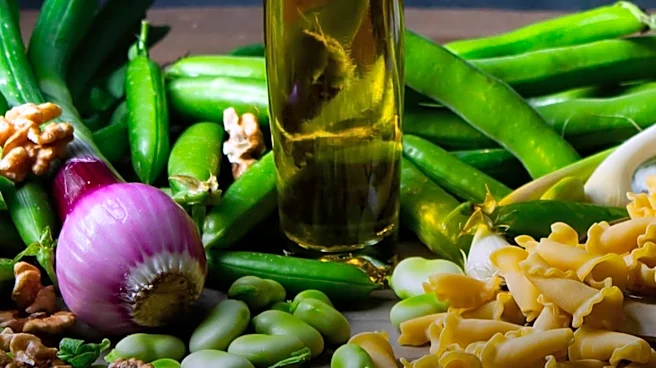
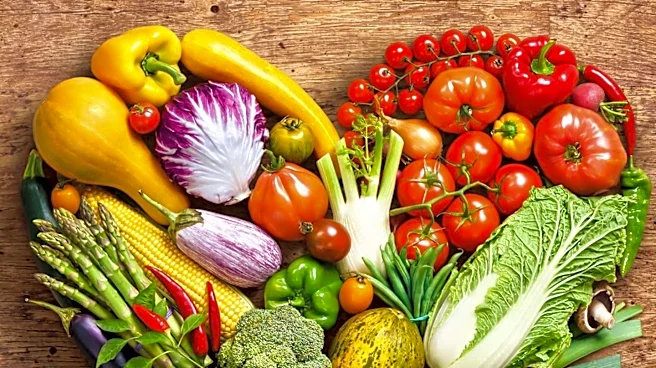
Department at Delaware Tech’s Terry Campus. Chef Sakers will demonstrate recipes centered on the concept of 'food as medicine,' aiming to educate participants on how healthier food choices can contribute to preventing chronic diseases. Attendees will have the opportunity to watch cooking demonstrations, sample nutritious dishes, and learn practical cooking skills. The first 25 registrants will also receive a bag of fresh produce. This initiative is part of the coalition's broader Yes2Health program, which focuses on nutrition education, physical activity, and community support to help Delaware residents make healthier choices.
Why It's Important?
This event underscores the growing recognition of nutrition's critical role in public health and disease prevention in the U.S. The 'food as medicine' concept, which emphasizes the power of diet in preventing, managing, and treating chronic conditions, is gaining traction among medical professionals and health organizations like the American Heart Association. With approximately one in five cancer cases linked to lifestyle factors such as diet, initiatives like this are vital for empowering individuals to take proactive steps towards better health. By offering free education and practical demonstrations, the Delaware Breast Cancer Coalition aims to address barriers to healthy eating, such as cost and lack of cooking knowledge, making nutritious choices more accessible and enjoyable for the community. This approach could lead to improved health outcomes and potentially reduce healthcare burdens associated with diet-related illnesses.
What's Next?
The Yes2Health Fall Retreat is a one-time event scheduled for November 16, 2026. However, the Delaware Breast Cancer Coalition's Yes2Health program offers ongoing resources, including 10-week health education sessions, walking activities, interactive cooking classes, online cooking programs, and a cookbook club. These continuous offerings aim to foster long-term healthy habits within the community. The success of such events and programs could encourage other health organizations and community groups to adopt similar 'food as medicine' initiatives, further integrating nutritional education into public health strategies. Continued research into the long-term effectiveness of nutrition-focused programs, as highlighted by the American Heart Association, will also be crucial in shaping future health policies and interventions.
Beyond the Headlines
The 'food as medicine' movement represents a significant shift in healthcare, moving beyond a sole reliance on pharmaceuticals to embrace holistic approaches to wellness. This paradigm shift has broader implications for the food industry, healthcare systems, and public policy. It encourages a re-evaluation of food production, distribution, and access, potentially leading to increased demand for fresh, whole foods and greater investment in nutritional education. Ethically, it raises questions about equitable access to healthy food options, as socioeconomic factors often dictate dietary choices. Culturally, it challenges traditional notions of medicine and personal responsibility for health, promoting a more integrated view of well-being. The long-term impact could be a more preventative healthcare model, where diet is a cornerstone of health management, influencing everything from insurance coverage to community development initiatives.