

What's Happening?
Architects are increasingly designing buildings that serve multiple functions, reflecting a trend towards creating versatile spaces that adapt to various uses. This approach is evident in public libraries, offices, and hotels, which now function as event
venues, social spaces, and cultural destinations. The renovation of Rotterdam’s Central Library exemplifies this trend, aiming to reconnect with the city and serve as its public living room. The design philosophy emphasizes integrating different fields to create spaces that naturally become part of everyday life. The library's renovation, led by the Dutch firm Powerhouse Company, involves rethinking how the building functions as a public space, with a focus on creating an open and exploratory environment.
Why It's Important?
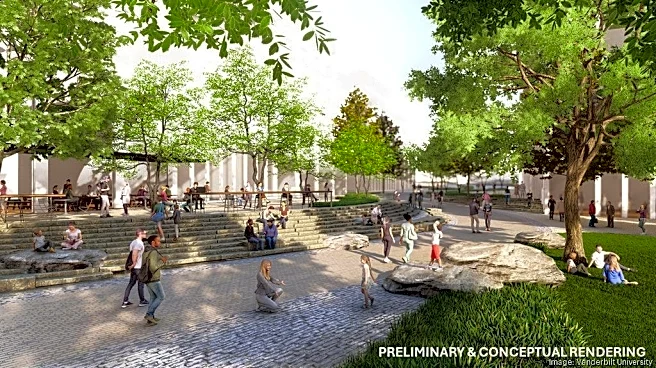
This shift in architectural design has significant implications for how public spaces are utilized and experienced. By creating multifunctional spaces, architects are responding to the evolving needs of urban environments, where space is often limited and must serve diverse purposes. This approach can enhance community engagement and accessibility, making public spaces more inclusive and dynamic. It also reflects a broader trend in architecture towards integrated design, where buildings are not just structures but part of a cohesive urban experience. This can lead to more sustainable and efficient use of resources, as spaces are designed to accommodate various activities and needs.
What's Next?
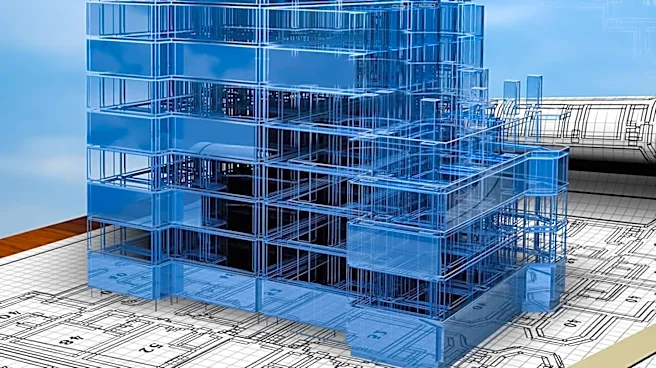
As this trend continues, we can expect more public buildings to undergo similar transformations, with a focus on creating spaces that are adaptable and responsive to the needs of their users. This may involve collaborations between architects, interior designers, and other specialists to ensure that spaces are designed holistically. The success of such projects will likely be measured by how well they integrate into the urban fabric and enhance the quality of life for residents. Future developments may also explore new technologies and materials to further enhance the functionality and sustainability of public spaces.