





What's Happening?
Lewis Hamilton, a prominent figure in Formula 1, has voiced his disapproval of the contemporary trend in F1 to replace traditional grass and gravel run-off areas at corners with tarmac. He expressed a preference for the 'older days' when track limits
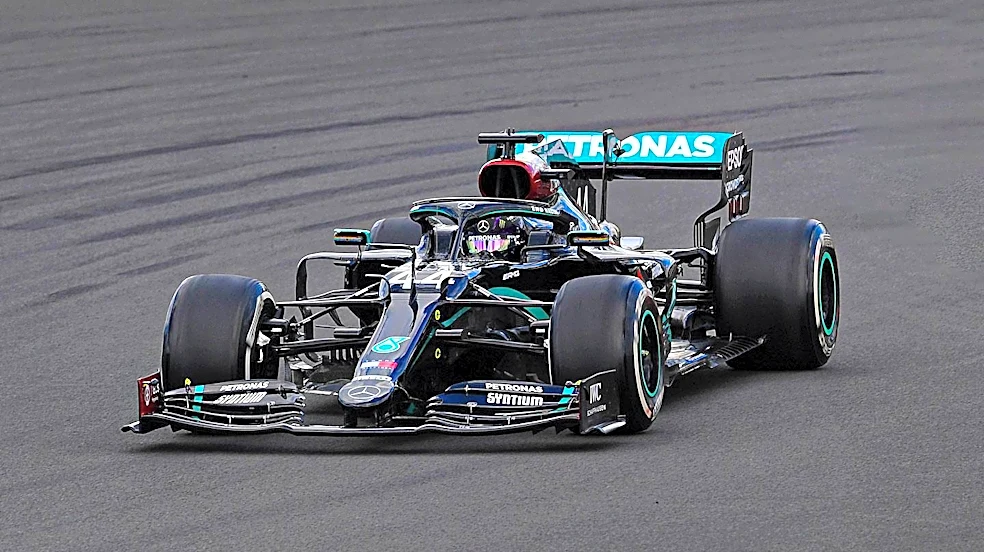
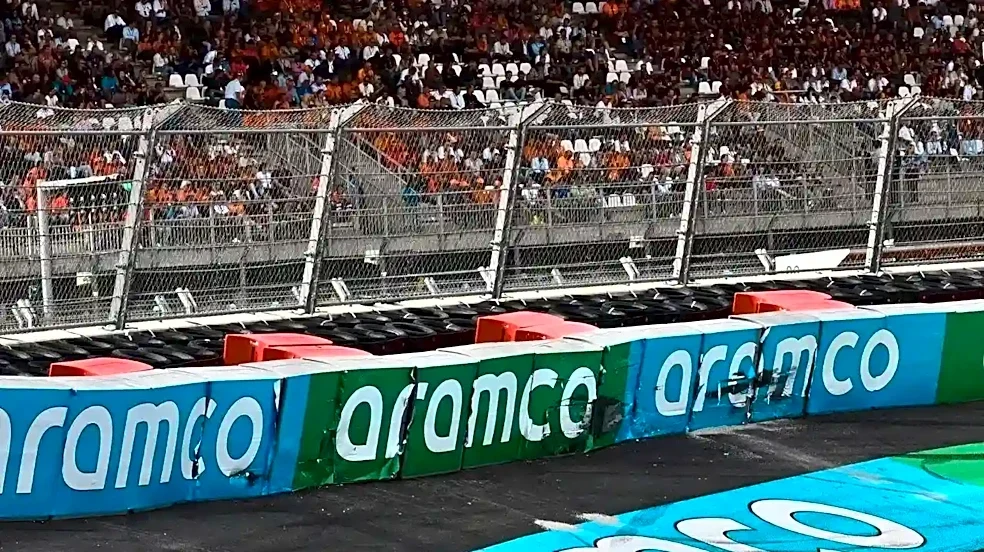
were enforced by more punishing natural barriers, which he believes made the sport less 'risk-averse.' Hamilton noted that tarmac run-off areas allow drivers to recover more easily from minor mistakes, whereas grass and gravel traps can damage cars. This change is evident at various tracks, including the Circuit of the Americas in Austin, which joined the F1 calendar in 2012. While acknowledging that changing track limits for different racing series can be expensive and time-consuming, Hamilton emphasized the impact of these changes on the physicality and challenge of F1 racing. He recalled that earlier in his career, and particularly in 2020 when cars were at their fastest, the sport felt more physically demanding.
Why It's Important?
Hamilton's critique highlights a significant debate within Formula 1 regarding driver safety versus the traditional challenge of the sport. The shift from natural run-off areas to tarmac is primarily driven by safety considerations, aiming to reduce the severity of accidents and car damage. However, this change also alters the strategic and skill-based elements of racing, as drivers face fewer immediate consequences for exceeding track limits. This could impact the competitive nature of races and the perception of driver skill, as the margin for error increases. For U.S. venues like the Circuit of the Americas, which host multiple racing series, the decision to implement tarmac run-offs is often a practical one, balancing safety, cost, and versatility. The ongoing discussion reflects a broader tension in motorsports between evolving safety standards and preserving the inherent risks and challenges that define the sport.
What's Next?
The debate surrounding track limits and run-off areas is likely to continue within Formula 1. While safety remains a paramount concern, driver feedback, particularly from experienced champions like Hamilton, could influence future track design and modifications. Race organizers and the FIA (Fédération Internationale de l'Automobile) may face ongoing pressure to balance safety enhancements with maintaining the sporting integrity and challenge of the circuits. This could lead to further discussions on hybrid solutions, where certain sections might retain more traditional deterrents while high-risk areas prioritize tarmac. The upcoming United States Grand Prix in Austin, a track Hamilton specifically mentioned, will likely bring renewed attention to this issue, as drivers navigate its current configuration and potentially offer further commentary on the impact of tarmac run-offs.
Beyond the Headlines
Beyond the immediate concerns of safety and racing challenge, Hamilton's comments touch upon the evolving philosophy of Formula 1 and motorsports in general. The move towards 'risk-averse' track designs can be seen as part of a broader societal trend towards minimizing danger in high-performance activities. While this has undoubtedly saved lives and reduced injuries, it also raises questions about the essence of extreme sports and what constitutes a 'true' test of skill and bravery. The aesthetic and historical appeal of F1 is often tied to its demanding nature, and changes that dilute this can be met with resistance from purists and veteran drivers. This ongoing tension between progress (in safety) and tradition (in challenge) will likely shape the future direction of Formula 1, influencing everything from car design to track layouts and the overall spectacle of the sport.