








What's Happening?
Colossal Biosciences, a startup focused on de-extinction technologies, is reportedly in talks to raise new capital, potentially valuing the company between $20 billion and $30 billion. This comes after the company was valued at $10.2 billion just 16 months
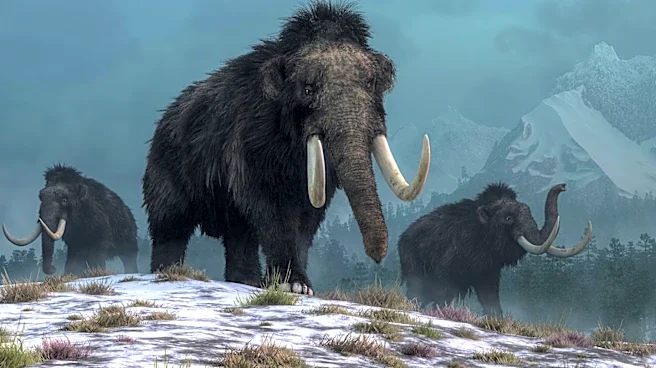
ago. The company, known for its ambitious projects to resurrect extinct species like the woolly mammoth and the dodo, has started generating revenue and has spun off several startups. These include Breaking, which focuses on plastic waste degradation, and Form Bio, a computational biology platform. Colossal has also developed artificial womb technology, which could have applications in human fertility treatments. The company plans to generate revenue through biodiversity credits if it succeeds in reintroducing extinct animals to their natural habitats.
Why It's Important?
The potential increase in valuation for Colossal Biosciences highlights the growing interest and investment in biotechnology and de-extinction technologies. The company's work could have significant implications for conservation efforts and biodiversity restoration. By developing technologies that could bring back extinct species, Colossal is at the forefront of a new frontier in genetic engineering. The company's partnerships with governments and its ability to generate revenue through innovative means like biodiversity credits could set a precedent for future biotech ventures. Additionally, the development of artificial womb technology could revolutionize fertility treatments, offering new solutions for human reproductive challenges.
What's Next?
Colossal Biosciences is expected to continue its fundraising efforts, although details about the lead investors or the exact amount to be raised remain unclear. The company will likely focus on advancing its de-extinction projects and expanding its revenue streams. The success of these initiatives could attract further investment and partnerships, potentially leading to more breakthroughs in biotechnology. The company's progress will be closely watched by stakeholders in the biotech industry, conservationists, and investors interested in the commercial potential of de-extinction technologies.