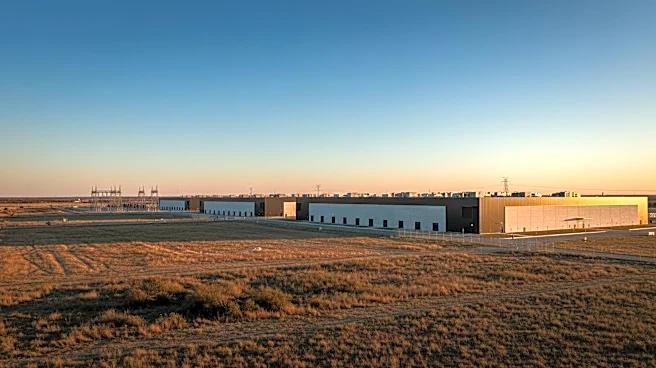










What's Happening?
A recent heatwave in the eastern United States has significantly impacted bitcoin mining operations, as the U.S. Department of Energy issued emergency orders to manage electricity demand. The PJM Interconnection, serving 67 million people across 13 states
and Washington, D.C., faced historic highs in electricity demand due to triple-digit temperatures. This led to increased wholesale electricity prices, affecting miners on variable-rate contracts. Some mining operations voluntarily curtailed activities during peak hours, while others were forced to shut down rigs due to cooling system limitations. The heatwave contributed to a 1% to 3% dip in global hashrate, slightly slowing block production. The situation highlights the growing concern over electricity demand from digital asset infrastructure and the need for utilities to modernize transmission systems.
Why It's Important?
The impact of extreme weather on bitcoin mining operations underscores the vulnerabilities of the digital asset industry to climate-related disruptions. As electricity demand rises, miners face increased operational costs and potential curtailments, affecting profitability and network stability. The situation also highlights the broader challenges of balancing energy consumption with the growing demand from artificial intelligence data centers and cloud computing. Utilities are under pressure to expand generation capacity and modernize infrastructure to meet these demands. The industry's response to these challenges will be critical in ensuring sustainable growth and resilience in the face of climate change.