

What's Happening?
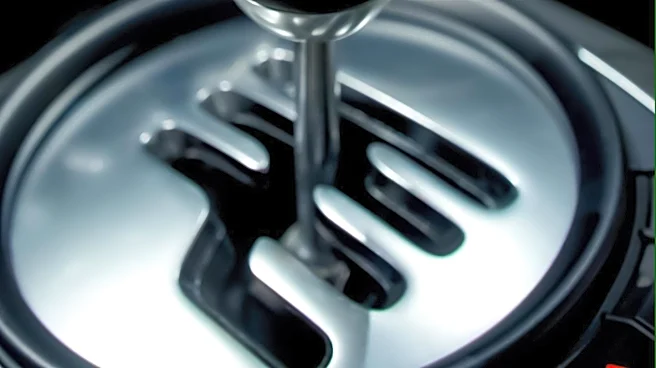
The manual transmission, once a staple of the automotive industry, is becoming increasingly rare in the U.S. market. Less than 1% of new vehicles are equipped with stick shifts, limiting options primarily to high-end sports cars and a shrinking pool of used
vehicles. Enthusiasts of manual transmissions cite the driving experience and control as key benefits, but the convenience of automatic transmissions and advancements in technology are driving the decline. On a recent episode of Cincinnati Edition, experts discussed the factors contributing to this trend and the challenges faced by those who prefer manual vehicles.
Why It's Important?
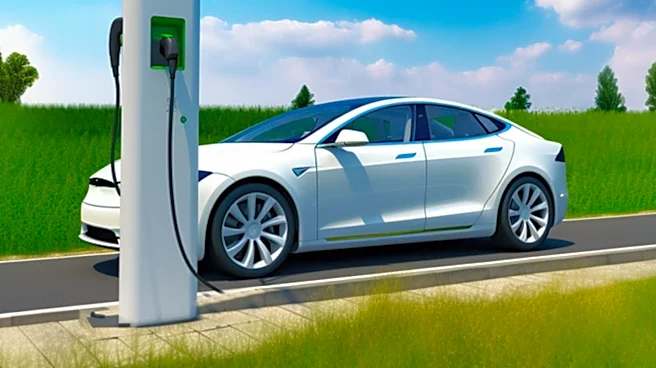
The decline of manual transmissions reflects broader changes in consumer preferences and technological advancements in the automotive industry. As automatic transmissions become more efficient and electric vehicles gain popularity, the demand for manual cars continues to decrease. This shift has implications for car manufacturers, dealerships, and consumers, particularly those who value the driving experience offered by manual transmissions. The trend also highlights the evolving landscape of the automotive industry, where innovation and consumer demand drive product offerings and market dynamics.
What's Next?
As the market for manual transmissions continues to shrink, enthusiasts may need to turn to niche markets or aftermarket solutions to find vehicles that meet their preferences. Car manufacturers may focus on preserving manual options in specific models or markets where demand remains strong. The industry will likely continue to innovate, with advancements in electric and autonomous vehicles shaping the future of driving. Consumers will need to adapt to these changes, balancing nostalgia for traditional driving experiences with the benefits of modern technology.