




What's Happening?
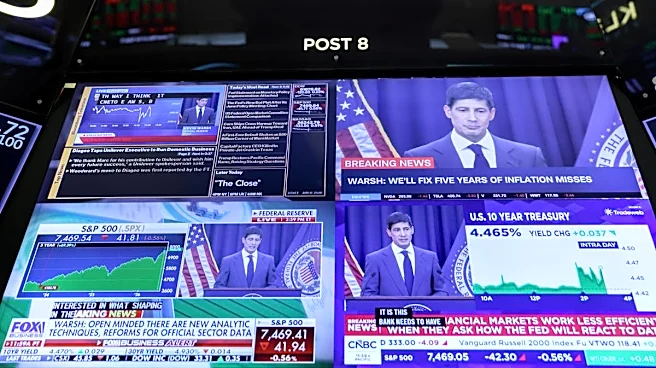
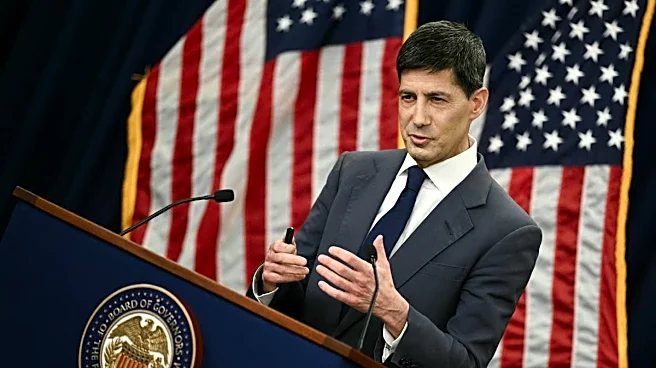
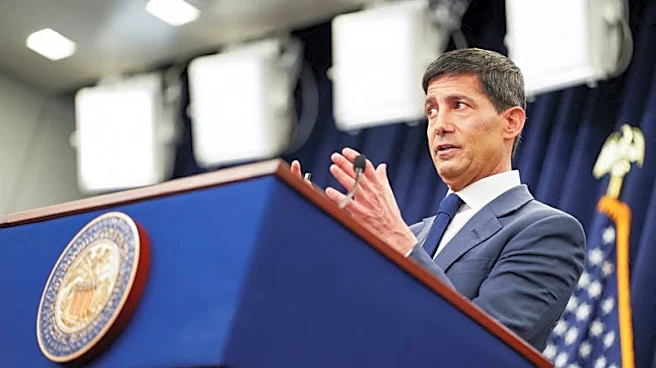
Federal Reserve Chair Kevin Warsh has delivered a hawkish message, indicating that the central bank may raise interest rates before the end of the year. This shift comes after the Federal Open Market Committee decided to keep rates unchanged, despite
ongoing inflation concerns. Former Dallas Fed President Robert Kaplan suggested that if inflation does not decrease by September, a rate hike could be necessary. The Fed's focus appears to be on maintaining its credibility in fighting inflation, even as economic growth shows signs of slowing. Investors, who had anticipated rate cuts, are now preparing for potential increases in borrowing costs.
Why It's Important?
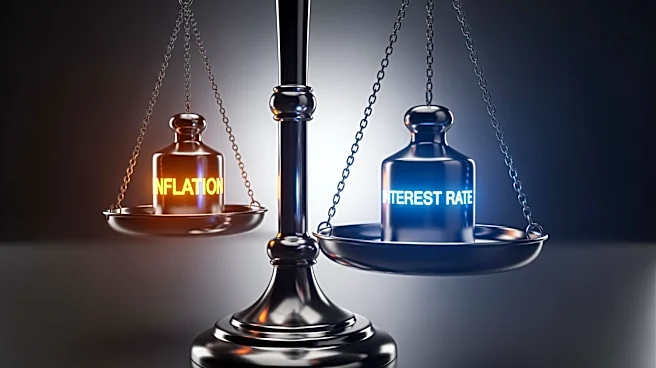
The potential for increased interest rates has significant implications for both Wall Street and consumers. Higher rates could lead to increased costs for credit cards, auto loans, and other forms of consumer credit. Additionally, the federal government may face higher borrowing costs as it manages its debt. The shift in the Fed's stance reflects a prioritization of inflation control over economic growth, which could impact market sentiment and investment strategies. The possibility of rate hikes underscores the Fed's commitment to addressing inflation, which remains a primary concern despite economic uncertainties.
What's Next?
If inflation does not show signs of cooling, the Fed may proceed with rate hikes as early as September. This decision will depend on upcoming inflation reports and economic indicators. Investors and market participants will closely monitor the Fed's communications and economic data to gauge the likelihood of future rate adjustments. The next Federal Open Market Committee meeting is scheduled for July, where further guidance on monetary policy may be provided.