



What's Happening?
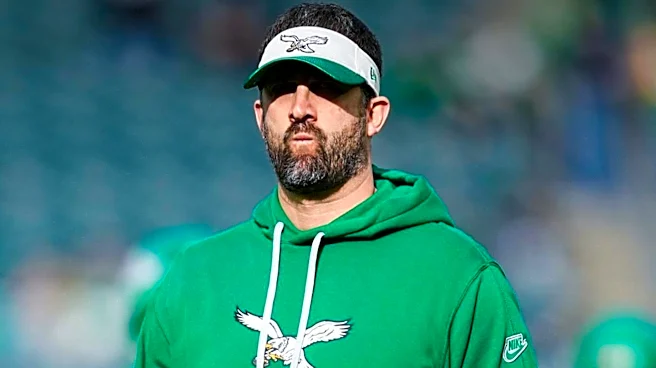
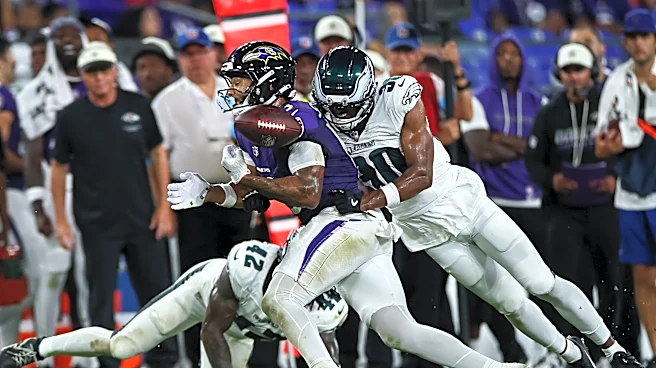
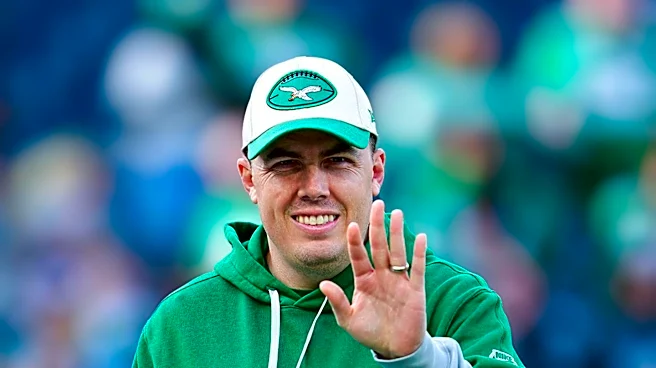
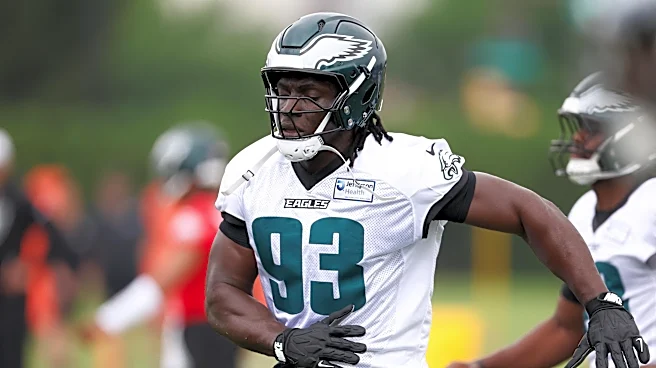
Philadelphia Eagles head coach Nick Sirianni addressed a recent training camp altercation between defensive tackle Moro Ojomo and offensive tackle Fred Johnson. The incident, which occurred during an 11-on-11 session in the red zone, led to Sirianni ending
practice approximately 15 minutes early. Ojomo and Johnson had to be separated multiple times, with Ojomo eventually diving into Johnson's knees after a second dust-up. Following the event, both players had discussions with Sirianni and General Manager Howie Roseman. Ojomo has since taken accountability for his actions, stating that the behavior was "wrong" and "a mistake" that did not align with the organization's standards. He also apologized to Johnson. Sirianni reinforced that such conduct is unacceptable within the Eagles organization, highlighting the importance of maintaining professionalism even amidst the competitive nature of training camp. The team is now preparing for joint practices with the New England Patriots, which are anticipated to offer a welcome change of pace from competing against teammates.
Why It's Important?
This incident underscores the challenges of managing player intensity and maintaining discipline within professional sports, particularly during the high-pressure environment of training camp. Sirianni's swift action to end practice and his clear communication regarding organizational standards are crucial for fostering a professional team culture. Such incidents, if not handled effectively, can disrupt team cohesion and morale, potentially impacting on-field performance. The emphasis on professionalism is vital for the Eagles as they prepare for joint practices with another team, where maintaining composure and focus against external competition becomes paramount. For players like Ojomo, taking accountability and learning from such mistakes is essential for their personal and professional development within the league. The team's ability to move past internal conflicts and channel competitive energy constructively will be a key factor in their preparation for the upcoming season.
What's Next?
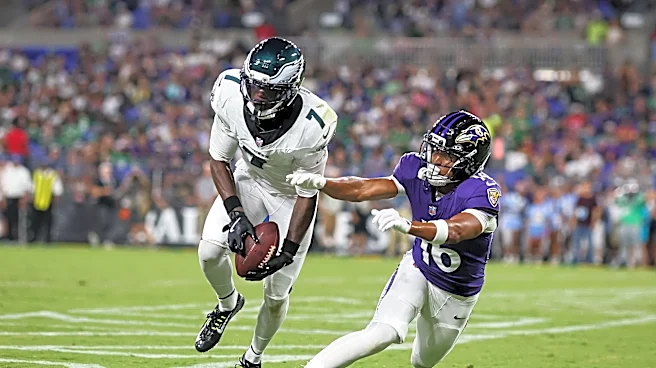
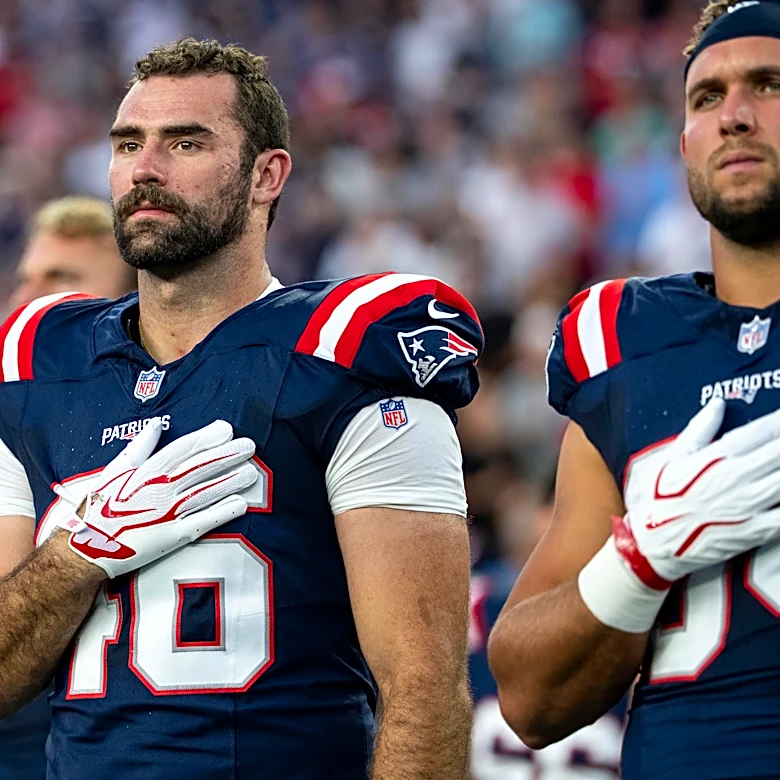
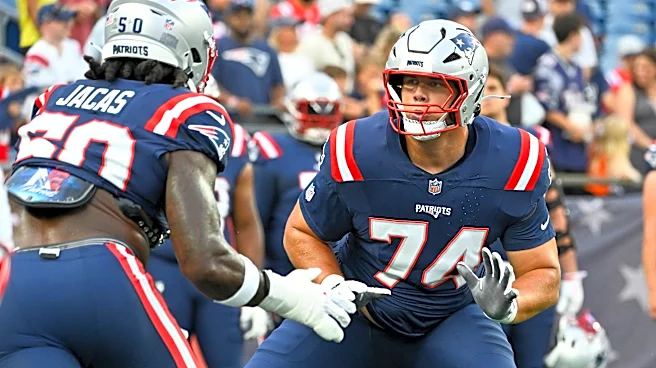
The Eagles are scheduled to participate in two days of joint practices with the New England Patriots, starting Wednesday, leading up to a preseason game on Saturday. These joint sessions are expected to provide a "breath of fresh air" for the players, allowing them to compete against a different team rather than their own teammates. This shift in competition is seen as an opportunity for starters, who typically do not play much in preseason games, to get valuable reps against external competition in a controlled environment. The joint practices will also serve as a test of the team's ability to maintain discipline and focus when facing opponents. The organization will likely monitor player conduct closely during these sessions to ensure that the standards set by Sirianni are upheld. The performance and behavior during these practices could influence roster decisions and further shape the team's dynamic as they head into the regular season.
Beyond the Headlines
The incident highlights the psychological and physical toll of prolonged, intense competition among teammates during training camp. The "one-sided nature" of constantly competing against the same individuals, coupled with the physical demands of practice in hot and humid conditions, can naturally lead to heightened emotions and occasional flare-ups. This dynamic underscores the importance of strategic scheduling, such as joint practices with other teams, to alleviate internal pressures and provide fresh competitive outlets. Beyond immediate discipline, the incident offers a learning opportunity for players to manage their emotions under pressure, a critical skill in professional sports. The way such conflicts are resolved internally, through apologies and clear communication from leadership, can either strengthen or weaken team bonds. Ultimately, the ability of a team to navigate these internal challenges and emerge with a unified, disciplined approach is often indicative of its potential for success in the long term.