


What's Happening?
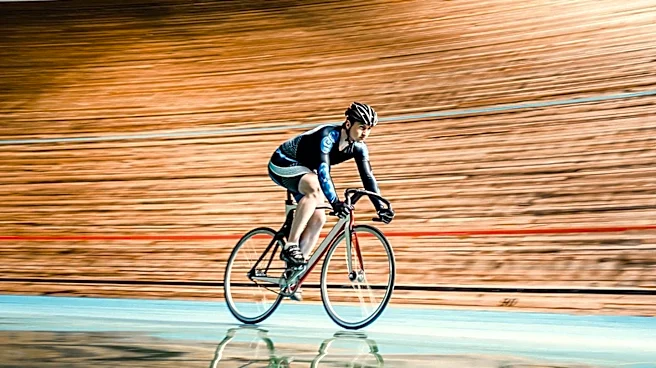
Rui Oliveira (UAE Team Emirates-XRG) achieved his first professional road cycling victory by winning stage 10 of the Volta a Portugal in a sprint finish on home soil in Porto. The 29-year-old, known for his track cycling prowess and a gold medalist in Madison
at the 2024 Paris Olympic Games, timed his sprint perfectly on the cobbled uphill finish. Daniel Cavia (Burgos Burpellet BH) finished second, and Francisco Campos (Tavira-Crédito Agrícola) placed third. Meanwhile, Alexis Guérin (Anicolor-Campicarn) safely crossed the finish line in eighth place, securing the overall victory of the Volta a Portugal. Guérin had taken the lead after winning stage 4 and successfully defended it throughout the race, also claiming victory on stage 9. His teammate Artem Nych finished second overall, with Pedro Silva (Feira dos Sofás-Boavista) rounding out the podium. Oliveira dedicated his victory to 19-year-old Finlay Tarling, who tragically died on stage 8 of the race, expressing condolences to Tarling's family, friends, and team.
Why It's Important?
This victory marks a significant milestone for Rui Oliveira, transitioning his success from track cycling to the professional road circuit. His dedication of the win to Finlay Tarling highlights the profound impact of tragic incidents within the cycling community, underscoring the close-knit nature of professional sports and the shared grief among competitors. For Alexis Guérin, securing the overall victory in the Volta a Portugal is a major career achievement, demonstrating consistent performance and strategic racing over multiple stages. This win elevates his profile and that of his team, Anicolor-Campicarn, within the professional cycling world. The event also brings attention to the safety concerns in cycling, particularly in light of Tarling's death, which often sparks broader discussions about rider protection and road safety measures in the sport. The emotional dedication by Oliveira reflects a collective call for remembrance and potentially for improved safety protocols in future races.
What's Next?
Following the conclusion of the Volta a Portugal, Rui Oliveira will likely aim to build on this maiden professional road victory, potentially seeking more opportunities in sprint finishes or one-day races. His success could lead to increased visibility and opportunities in future international competitions. Alexis Guérin, as the overall winner, will carry significant momentum into the remainder of the cycling season, and his team, Anicolor-Campicarn, will benefit from the prestige associated with a major stage race victory. The cycling community will continue to mourn the loss of Finlay Tarling, and discussions surrounding rider safety are expected to persist. This may prompt cycling organizations and race organizers to review and potentially implement enhanced safety measures for future events, particularly concerning training routes and race conditions. Individual riders and teams may also increase their advocacy for safer cycling environments.
Beyond the Headlines
The dedication of Rui Oliveira's victory to Finlay Tarling transcends the immediate sporting achievement, touching upon the human element and the inherent risks in professional cycling. Tarling's death serves as a somber reminder of the dangers athletes face, not only during races but also in training. This incident could catalyze a deeper examination of the psychological toll on athletes and the support systems available to them, especially in the aftermath of such tragedies. Beyond the immediate safety concerns, it highlights the broader ethical responsibility of sports organizations to prioritize athlete well-being. The collective grief and solidarity shown by riders like Oliveira can foster a stronger sense of community within the sport, potentially leading to more unified efforts in advocating for systemic changes in safety regulations and mental health support for athletes. This event underscores that while competition is central, the lives and welfare of the participants remain paramount.