







What's Happening?
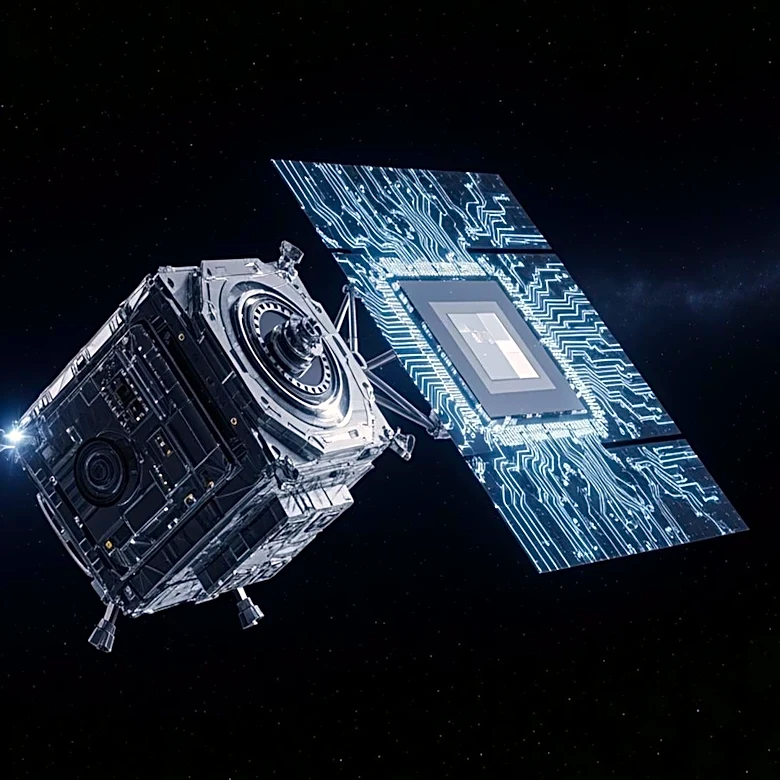
The space industry is undergoing a significant transformation with the adoption of hosted payloads, which allow organizations to place sensors and mission hardware on existing platforms rather than building entire spacecraft. This approach reduces the complexity
and cost of deploying space missions, enabling faster deployment timelines and creating new opportunities for both commercial and government customers. Companies like Kepler Communications are at the forefront, offering hosted payload services combined with optical data relay networks to facilitate more frequent and lower latency data transmission. This model is particularly beneficial for emerging companies that need to generate revenue quickly and for governments looking to enhance their space capabilities without developing every component independently.
Why It's Important?
The shift towards hosted payloads is crucial as it democratizes access to space, allowing smaller companies and nations to participate in space exploration and data collection without the prohibitive costs traditionally associated with these activities. This development could lead to increased innovation and competition in the space industry, as more players can enter the market. Additionally, the ability to process data closer to the source and transmit it more frequently enhances the value of space-based data for applications such as environmental monitoring, national security, and disaster response. The increased availability of real-time data can improve decision-making processes and operational efficiency across various sectors.
What's Next?
As the demand for space-based intelligence and monitoring grows, the expectation for low-latency connectivity is likely to become a standard requirement. This shift will influence procurement strategies in both government and commercial markets, pushing for real-time or near-real-time data access. Companies like Kepler are inviting organizations to submit payload concepts for future missions, indicating a move towards more collaborative and competitive space endeavors. The continued evolution of space infrastructure will likely see further integration of commercial services, similar to the impact of cloud computing on IT infrastructure, allowing mission owners to focus on value creation rather than infrastructure management.