



What's Happening?
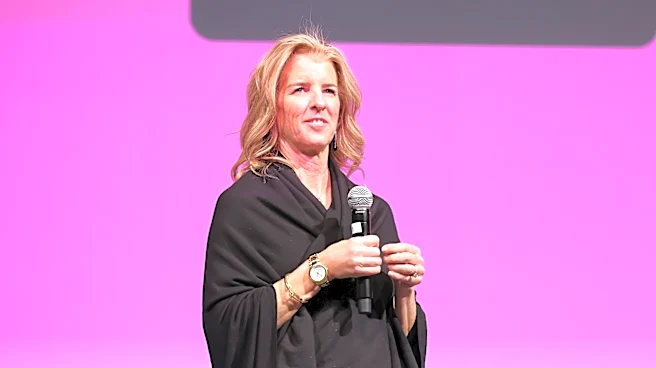
A new Netflix documentary, 'Freefall: A Reckoning for Boeing,' directed by Rory Kennedy, investigates allegations of compromised safety standards and corporate misconduct at Boeing. The film is a follow-up to Kennedy's 2022 documentary, 'Downfall: The Case
Against Boeing,' which examined the fatal crashes of two Boeing 737 MAX planes in 2018 and 2019. 'Freefall' delves deeper into the company's internal culture, featuring whistleblowers who claim Boeing prioritized profits over safety, leading to systemic issues in manufacturing and oversight. The documentary highlights the experience of former Boeing employee John Barnett, who voiced concerns about corner-cutting and quality control. Barnett, a key contributor to the previous documentary, was found dead in his car after a deposition related to his lawsuit against Boeing, a death ruled a suicide by the coroner. The film suggests that despite his death, other whistleblowers have come forward, painting a picture of a company that outsourced manufacturing, disempowered long-time employees, and approved planes with broken or missing parts. Employees in the documentary trace Boeing's decline to the tenure of CEO Jim McNerney, who, starting in 2005, allegedly instituted cost-cutting measures and outsourced production, leading to parts that didn't fit or were damaged.
Why It's Important?
The documentary's allegations are significant for the U.S. aviation industry and public trust in air travel. Boeing, once considered the 'gold standard' for aviation engineering, faces renewed scrutiny over its manufacturing practices and safety protocols. The claims of cost-cutting, outsourcing, and pressure to meet schedules at the expense of safety could have far-reaching implications for the company's reputation, financial performance, and regulatory oversight. If these allegations are substantiated, they could lead to increased regulatory action, more stringent safety inspections, and potential legal repercussions for Boeing. For the flying public, the documentary raises concerns about the integrity of aircraft manufacturing and the safety of commercial flights. The narrative of corporate greed overriding safety measures could erode consumer confidence in Boeing aircraft and potentially impact the broader airline industry. The film also underscores the critical role of whistleblowers in exposing corporate malfeasance and the potential personal risks involved in speaking out against powerful corporations.
What's Next?
The release of 'Freefall: A Reckoning for Boeing' is likely to intensify public and regulatory pressure on Boeing. While Boeing has stated that its standards have risen and that it has addressed or is improving upon past issues, the documentary's claims, particularly those from multiple whistleblowers, could prompt further investigations by aviation authorities and government bodies. The ongoing wrongful death lawsuit against Boeing, despite the settlement of Barnett's individual lawsuit, indicates continued legal challenges for the company. The documentary's focus on the alleged systemic nature of the problems, including the use of discarded parts and pressure to bypass inspections, may lead to calls for more rigorous oversight of Boeing's production facilities and supply chain. Airlines operating Boeing aircraft might also face increased scrutiny regarding their maintenance and safety checks. The film could also encourage more whistleblowers to come forward, potentially revealing additional details about Boeing's manufacturing processes and corporate culture.
Beyond the Headlines
The documentary 'Freefall: A Reckoning for Boeing' touches upon deeper societal and ethical implications beyond immediate aviation safety. It highlights a broader trend of 'enshittification' in industries, where quality and safety are allegedly degraded in pursuit of profit, a phenomenon not unique to aviation. The film raises questions about corporate accountability, the balance between shareholder value and public safety, and the effectiveness of regulatory bodies in overseeing large corporations. The tragic death of John Barnett, ruled a suicide, yet attributed by his lawyers to the immense pressure from his whistleblower role, underscores the personal toll individuals can face when challenging powerful entities. This narrative could spark wider discussions about whistleblower protection laws and corporate ethics. Furthermore, the documentary's portrayal of a company once revered for its engineering excellence now facing accusations of systemic failures could serve as a cautionary tale for other industries, emphasizing the long-term consequences of prioritizing short-term financial gains over foundational principles of quality and safety.