



What's Happening?
The Gates Foundation Trust, which manages the endowment assets for the Gates Foundation, sold 2,240,537 Class B shares of Berkshire Hathaway in the quarter ending September 30, 2026. This sale reduced the trust's Class B share count by 15.3%, leaving
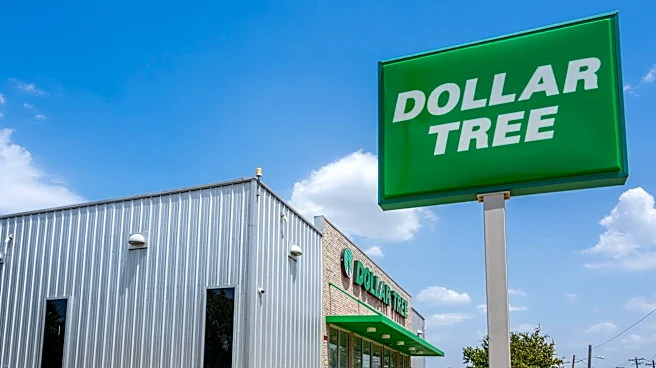
12,449,307 shares. Concurrently, the trust established a new position in Dollar Tree, acquiring 1,361,022 shares valued at approximately $155 million by the end of the quarter. These transactions were disclosed in the trust's 13F filing on November 16, 2026. It is important to note that the Gates Foundation Trust is a separate entity from Bill Gates personally, and its investment decisions are distinct. The trust's holdings did not include any Microsoft shares as of June 30 or September 30, 2026.
Why It's Important?
The divestment from Berkshire Hathaway by the Gates Foundation Trust, a significant philanthropic investment vehicle, could draw attention from institutional investors and market analysts. While the source clarifies that the sale likely reflects the trust's need for cash for grants rather than a judgment on Berkshire's performance, such a move by a prominent trust can still influence market sentiment. The initiation of a substantial position in Dollar Tree suggests a strategic shift or a new investment thesis by the trust's managers, potentially signaling confidence in the discount retail sector. This could lead other investors to examine Dollar Tree's prospects more closely, especially given its reported growth in traffic and share count reduction. The trust's investment decisions are often scrutinized for insights into broader market trends and sector opportunities.
What's Next?
Future 13F filings from the Gates Foundation Trust will be closely watched for further adjustments to its portfolio, particularly regarding its new stake in Dollar Tree and any additional changes to its Berkshire Hathaway holdings. Market observers will also monitor Dollar Tree's performance and any operational announcements that might align with the trust's investment rationale. The trust's ongoing need for liquidity to fund its philanthropic activities means that further portfolio rebalancing is always a possibility. Investors may also look for any commentary from the trust or its representatives, though such detailed explanations for individual trades are rare. The broader implications for the discount retail sector will also be a point of interest, as the trust's investment could be seen as a vote of confidence in the sector's resilience.
Beyond the Headlines
The investment decisions of large philanthropic trusts like the Gates Foundation Trust often reflect a complex interplay of financial strategy and mission-driven objectives. While the immediate interpretation of a stock sale might be a negative outlook on the company, in the context of a foundation, it often signifies the need to generate funds for charitable grants. This highlights the unique investment calculus of such entities, where liquidity for philanthropic endeavors is a primary driver. The move into Dollar Tree could also indicate a belief in consumer resilience and the potential for growth in value-oriented retail, especially during periods of economic uncertainty. This broader perspective underscores how investment decisions by major foundations can offer insights not just into market trends but also into underlying societal and economic conditions that influence their strategic asset allocation.