






What's Happening?
New textile finishing technologies from Switzerland’s Sanitized and Germany’s Rudolf aim to extend the useful life of clothing and technical textiles by tackling persistent odors and declining weather protection. Sanitized has introduced Odorex EON, a biocide-free
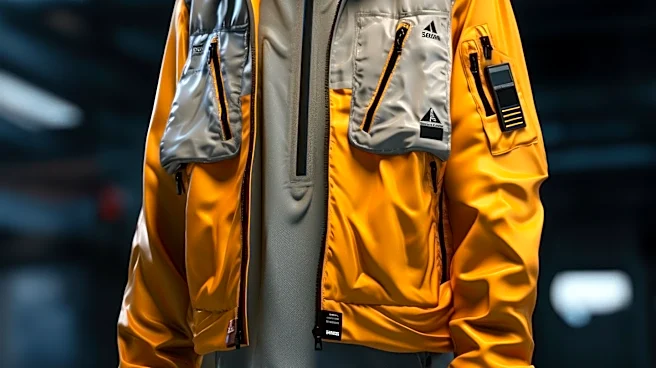
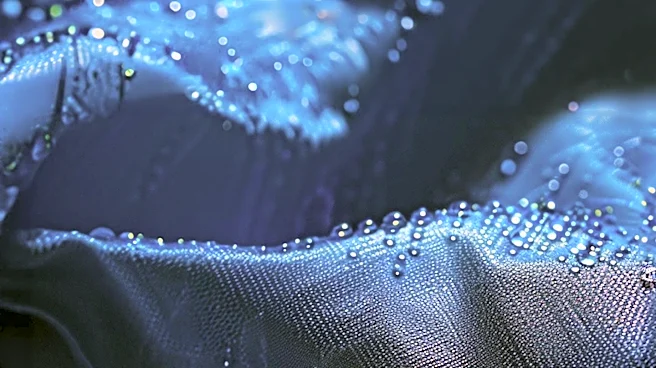
treatment designed to combat the accumulation of body oils and odor-causing residues in performance apparel. This treatment uses a dual-action approach to adsorb and neutralize odor molecules while creating a protective layer that helps release sebum during laundering. Rudolf has launched Ruco-Dry Eco CWS, a water-repellent finish that provides improved resistance to rain and moisture, particularly for cotton fabrics, intended for outdoor clothing and technical applications like tents and umbrellas. Both developments reflect a growing industry interest in finishing technologies that help textiles retain their functional properties for longer, moving beyond initial performance metrics to focus on extended durability.
Why It's Important?
These advancements are important for the U.S. textile and apparel market, as they address key consumer pain points and contribute to sustainability efforts. For performance apparel, the issue of 'permastink' often leads to premature disposal of garments, even if they are otherwise intact. Odorex EON offers a solution that could increase garment longevity, reducing textile waste. Similarly, Ruco-Dry Eco CWS enhances the durability of outdoor gear, which is crucial for consumers who invest in high-performance products. By extending the lifespan of textiles, these technologies support a more circular economy, aligning with growing consumer demand for sustainable products and reducing the environmental footprint of the textile industry. U.S. brands adopting these finishes can gain a competitive edge by offering more durable and functional products.
What's Next?
The introduction of these finishing technologies suggests a trend towards more advanced and specialized textile treatments that prioritize long-term performance and sustainability. Manufacturers of sportswear, outdoor gear, and technical textiles are likely to integrate these innovations into their product lines to meet consumer expectations for durability and eco-friendliness. Further research and development in textile chemistry may focus on creating even more effective and environmentally benign finishes. The industry could also see a shift in marketing strategies, emphasizing the extended lifespan and reduced environmental impact of products treated with such technologies. This could lead to new industry standards for textile durability and performance, influencing how garments and technical fabrics are designed and produced.
Beyond the Headlines
These innovations highlight a broader philosophical shift in the textile industry from a focus on initial product performance to a more holistic view of a product's lifecycle. The emphasis on extending the useful life of textiles challenges the fast-fashion model and encourages more conscious consumption. Ethically, it promotes resource conservation and reduces the burden on landfills. Legally, as regulations around product sustainability and waste reduction become more stringent, these technologies could become essential for compliance. Culturally, there's a growing appreciation for durable goods, and these advancements cater to that shift, potentially fostering a consumer mindset that values longevity and quality over disposability. This could lead to a re-evaluation of what constitutes 'value' in textile products.