


What's Happening?
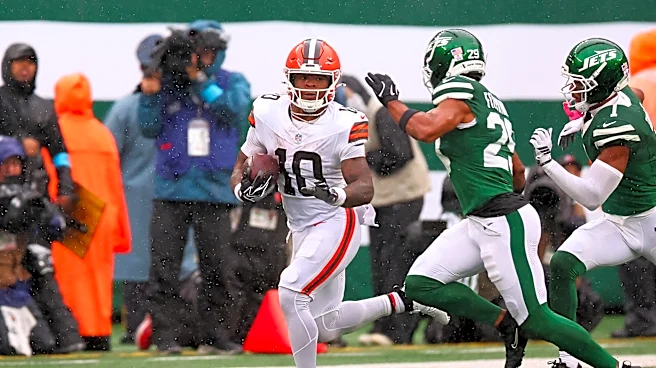
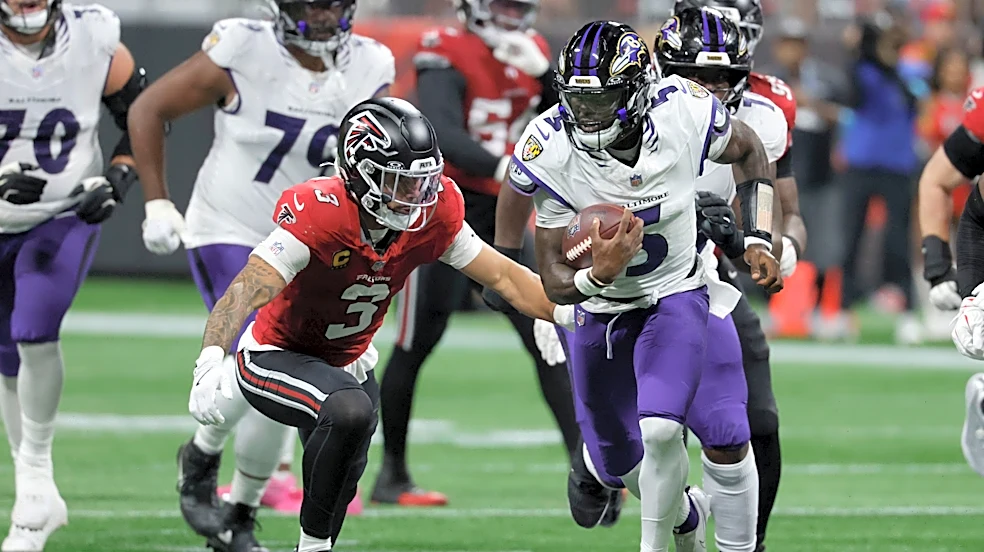
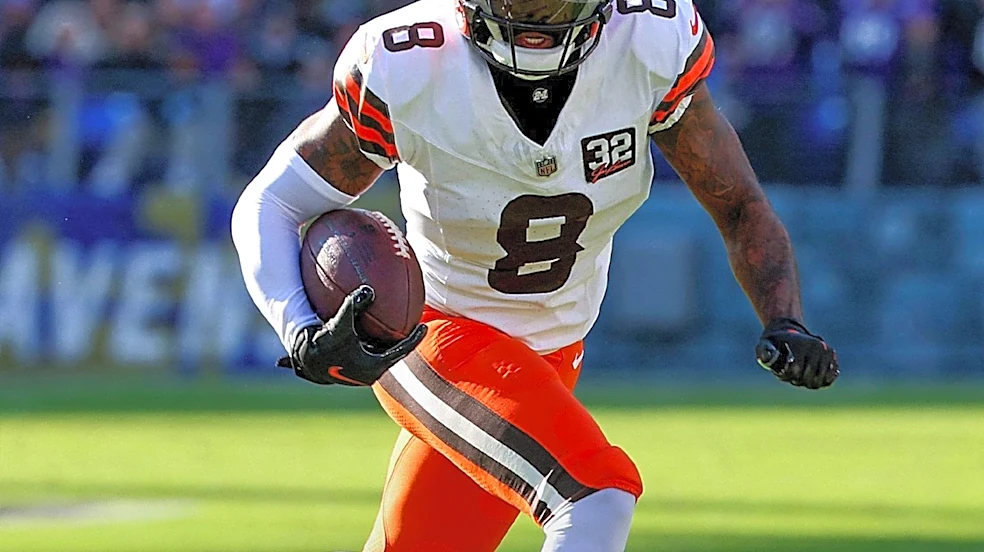
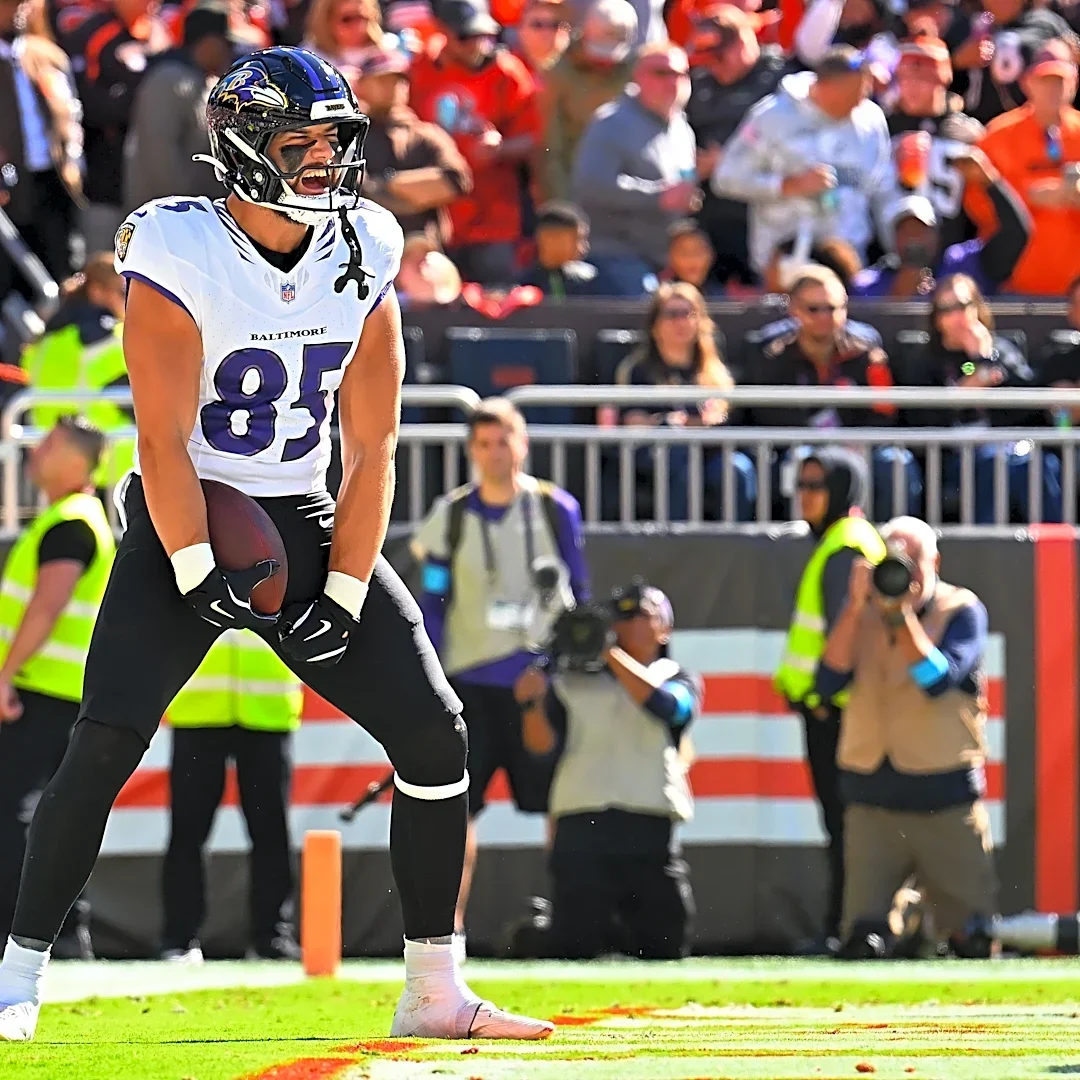
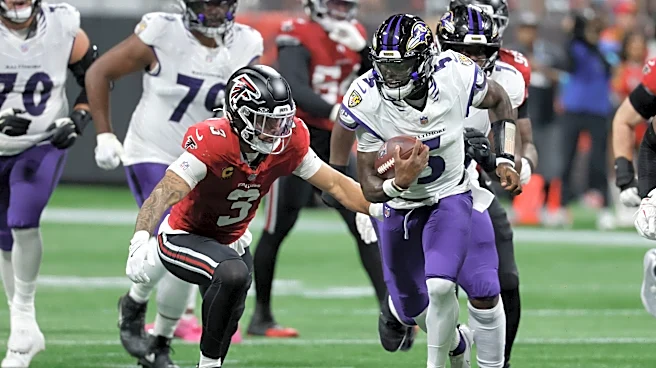
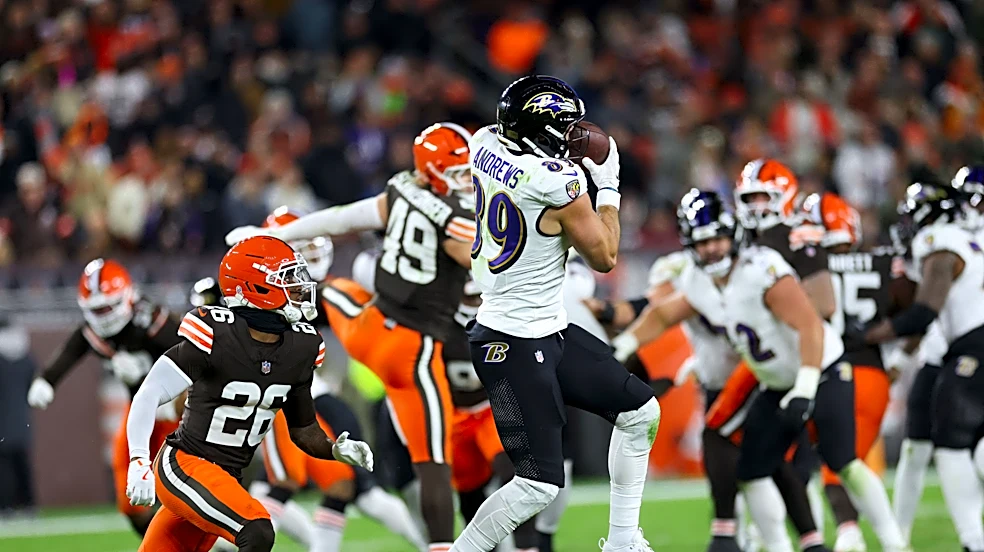
The relocation of the Cleveland Browns to Baltimore in 1995 by then-owner Art Modell fundamentally altered the sports landscape of both cities, creating a lasting rivalry between the new Baltimore Ravens and the re-established Cleveland Browns. Modell,
who had owned the Browns since 1961, grew frustrated with Cleveland city officials over stadium issues, despite the team's on-field success under coach Bill Belichick. After years of stalled negotiations for a new stadium, Modell secretly negotiated with Baltimore, which had lost its NFL team, the Colts, in 1983. The move, dubbed 'The Betrayal' by Cleveland fans, led to a unique settlement: Modell could move his organization to Baltimore, but the Browns' franchise history, titles, and statistics would remain in Cleveland. The team was officially deactivated and later returned as an expansion team in 1999, purchased by Al Lerner, who was a part-owner of the Browns at the time of the move. Modell eventually sold his shares in the Ravens to Steve Bisciotti.
Why It's Important?
This event is significant for several reasons. It exemplifies the complex interplay between professional sports franchises, city governments, and fan bases, particularly concerning stadium financing and team loyalty. The relocation highlighted the power owners wield in deciding a team's fate, often prioritizing financial incentives over historical ties. For Cleveland, it represented a profound loss and a period without an NFL team, fostering deep resentment towards Modell. For Baltimore, it marked the return of NFL football, albeit under controversial circumstances. The unique agreement to leave the Browns' history in Cleveland set a precedent for future franchise relocations, emphasizing the cultural and historical value of a team to its city. The subsequent success of the Ravens, including two Super Bowl titles, contrasted sharply with the struggles of the new Browns, further deepening the narrative of the 'betrayal' and its long-term consequences.
What's Next?
The legacy of the Browns' relocation continues to shape the NFL landscape. The rivalry between the Cleveland Browns and the Baltimore Ravens remains one of the most intense in the league, fueled by the historical context of the move. Future interactions between the two teams will always carry this underlying narrative, influencing fan engagement and media coverage. The precedent set by the agreement to retain the Browns' history in Cleveland could influence how the NFL handles potential franchise relocations in the future, emphasizing the importance of preserving team identity and history within its original city. The ongoing financial dynamics of stadium deals and team ownership will continue to be a critical aspect of professional sports, with the Browns-Ravens saga serving as a cautionary tale and a case study.
Beyond the Headlines
The story of the Browns' relocation extends beyond typical sports headlines, delving into themes of civic identity, corporate loyalty, and the emotional investment of fans. The 'betrayal' in Cleveland illustrates how deeply intertwined a sports team can be with a city's identity and pride, leading to widespread public outcry and lasting animosity. The subsequent success of the Ravens in Baltimore, built on the foundation of the relocated Browns organization, also raises questions about the nature of continuity and legacy in professional sports. It highlights the ethical dilemmas faced by team owners balancing business interests with community ties. The event also underscores the economic impact of professional sports franchises on local economies and the intense competition among cities to host or retain such teams, often leading to significant public investment in stadiums and infrastructure.