



What's Happening?
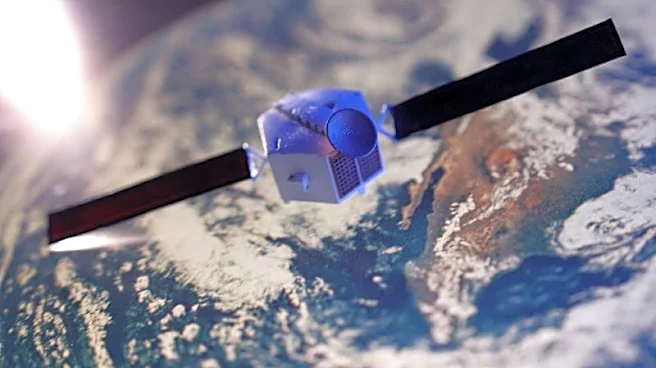
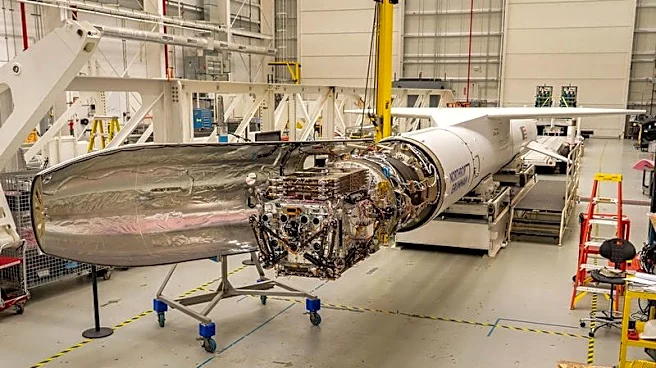
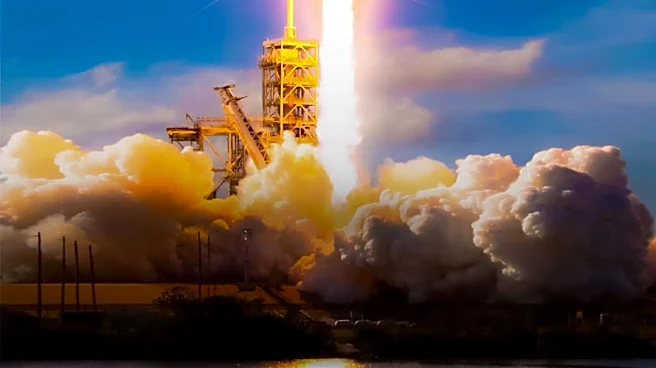
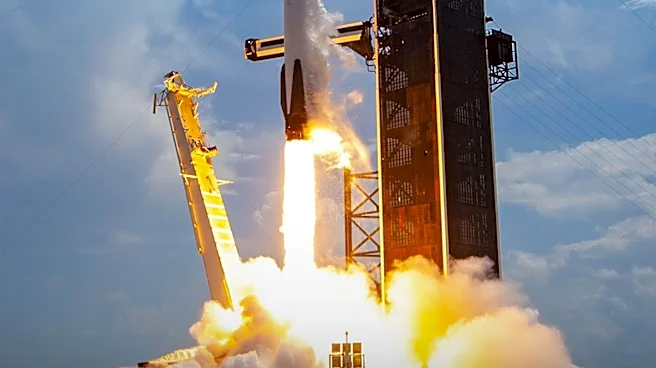
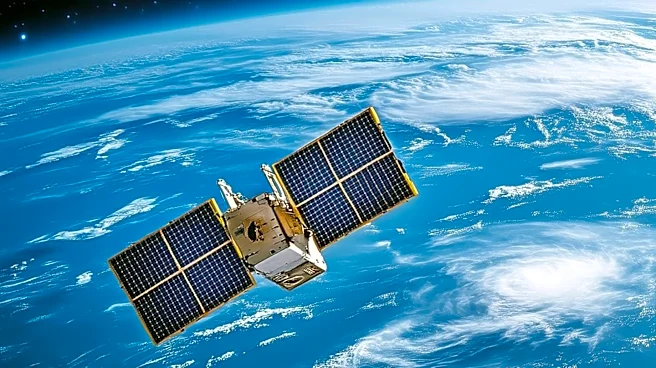
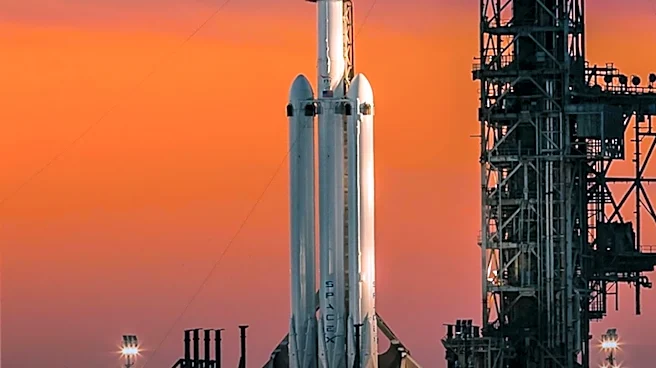
Portal Space Systems has announced a contract with SpaceX for a 2028 Falcon 9 launch of its first Supernova spacecraft. This mission, named Motus Via Sol, will primarily test the Supernova spacecraft, which utilizes solar thermal propulsion for high maneuverability,
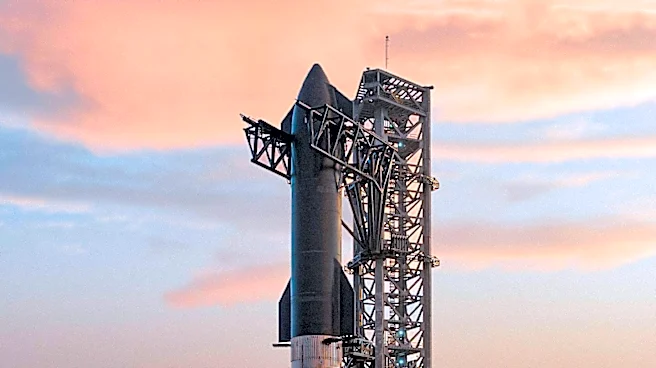
offering up to 6 kilometers per second of delta-v. Portal Space Systems is partnering with Maverick Space Systems, a launch aggregator, to sell excess capacity on this Falcon 9 launch for secondary rideshare payloads. This initiative comes amidst concerns within the satellite industry about a potential scarcity of rideshare opportunities, as SpaceX is reportedly not accepting new reservations for its dedicated rideshare missions beyond late 2028 or early 2029. Portal's CEO, Jeff Thornburg, a former SpaceX engineer who led the development of the Raptor engine, noted that the company itself faced challenges in securing launch opportunities.
Why It's Important?
This development is significant for the U.S. space industry, particularly for small and medium-sized satellite operators. The potential reduction in SpaceX's dedicated rideshare program beyond 2028-2029 could create a bottleneck for companies seeking affordable access to orbit. Portal Space Systems' decision to offer excess capacity on its Falcon 9 launch provides a crucial alternative for these operators, helping to alleviate concerns about launch scarcity and potentially reducing costs for all mission partners. The Supernova spacecraft's high maneuverability also offers an advantage, as it can adjust its orbit post-launch to deploy rideshare payloads at specific destinations, providing greater flexibility than traditional rideshare options. This move highlights the evolving landscape of commercial space, where new players are emerging to fill potential gaps in launch services and offer innovative solutions.
What's Next?
Portal Space Systems will continue to develop and test technologies for its Supernova spacecraft, building on previous successful tests of its Mini-Nova hosted payload. The company's first spacecraft, Starburst-1, is scheduled to launch in October on SpaceX's Bandwagon-5 rideshare mission. For the 2028 Supernova launch, Maverick Space Systems will be responsible for coordinating and integrating the secondary payloads, while Portal manages the overall mission and its direct relationship with SpaceX. This partnership is envisioned as a long-term collaboration, with potential for future rideshare opportunities on subsequent Supernova launches using Falcon 9 or other vehicles. The success of this mission could establish Portal Space Systems as a key provider of launch and in-orbit services, particularly for missions requiring high maneuverability.
Beyond the Headlines
The emergence of companies like Portal Space Systems, founded by former SpaceX engineers, reflects a broader trend of talent and innovation spreading across the U.S. space sector. This 'brain drain' from established giants can foster new ventures that address niche market needs or introduce disruptive technologies. The emphasis on 'sustained maneuver' in space, as highlighted by Portal's CEO, aligns with growing interest from entities like the U.S. military, suggesting a strategic importance for such capabilities beyond commercial applications. This could lead to increased investment and development in advanced propulsion and in-orbit servicing technologies. The dynamic interplay between established launch providers and new entrants offering specialized services is shaping a more diverse and resilient space ecosystem, crucial for maintaining U.S. leadership in space.