








What's Happening?
Bob’s Red Mill has released its first 2025 Sustainability Impact Report, highlighting its commitment to reducing its environmental footprint through ingredient selection and product design. The company is focusing on regenerative agriculture and soil-health
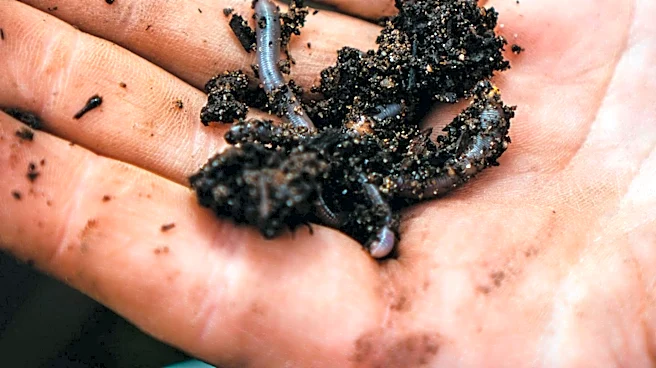
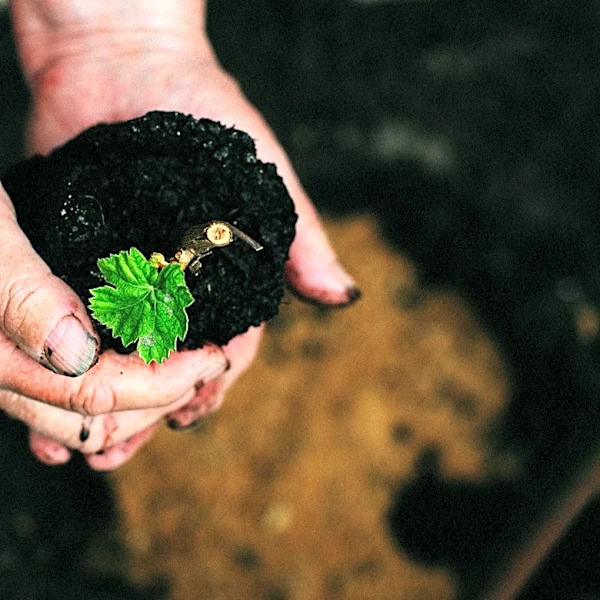
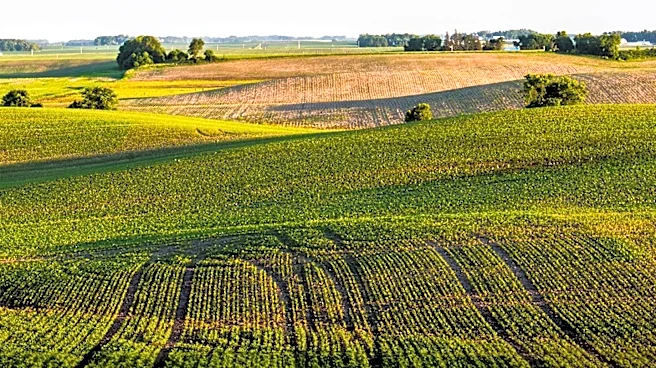
initiatives, alongside efforts to quantify carbon emissions and reduce packaging waste. Regenerative agriculture, which includes practices like no-till farming and composting, is being emphasized as a key strategy. Bob’s Red Mill has partnered with organizations like Zero Foodprint and Sustainable Food Lab to support these initiatives, planning to expand regenerative practices to over 13,000 additional acres by 2026. The company is also working on a multi-year study with its supplier Avena and Field to Market Canada to better understand the relationship between oats and the land.
Why It's Important?
The focus on regenerative agriculture by Bob’s Red Mill reflects a growing trend in the food industry towards sustainability. This approach not only aims to reduce the environmental impact of food production but also supports biodiversity and soil health. By investing in regenerative practices, Bob’s Red Mill is positioning itself as a leader in sustainable food production, which could influence consumer purchasing decisions and industry standards. The company's efforts to measure and reduce carbon emissions are crucial as the food industry faces increasing pressure to decarbonize supply chains. This move could potentially lead to cost savings and improved brand reputation, appealing to environmentally conscious consumers.
What's Next?
Bob’s Red Mill plans to continue expanding its regenerative agriculture practices, with a target of over 13,000 additional acres by 2026. The company will likely monitor the outcomes of its multi-year study on oats to refine its strategies further. As consumer interest in sustainability grows, Bob’s Red Mill may also explore new partnerships and innovations to enhance its sustainability efforts. The company’s focus on organic farming and reducing emissions could set a precedent for other food producers, potentially leading to broader industry shifts towards more sustainable practices.