




What's Happening?
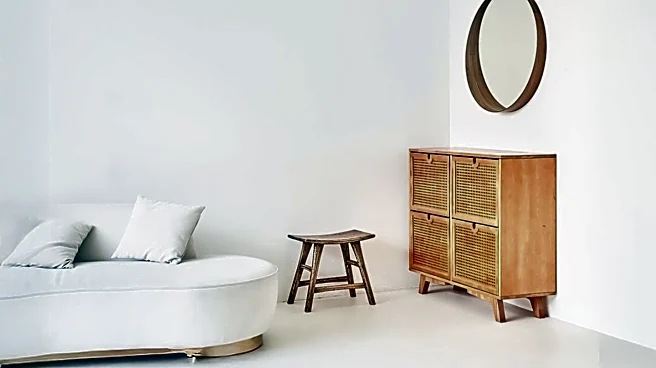
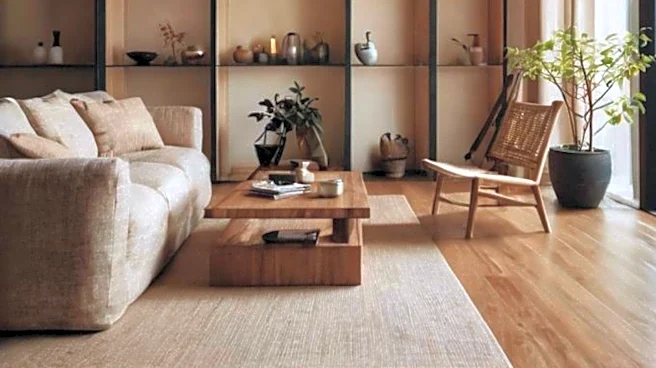
Japandi style is an emerging interior design trend that blends the minimalist aesthetics of Japanese design with the comfortable functionality of Scandinavian style. This fusion results in spaces characterized by gentle curves, low-profile furniture,
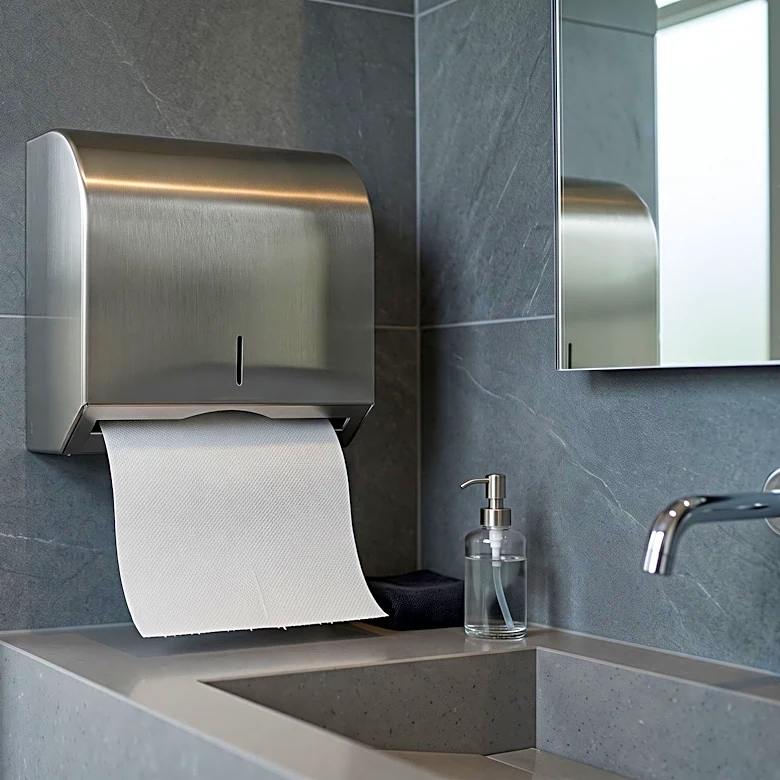
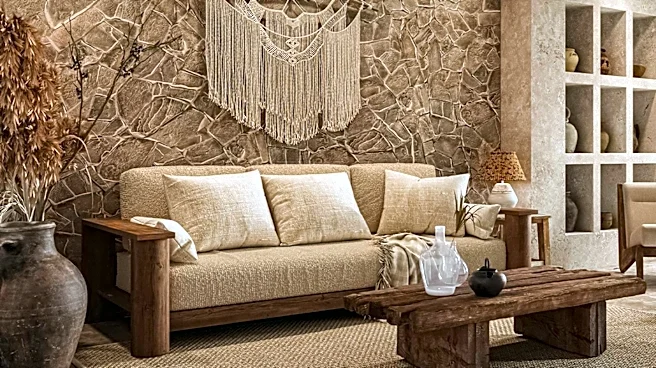
and a strong emphasis on natural materials. Key elements include simple wood furniture, efficient storage solutions, and a restrained color palette. The style aims to create calm, spa-like atmospheres, often incorporating warm natural wood vanities and a sense of uncluttered serenity. It represents a harmonious balance between the refined elegance of Japanese design and the cozy practicality of Scandinavian interiors, focusing on natural light, soft textiles, and an overall sense of tranquility.
Why It's Important?
The rise of Japandi style reflects a broader societal shift towards mindfulness, sustainability, and well-being in home environments. In the U.S., where consumer preferences are increasingly leaning towards eco-conscious and minimalist living, Japandi offers a compelling aesthetic that aligns with these values. This trend can influence the U.S. furniture and home decor industries, potentially leading to increased demand for natural wood products, sustainable materials, and designs that prioritize simplicity and functionality. For consumers, it provides an alternative to more opulent or overly modern styles, offering a sense of calm and order in increasingly busy lives. The emphasis on natural elements and uncluttered spaces can also contribute to improved mental well-being, making it a significant development in lifestyle and interior design.
What's Next?
As Japandi style gains traction, it is likely to become more prevalent in U.S. residential and commercial interior design. We can anticipate an expansion of product lines from furniture manufacturers and home goods retailers to cater to this aesthetic, including more options for low-profile seating, natural wood finishes, and minimalist decor. Interior designers may increasingly incorporate Japandi principles into their projects, offering clients spaces that are both stylish and conducive to relaxation. Educational resources and design publications will likely feature more content on how to achieve the Japandi look, further popularizing the style. The integration of AI tools for interior design, such as those that can furnish empty rooms in a Japandi style, could also accelerate its adoption by making it easier for individuals to visualize and implement this design in their own homes.
Beyond the Headlines
Beyond its aesthetic appeal, Japandi style embodies a deeper philosophical approach to living. It encourages a decluttered lifestyle, promoting the idea that less is more and that quality over quantity is paramount. This aligns with broader movements towards conscious consumption and away from fast-paced, disposable trends. The style's emphasis on natural materials and craftsmanship also highlights a renewed appreciation for traditional techniques and sustainable sourcing. Culturally, it represents a successful cross-pollination of design philosophies, demonstrating how different cultural aesthetics can merge to create something new and universally appealing. This blend could foster greater appreciation for global design influences and encourage a more thoughtful approach to creating living spaces that support both personal well-being and environmental responsibility.