





What's Happening?
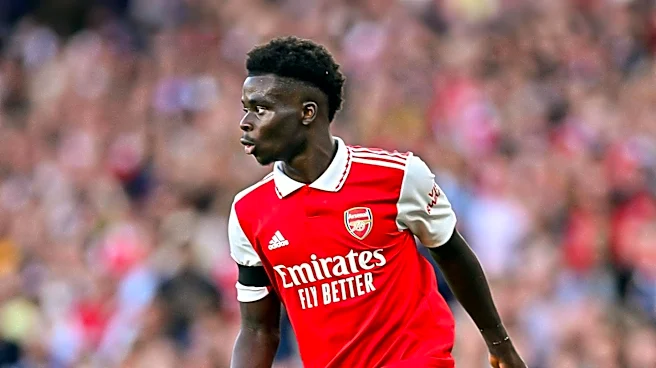
Morgan Schneiderlin, a former teammate of William Saliba at Nice, has suggested that the Arsenal defender might find it difficult to resist a move to Real Madrid in the future. Saliba, a 25-year-old defensive lynchpin for Arsenal, has been linked with
Real Madrid due to his commanding performances. Despite Saliba expressing happiness in North London, Schneiderlin believes that Real Madrid is one of a handful of clubs that players simply cannot turn down. Saliba is currently returning from a serious back injury that affected him during the World Cup, and his availability presents a selection dilemma for Arsenal manager Mikel Arteta.
Why It's Important?
The speculation surrounding William Saliba's potential move to Real Madrid highlights the constant pressure top clubs face to retain their star players, especially when elite European giants express interest. Losing a player of Saliba's caliber would be a significant blow to Arsenal's defensive strength and long-term ambitions. For Real Madrid, acquiring a highly-rated defender like Saliba would further solidify their squad and maintain their competitive edge. This scenario underscores the financial and strategic challenges in the global football transfer market, where player loyalty can be tested by the allure of prestigious clubs and lucrative contracts.
What's Next?
For now, William Saliba's immediate focus is on his return to full fitness and rejoining Arsenal's starting lineup. His availability will provide Mikel Arteta with more defensive options, potentially leading to tactical adjustments. However, the long-term speculation about Real Madrid will likely persist, especially if Saliba continues his impressive form. Arsenal will need to manage this situation carefully, potentially by offering an improved contract to secure his commitment. The coming transfer windows will be crucial in determining whether Real Madrid formalizes their interest and if Saliba's stance on remaining at Arsenal changes.
Beyond the Headlines
The narrative of players being unable to resist the pull of clubs like Real Madrid is a recurring theme in football, reflecting the historical prestige and global appeal of certain institutions. This dynamic often places clubs like Arsenal in a challenging position, as they strive to build and maintain competitive squads against the financial and historical might of European powerhouses. The situation also raises questions about player agency and career aspirations, as players weigh loyalty against the opportunity to play for what are often considered the pinnacle clubs in the sport. It also emphasizes the importance of strategic squad planning and succession for clubs that might face the departure of key players.