





What's Happening?
Ticketmaster, the world's largest ticket seller, experienced a national service disruption on November 20, leaving hundreds of fans unable to access digital tickets and stranded outside events across the U.S. The outage, which reportedly occurred around
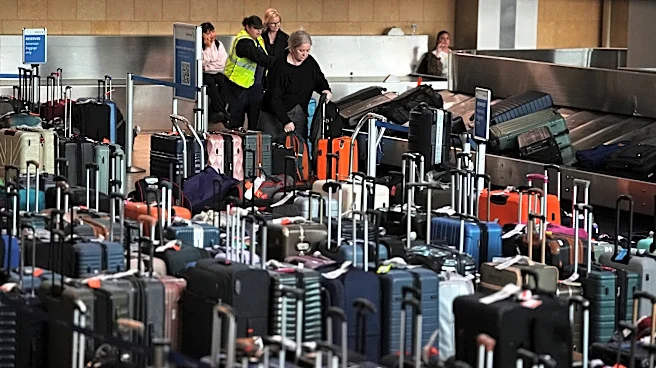
8:30 pm EST, affected events including an Usher and Chris Brown concert in New Orleans at Caesars Superdome. Videos posted online showed confused crowds waiting for details. A similar disruption was reported the previous day in South Dakota, impacting attendees of the state high school volleyball tournament. Users who had transferred their tickets to digital wallets like Apple Wallet or Google Wallet prior to the outage were reportedly able to enter events. Ticketmaster service was restored after approximately 30 minutes, allowing delayed events to proceed. This incident follows weeks of widespread outages affecting various services globally, including Microsoft products, major banking services, and a nationwide ground stop of U.S. airline traffic.
Why It's Important?
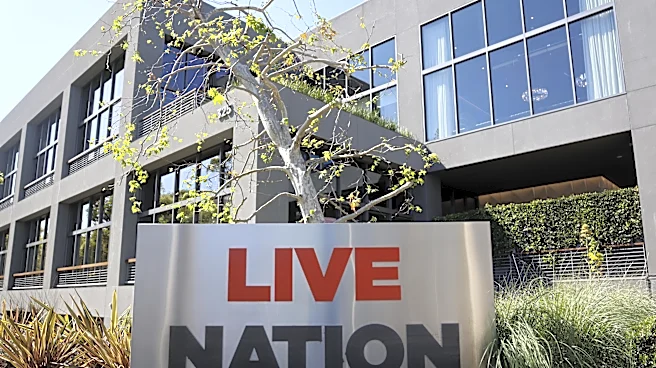
This national service disruption by Ticketmaster highlights the increasing reliance on digital ticketing systems and the vulnerabilities associated with them. For consumers, such outages can lead to significant inconvenience, missed events, and frustration, especially when they have already purchased tickets. The incident underscores the critical need for robust and resilient digital infrastructure in the entertainment industry. For Ticketmaster and its parent company, Live Nation Entertainment, these disruptions can damage brand reputation and customer trust, potentially leading to calls for improved system reliability and contingency plans. The broader context of recent widespread outages across different sectors suggests a growing concern about the stability of digital services that underpin daily life and major industries in the U.S.
What's Next?
Ticketmaster and Live Nation Entertainment are likely to face scrutiny regarding the cause of these consecutive outages and the measures being taken to prevent future occurrences. While service was restored relatively quickly in these instances, the recurring nature of such disruptions across various digital platforms could prompt a reevaluation of digital ticketing strategies and backup systems. Consumers may increasingly consider transferring tickets to digital wallets as a precautionary measure. The incident could also fuel discussions about the market dominance of Ticketmaster and the potential for increased competition or regulatory oversight to ensure service reliability in the ticketing industry, especially given its role in selling over 500 million tickets annually across numerous countries.
Beyond the Headlines
The Ticketmaster outage, alongside other recent widespread service disruptions, points to a broader societal and economic vulnerability tied to digital infrastructure. As more aspects of daily life, from entertainment to banking and travel, become digitized, the impact of system failures grows exponentially. This trend raises questions about the resilience of critical digital services and the potential for cascading effects when one system fails. It also highlights the ethical responsibility of large corporations to ensure uninterrupted access to services for which consumers have paid. The incident could contribute to a larger conversation about digital equity and access, as those without immediate access to alternative solutions or digital wallets are disproportionately affected during such outages.