


What's Happening?
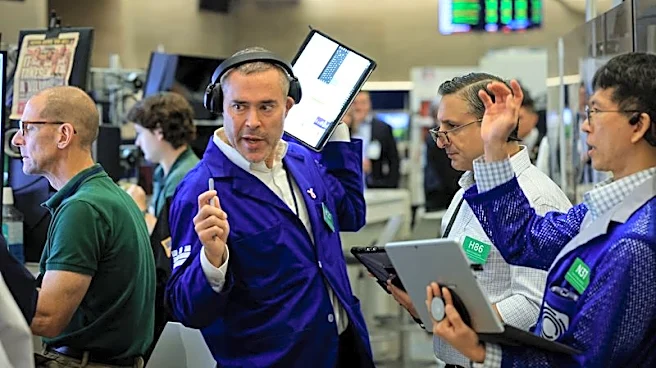
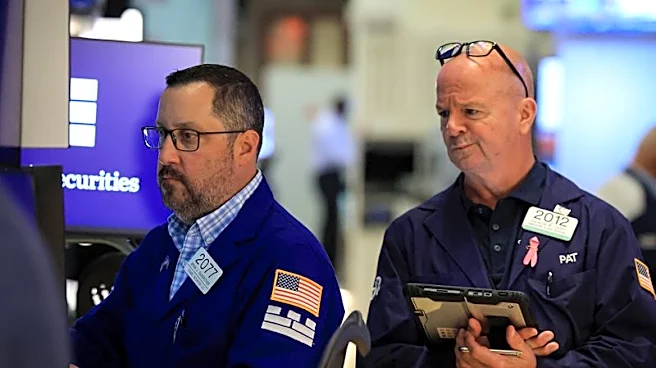
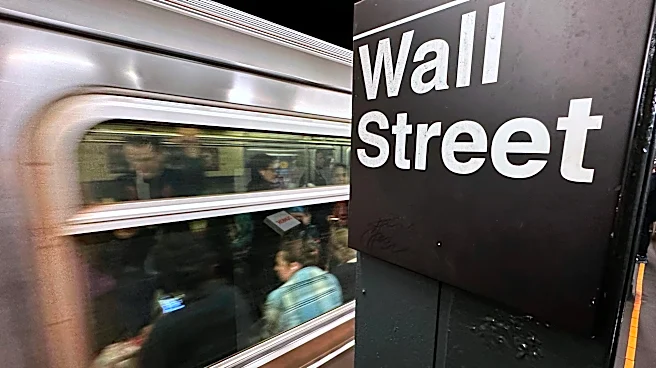
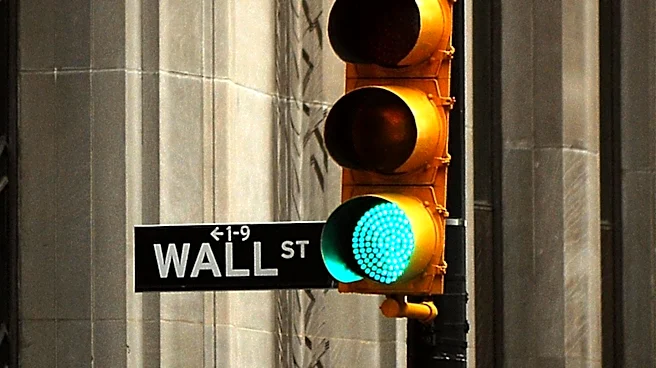
The U.S. stock market experienced significant volatility, with the Dow Industrials suffering its deepest drop of the year, falling by 2.19%. This decline is attributed to rising inflation fears and increasing bond rates, particularly the 30-year Treasury
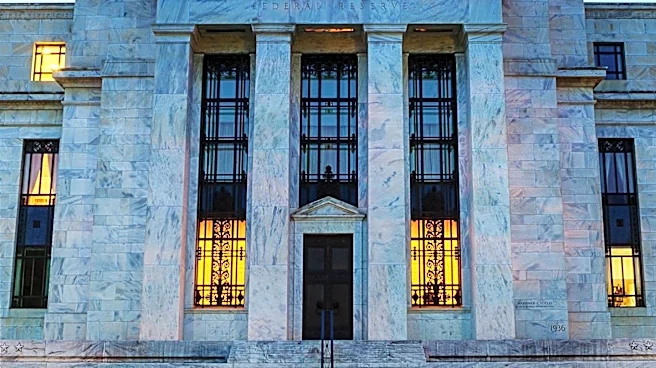
yield, which has reached its highest level since 2007 at 5.21%. Other major indices, including the S&P 500 and Nasdaq Composite, also saw declines. The market's reaction is influenced by comments from Jeffrey Gundlach of DoubleLine, who noted that the Federal Reserve may need to hike rates to achieve its 2% inflation target, a process he believes could take years.
Why It's Important?
The current market volatility underscores the challenges faced by investors amid inflationary pressures and rising interest rates. As bond yields increase, borrowing costs for businesses and consumers are likely to rise, potentially slowing economic growth. This environment may lead to shifts in investment strategies, with investors seeking safer assets or adjusting portfolios to mitigate risks. The Federal Reserve's actions and comments from influential figures like Gundlach play a crucial role in shaping market expectations and investor confidence.
What's Next?
Investors will closely monitor upcoming economic indicators, such as jobless claims and GDP data, which could provide further insights into the economic outlook. The Federal Reserve's future rate decisions will be pivotal in determining market trends. Additionally, earnings reports from major companies like Amazon and Apple may influence stock movements. As inflation concerns persist, market participants will need to adapt strategies to navigate potential uncertainties and capitalize on emerging opportunities.