





What's Happening?
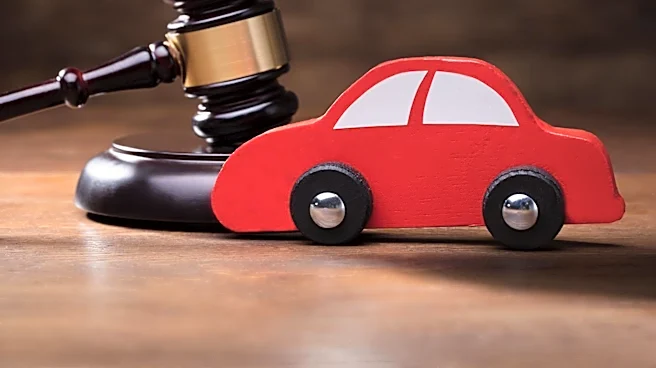
Hunton Andrews Kurth LLP, a law firm specializing in complex legal matters including business law and litigation, is actively involved in defending companies against class action lawsuits concerning microplastics in products. The firm, with offices in Washington,
DC, and Los Angeles, CA, has seen courts dismiss several such lawsuits. These dismissals often occur when plaintiffs fail to provide specific evidence, such as the exact levels at which microplastics become unsafe or the actual microplastic content in the defendant's products. For instance, in cases like *Miller, et al. v. Handi-Craft Company, Inc.* and *Daly v. The Wonderful Company*, courts rejected claims where plaintiffs relied on generalized studies rather than product-specific testing. The firm's product liability attorneys, such as Gray Moeller, are at the forefront of these legal battles, emphasizing the need for concrete evidence in microplastics litigation.
Why It's Important?
The ongoing legal challenges and subsequent court dismissals of microplastics lawsuits have significant implications for U.S. businesses, particularly those in manufacturing and consumer goods. The legal precedent set by these dismissals underscores the importance of scientific rigor and specific evidence in product liability claims. Companies facing similar lawsuits may find a stronger defense if plaintiffs cannot demonstrate unsafe levels of microplastics in their specific products. This trend could deter future 'shotgun' litigation based on generalized assertions, potentially saving businesses substantial legal costs and reputational damage. Conversely, consumer advocacy groups and plaintiffs' attorneys will need to adapt their strategies, focusing on more thorough product testing and scientific data to substantiate their claims, which could lead to more targeted and potentially more impactful lawsuits in the future. The outcome of these cases will shape how product safety and environmental concerns are litigated in the U.S.
What's Next?
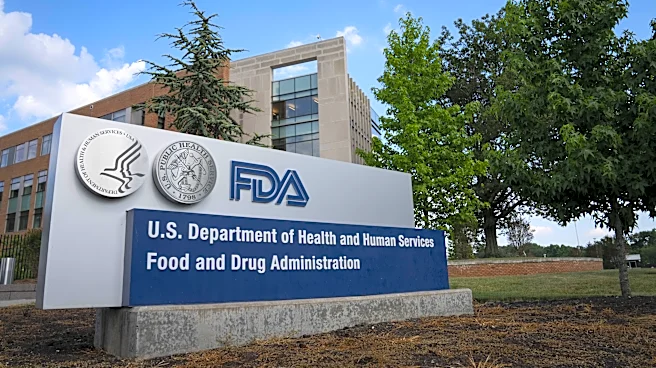
As microplastics litigation continues to evolve, courts are expected to maintain a strict stance on the evidentiary requirements for plaintiffs. This means that future lawsuits will likely need to include comprehensive product testing and specific data on microplastic levels and their health impacts to proceed. Businesses, in turn, may increase their investment in product testing and transparency regarding material composition to preemptively address potential legal challenges. The legal community, including firms like Hunton Andrews Kurth LLP, will continue to monitor scientific developments and regulatory guidance from bodies like the FDA, which currently states that scientific evidence does not demonstrate microplastics in food pose a risk to human health. This ongoing interplay between scientific understanding, regulatory positions, and legal precedent will define the future landscape of microplastics litigation in the U.S.
Beyond the Headlines
The legal battles surrounding microplastics extend beyond immediate product liability, touching upon broader ethical and societal implications. The debate highlights the tension between consumer protection and the burden of proof in scientific uncertainty. While courts demand specific evidence, the long-term health and environmental impacts of microplastics are still being researched, raising questions about precautionary principles in product development and regulation. The dismissals, while legally sound based on current evidence, do not negate public concern about microplastics. This situation could spur greater corporate responsibility in researching and mitigating microplastic contamination, even in the absence of definitive regulatory mandates. It also underscores the need for clearer scientific consensus and potentially more robust regulatory frameworks to address emerging environmental and health concerns, influencing public trust and corporate practices in the long run.