









What's Happening?
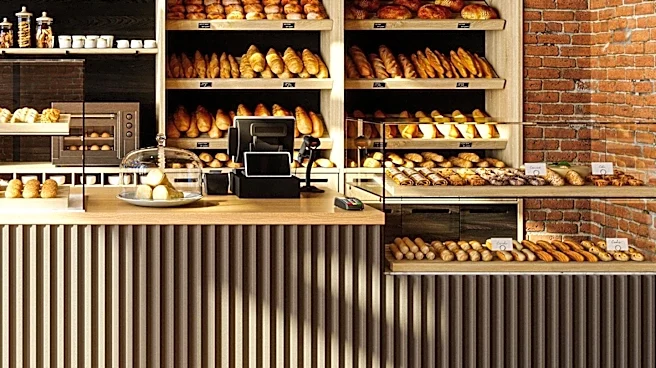
Effective bakery floor plan design is essential for optimizing both customer-facing areas and kitchen operations, according to WebstaurantStore. A well-structured floor plan integrates elements such as entrances, display cases, service counters, seating,
and checkout stations to guide customer flow and enhance product visibility. Simultaneously, the kitchen layout must account for production equipment, ingredient storage, warewashing, receiving, and employee work areas. The goal is to ensure a seamless transition of finished products from the kitchen to the sales floor, preventing bottlenecks and maximizing efficiency. Different types of floor plans, including straight, angular, diagonal, and mixed layouts, offer distinct advantages depending on the bakery's size, service style, menu, and available space. For instance, a straight floor plan is often efficient for small businesses, while an angular layout can provide a more sophisticated presentation for specialty bakeries. The coordination between the front-of-house and back-of-house layouts is critical for overall operational success and customer satisfaction.
Why It's Important?
The strategic design of bakery floor plans holds significant importance for U.S. businesses in the food service industry, directly impacting profitability, customer retention, and operational costs. An optimized layout can enhance the customer experience by creating clear pathways, improving product exposure, and reducing wait times, which can lead to increased sales and repeat business. For employees, an efficient kitchen layout minimizes unnecessary movement, reduces the risk of accidents, and boosts productivity, thereby lowering labor costs and improving staff morale. Conversely, a poorly designed floor plan can result in customer frustration, operational inefficiencies, and higher overheads due to wasted space or increased labor. Businesses that invest in thoughtful floor plan design stand to gain a competitive edge by offering a superior customer experience and achieving greater operational fluidity, ultimately contributing to their long-term success in a competitive market.
What's Next?
As the U.S. food service industry continues to evolve, bakeries are likely to increasingly leverage advanced tools and expert consultations for floor plan design. The adoption of bakery floor plan software, which offers features like accurate measurements, 2D and 3D visualizations, and extensive equipment libraries, is expected to become more widespread. This technology allows operators to test various configurations virtually, identify potential issues, and make informed decisions before committing to costly physical changes or construction. Furthermore, there will be a continued emphasis on integrating health department codes and sanitation standards into the initial design phase to avoid future modifications and ensure compliance. Stakeholders, including bakery owners, architects, and equipment suppliers, will need to collaborate closely to create adaptable and efficient spaces that can accommodate changing consumer preferences and operational demands, ensuring that new and remodeled bakeries are built for both aesthetic appeal and functional excellence.
Beyond the Headlines
Beyond the immediate operational benefits, the design of a bakery's floor plan subtly influences its brand identity and cultural resonance within its community. A thoughtfully designed space can foster a welcoming atmosphere, encouraging customers to linger, socialize, and develop a deeper connection with the establishment. This goes beyond mere transaction, transforming the bakery into a community hub. The choice of layout, materials, and flow can reflect the bakery's values, whether it emphasizes artisanal craftsmanship, speed and convenience, or a cozy, communal experience. For instance, a layout that encourages browsing and interaction might cultivate a sense of discovery, while one focused on quick service caters to a fast-paced urban lifestyle. This deeper connection can build customer loyalty and word-of-mouth referrals, contributing to the bakery's long-term viability and its role as a cherished local institution, impacting local economies and community well-being.