



What's Happening?
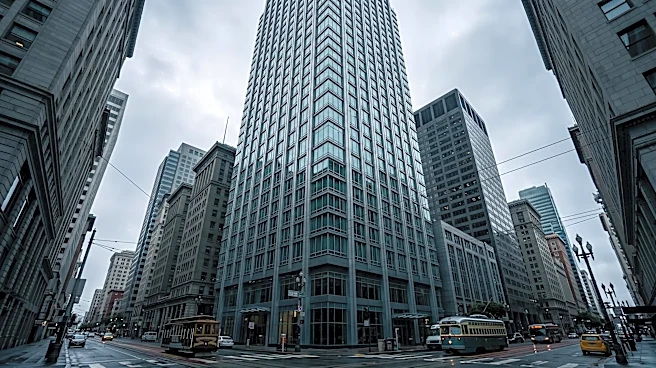
Park Hotels & Resorts, a publicly traded U.S. lodging real estate investment trust, ceased payments on a $725 million loan secured by the Hilton San Francisco Union Square and Parc 55 hotels in June 2023. These two properties collectively comprise 2,945
rooms. The decision was driven by the company's assessment that the San Francisco market's recovery was 'clouded and elongated,' primarily due to persistent office vacancies, a slow return to office work, and a disappointing convention calendar. The mortgage was non-recourse, meaning the hotels themselves served as collateral, allowing Park Hotels & Resorts to walk away from the debt without further liability beyond the loss of the assets. The hotels subsequently entered receivership in October 2023, and Park recorded an approximately $202 million impairment related to one of the properties. This move highlights the challenges faced by large convention hotels in urban centers struggling with post-pandemic shifts in business and travel patterns.
Why It's Important?
This action by Park Hotels & Resorts underscores the significant financial pressures impacting the U.S. hospitality sector, particularly in major urban markets. The decision to default on a substantial loan for nearly 3,000 hotel rooms in a prominent city like San Francisco signals a broader concern about the long-term viability of certain commercial real estate assets. It demonstrates how shifts in work culture, such as remote work and reduced business travel, can directly affect the profitability and asset value of large hotel properties. For investors, this event highlights the risks associated with commercial real estate investment trusts (REITs) and the importance of market-specific demand assumptions. It also illustrates the strategic decisions hotel owners must make regarding capital allocation, renovation, and divestment in a dynamic economic environment, impacting employment, local tax revenues, and the overall urban economic landscape.
What's Next?
The two San Francisco hotels, Hilton San Francisco Union Square and Parc 55, are currently in receivership following Park Hotels & Resorts' default. The future of these properties will likely involve a process of restructuring, potential sale, or new ownership, which could lead to changes in management, operations, and staffing. Other hotel owners and real estate investors will closely monitor the outcome of this situation, potentially influencing their own investment and divestment strategies in urban markets. Park Hotels & Resorts will continue to focus on its remaining portfolio, making strategic decisions on renovations, asset sales, and capital expenditures to maximize returns. The broader U.S. hospitality industry will continue to adapt to evolving travel patterns and economic conditions, with a potential re-evaluation of large-scale urban hotel investments versus resort or leisure-focused properties.
Beyond the Headlines
The decision by Park Hotels & Resorts to abandon these San Francisco properties reflects a deeper re-evaluation of urban commercial real estate values in the post-pandemic era. It challenges the traditional investment thesis for large convention hotels, which heavily relied on consistent business travel and large-scale events. This event could accelerate a trend of repositioning or repurposing underperforming urban hotel assets. It also raises questions about the long-term economic health of downtown areas in major U.S. cities, as reduced office occupancy and convention activity have ripple effects on local businesses, transportation, and municipal finances. The non-recourse nature of the loan highlights a specific financial instrument that allows owners to limit their exposure, but at the cost of relinquishing assets, potentially leading to more such strategic defaults if market conditions do not improve for other struggling properties.