








What's Happening?
General Atomics Aeronautical Systems Inc. (GA-ASI) is making strides in developing a small uncrewed aircraft system (UAS) capable of aerial launch and recovery. This initiative follows the company's previous involvement in DARPA's Gremlins project, which
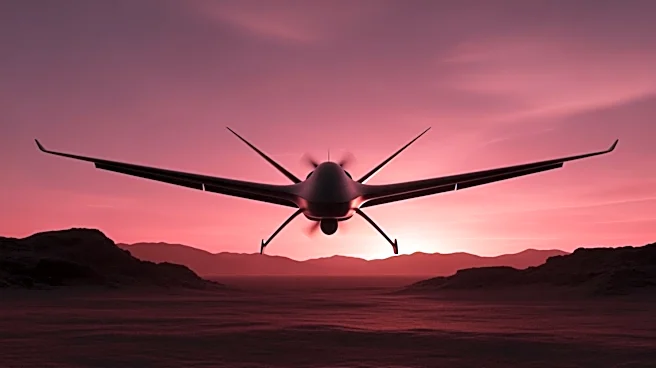
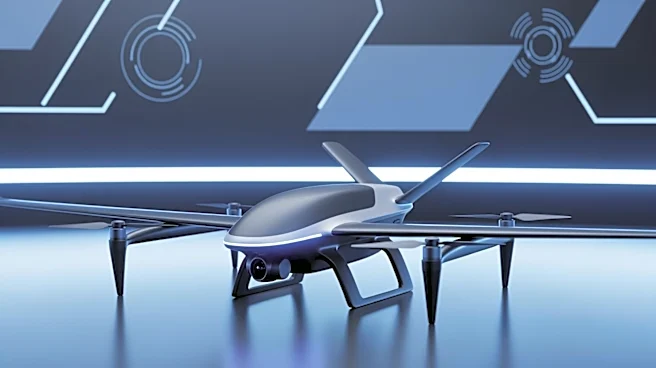
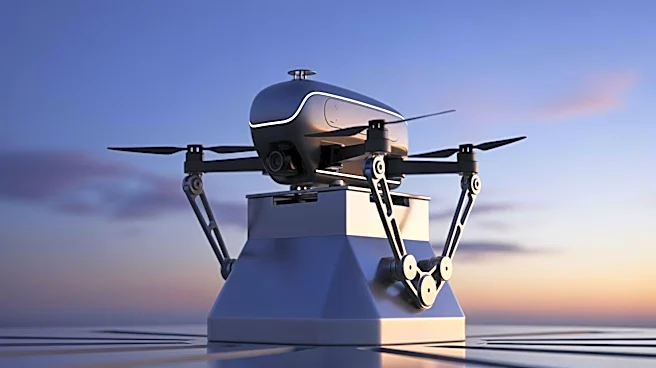
demonstrated air recovery of an uncrewed aircraft in 2021. GA-ASI's current focus is on the Sparrowhawk, a Group 3 UAS designed for air launch from and recovery to a pylon under the MQ-9's wing. The Sparrowhawk, weighing 500 pounds and equipped with hybrid-electric ducted-fan propulsion, can fly for over five hours at altitudes up to 25,000 feet. The development aims to extend the operational reach of medium-altitude, long-endurance uncrewed aircraft by enabling reusable missions, thus reducing costs and allowing for more sophisticated payloads.
Why It's Important?
The advancement of aerial launch and recovery technology for small UASs has significant implications for military operations and defense strategies. By enabling the reuse of drones, the technology could lower operational costs and allow for the deployment of more advanced payloads without the risk of loss. This capability is particularly relevant for the U.S. military, which relies on drones for surveillance, reconnaissance, and electronic warfare. The ability to recover and reuse drones could enhance mission flexibility and efficiency, providing a strategic advantage. However, despite the technological progress, there is limited financial investment from defense customers, indicating a cautious approach towards adopting this capability.
What's Next?
GA-ASI plans to continue developing the Sparrowhawk's air-recovery capability through internal investments, despite the lack of substantial external funding. The company aims to incrementally reduce risks and increase the technology readiness level. Future steps include completing the full loop of air launch and recovery, which involves further testing and validation. The success of these efforts could potentially attract more interest and investment from defense stakeholders, leading to operational deployment. The ongoing development will likely focus on refining the technology to meet specific mission requirements and demonstrating its practical benefits to potential customers.