






What's Happening?
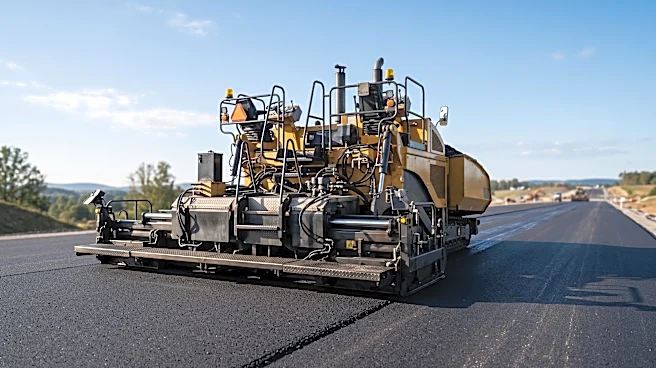
BOMAG has launched a new line of highway pavers equipped with advanced operating systems designed to significantly enhance road construction efficiency for contractors in 2026. These new pavers feature automated grade control and real-time data analytics,
aiming to streamline workflows, reduce operational costs, and improve overall project timelines. The machines are engineered to manage material more effectively and optimize paving processes, allowing contractors to make on-the-fly adjustments to keep projects on schedule and within budget. A key feature is the real-time feedback on material usage and machine performance, which enables data-driven decisions, minimizes waste, and maximizes efficiency. These advancements are part of a broader trend in road construction technology, emphasizing automation and data analytics to meet the increasing demands of modern infrastructure projects.
Why It's Important?
The introduction of BOMAG's new highway pavers is crucial for the U.S. road construction industry, which constantly seeks to improve efficiency and reduce costs. The integration of automated grade control and real-time analytics can lead to higher precision in paving, resulting in smoother, more durable roads. This not only benefits the public through improved infrastructure but also offers significant advantages to contractors by reducing labor costs, material waste, and project delays. The ability to make informed decisions quickly based on real-time data can prevent costly errors and ensure projects adhere to strict timelines and budgets. For developers, faster project completion means less disruption in urban areas and enhanced reputation. Suppliers of high-quality materials also stand to benefit from increased demand as contractors seek materials that meet the specifications of these advanced machines, fostering tighter partnerships within the industry.
What's Next?
As these advanced highway pavers become more widely adopted in 2026, the road construction industry can expect a shift towards more data-driven and automated processes. Contractors will need to invest in training their workforce to operate these sophisticated machines and interpret the real-time data they provide. The interoperability of BOMAG pavers with various construction management software will likely lead to smoother project management and communication among all stakeholders, including developers and suppliers. Furthermore, the focus on fuel efficiency in these new pavers aligns with the growing emphasis on sustainability in construction, suggesting that contractors who adopt this technology will not only improve operational efficiency but also contribute to reducing carbon footprints. This dual benefit is expected to resonate well with clients who prioritize environmental considerations in their projects.
Beyond the Headlines
The advancements in BOMAG's highway pavers signify a deeper transformation within the construction sector, moving towards an era where technology and data play a central role. This shift is not merely about upgrading equipment but about fundamentally changing how road construction projects are planned, executed, and managed. The emphasis on real-time analytics and automated control points to a future where human intervention is optimized for oversight and strategic decision-making, rather than manual operation. This could lead to a redefinition of skill sets required in the construction workforce, with a greater demand for technical proficiency and data interpretation. Moreover, the push for fuel efficiency and sustainability reflects a growing societal and regulatory pressure on industries to minimize their environmental impact, positioning such technological innovations as critical for long-term viability and competitiveness.