


What's Happening?
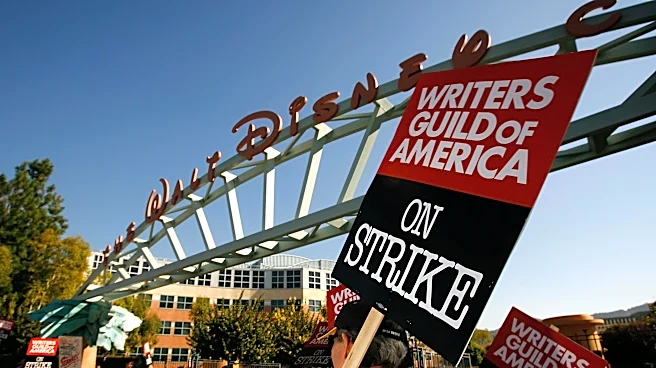
Content producers for Major League Baseball Advanced Media (MLB Advanced Media), the entity responsible for the league's official website and app, have voted to join the Writers Guild of America East (WGA East). This marks the first instance of workers
from a professional sports league forming a WGA bargaining unit. The American Arbitration Association oversaw the election after a majority of the 127 employees signed union cards. The WGA East expressed enthusiasm for welcoming more sports industry workers into the labor movement, anticipating negotiations for a fair first union contract with MLB. MLB stated its cooperation in identifying the appropriate bargaining unit and respecting employees' rights to unionize, looking forward to working with WGAE. The specific workplace issues that prompted the organizing effort were not disclosed. This unit creates digital content for MLB in English, Spanish, and Japanese. This development occurs amidst ongoing, contentious contract negotiations between baseball executives and big league players, with the collective bargaining agreement set to expire on December 1, potentially leading to a player lockout if no deal is reached.
Why It's Important?
This unionization effort by MLB content producers signifies a notable expansion of labor organizing within the professional sports industry, potentially setting a precedent for other sports leagues. The WGA East's successful inclusion of these digital content creators could inspire similar movements among employees in other sports organizations who produce digital media, affecting how content is created and compensated across the industry. For MLB, it introduces a new layer of labor relations beyond player contracts, requiring the league to negotiate with another union regarding its digital operations. This could influence operational costs, content production timelines, and overall digital strategy. The timing is particularly sensitive, as MLB is already grappling with significant labor disputes concerning player contracts and a proposed salary cap, which could impact the league's financial stability and public image. The unionization highlights a growing recognition of the value and labor rights of digital content creators in sports, shifting the landscape of employment within the industry.
What's Next?
The immediate next step will involve the WGA East and MLB Advanced Media entering into collective bargaining negotiations to establish the first union contract for the content producers. These negotiations will likely address various workplace matters, including wages, benefits, working conditions, and job security. The outcome of these discussions could serve as a blueprint for future unionization efforts in other sports leagues' digital departments. Concurrently, the broader labor landscape in baseball remains tense with the impending expiration of the collective bargaining agreement between MLB and its players. The resolution of player contract negotiations, which could lead to a lockout, will undoubtedly influence the overall atmosphere of labor relations within the league. Stakeholders, including other sports organizations and labor unions, will closely monitor both sets of negotiations for their implications on the future of sports media and labor rights.
Beyond the Headlines
This unionization reflects a broader trend of labor organizing in industries traditionally less unionized, particularly in digital media and content creation. It underscores the evolving definition of 'labor' in the digital age, where creators of online content are increasingly seeking collective representation to secure better working conditions and fair compensation. The move also highlights the growing importance of digital platforms in sports, as content producers for MLB's website and app are now recognized as a distinct and organized labor force. This could lead to a re-evaluation of how intellectual property and creative contributions are valued within sports organizations. Furthermore, it may prompt a deeper discussion about the economic models of professional sports leagues, which rely heavily on both on-field talent and off-field content to engage fans and generate revenue. The success of this union could empower other non-player personnel in sports to pursue similar collective action, potentially reshaping the power dynamics within the entire sports ecosystem.